Paperboard is a type of thin, smooth, and compact cardboard, made from recycled or virgin paper fibers and without a corrugated structure. It is mainly used in food, pharmaceutical, cosmetic packaging, and gift boxes. Unlike corrugated cardboard, paperboard does not have internal corrugations: it is a flat and smooth sheet, similar to a thick cardstock.
What is paperboard?

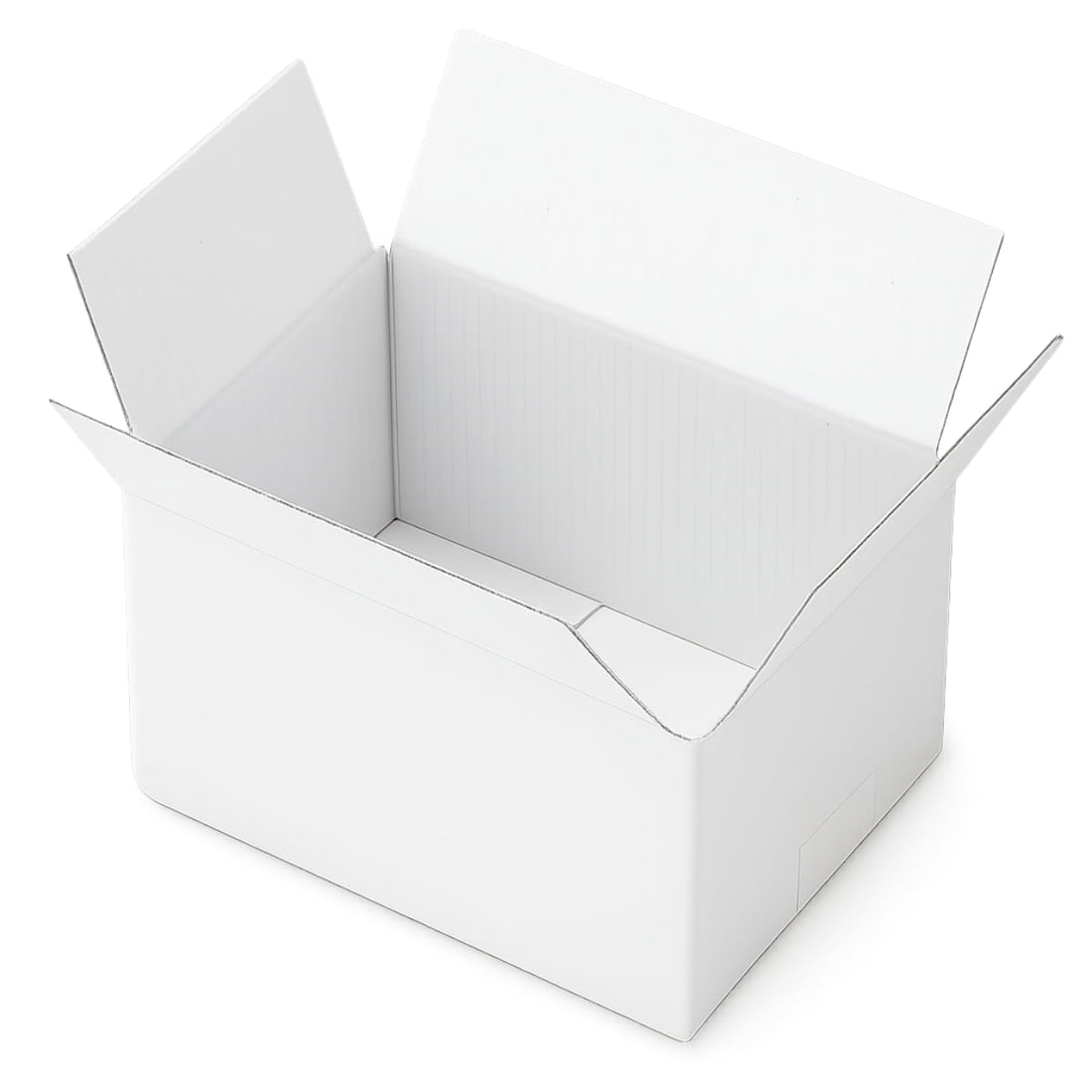
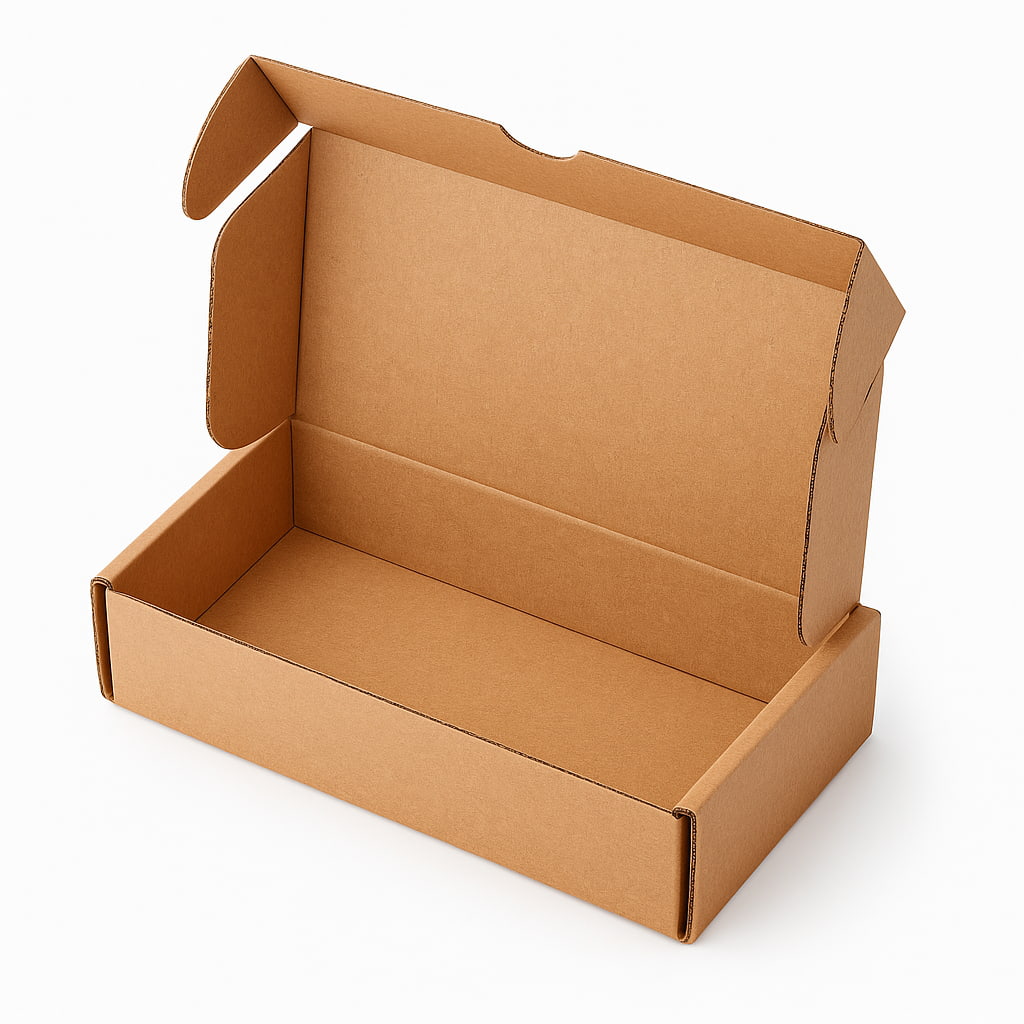
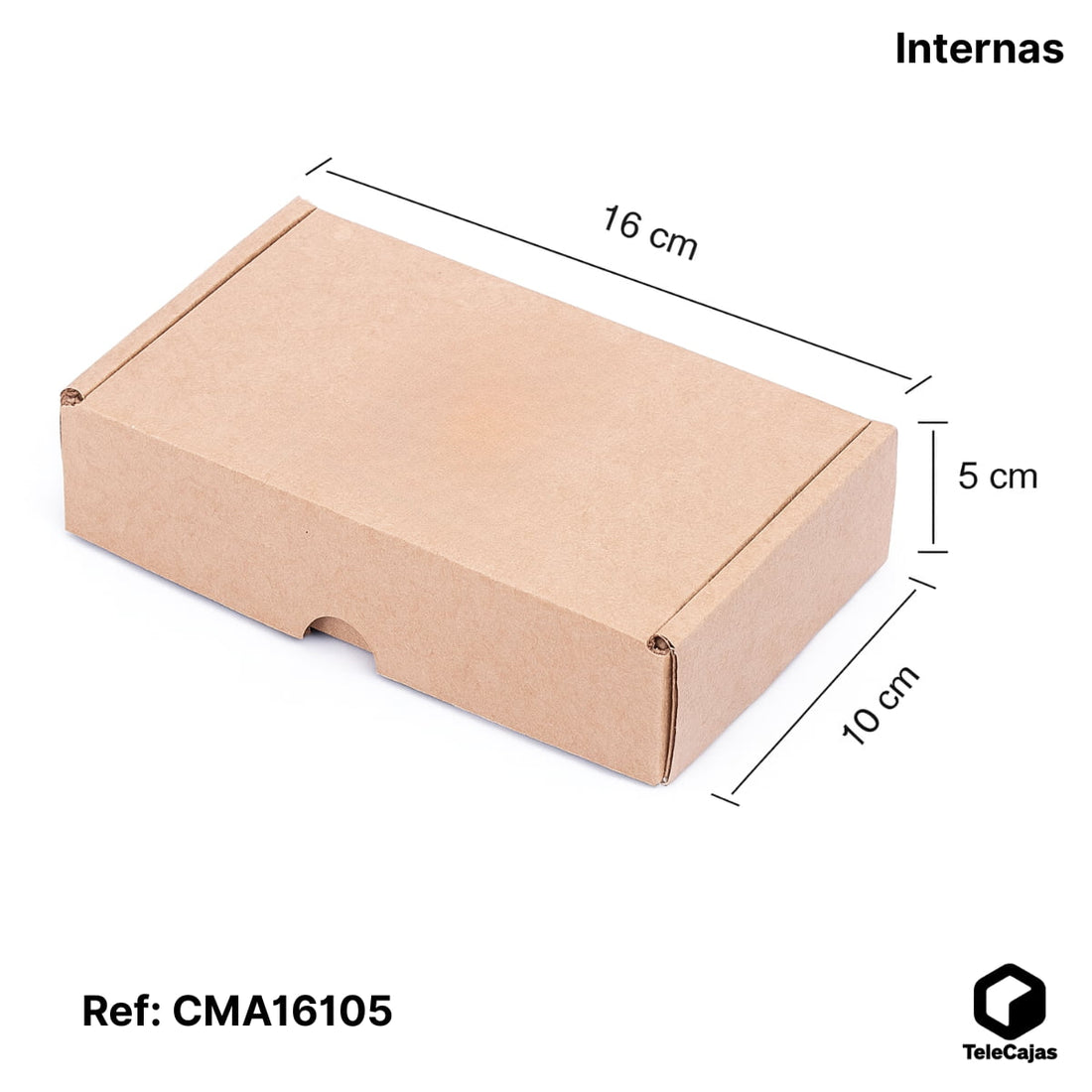
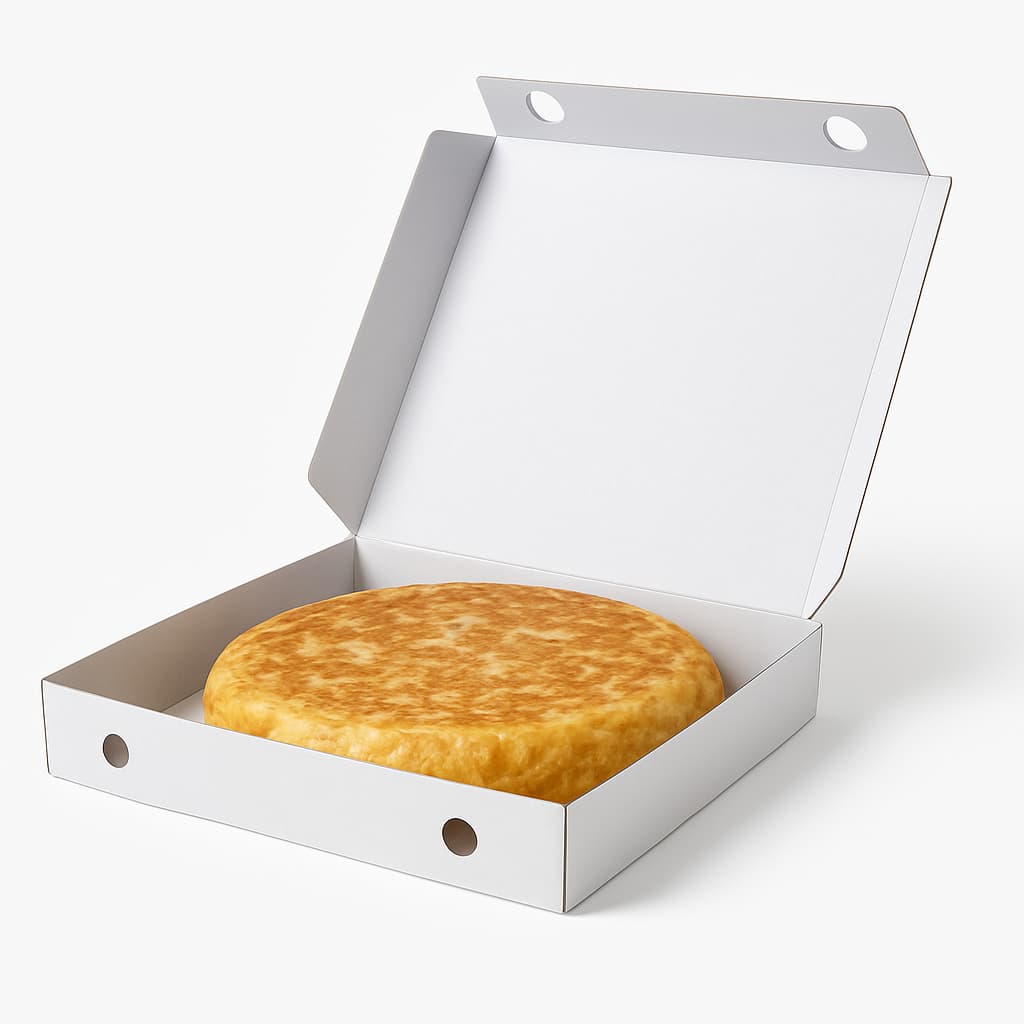
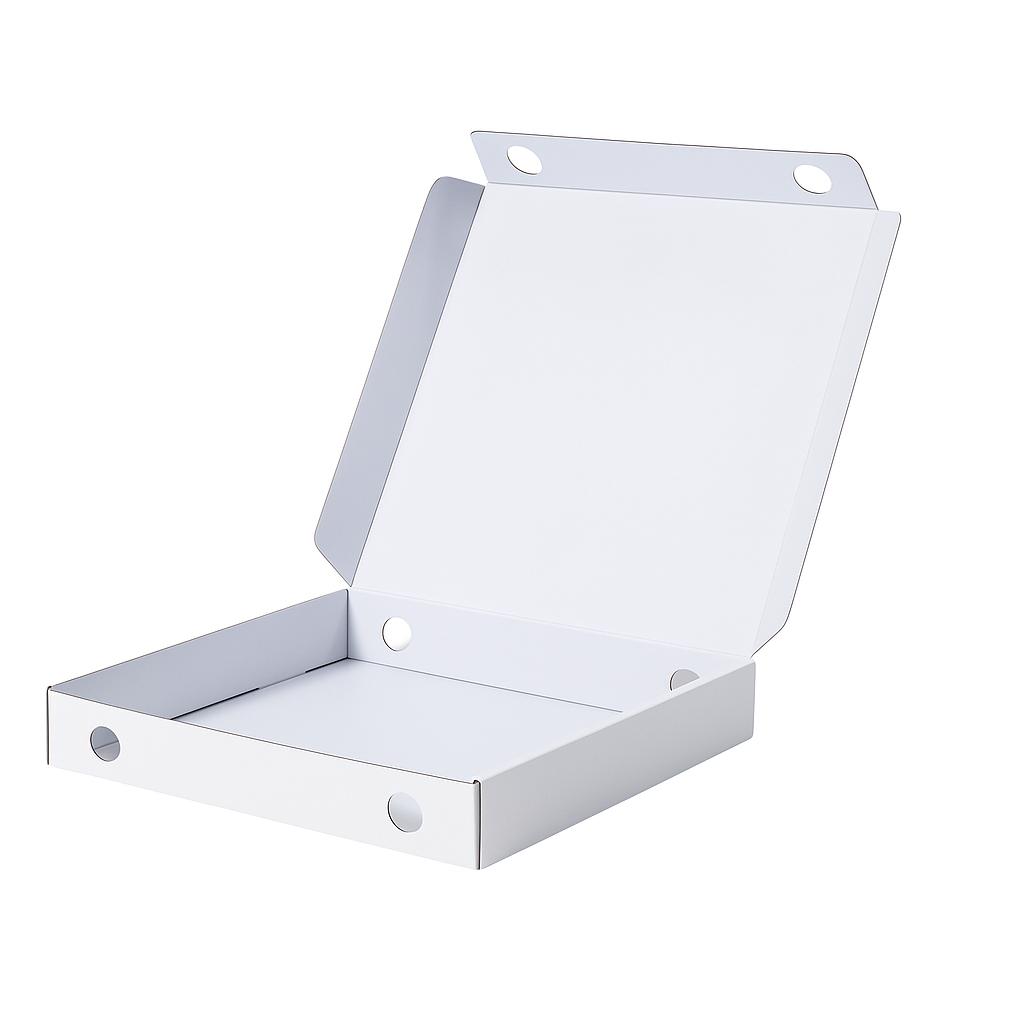
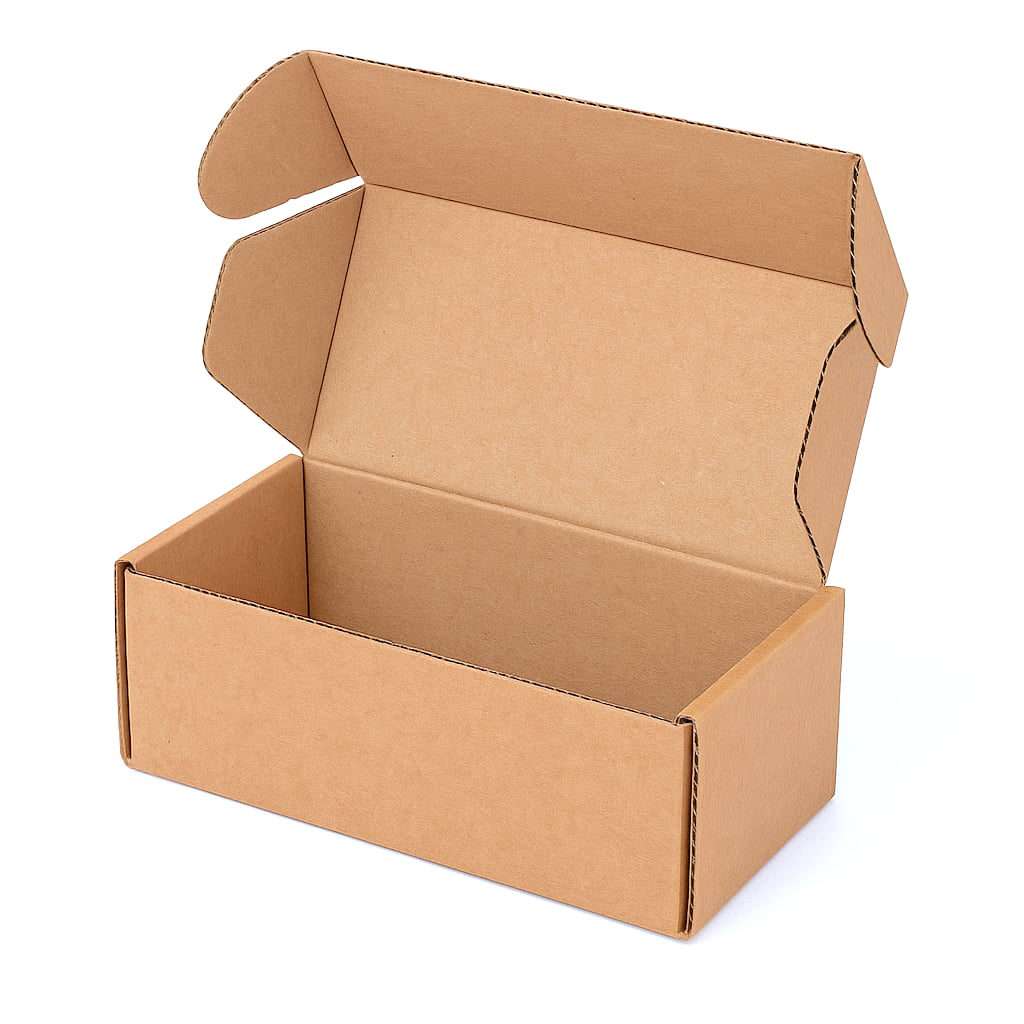
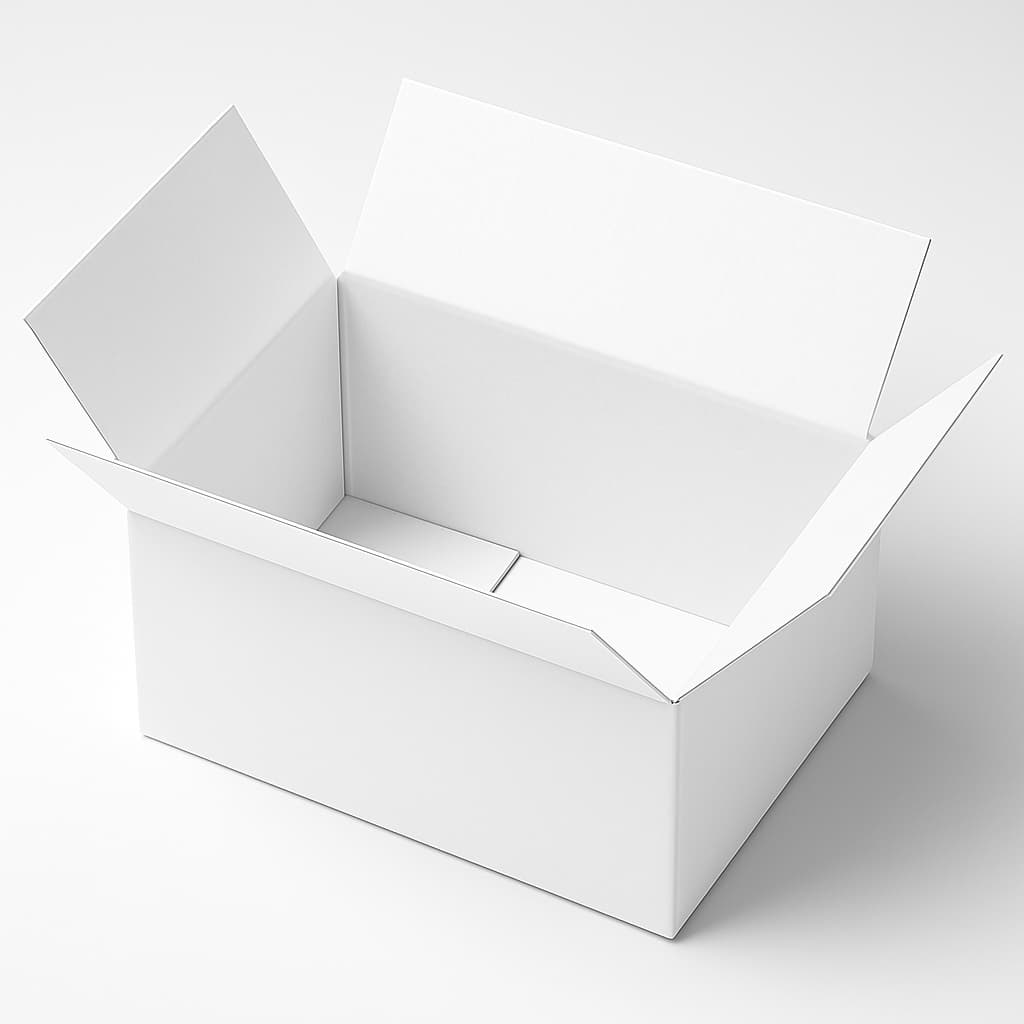
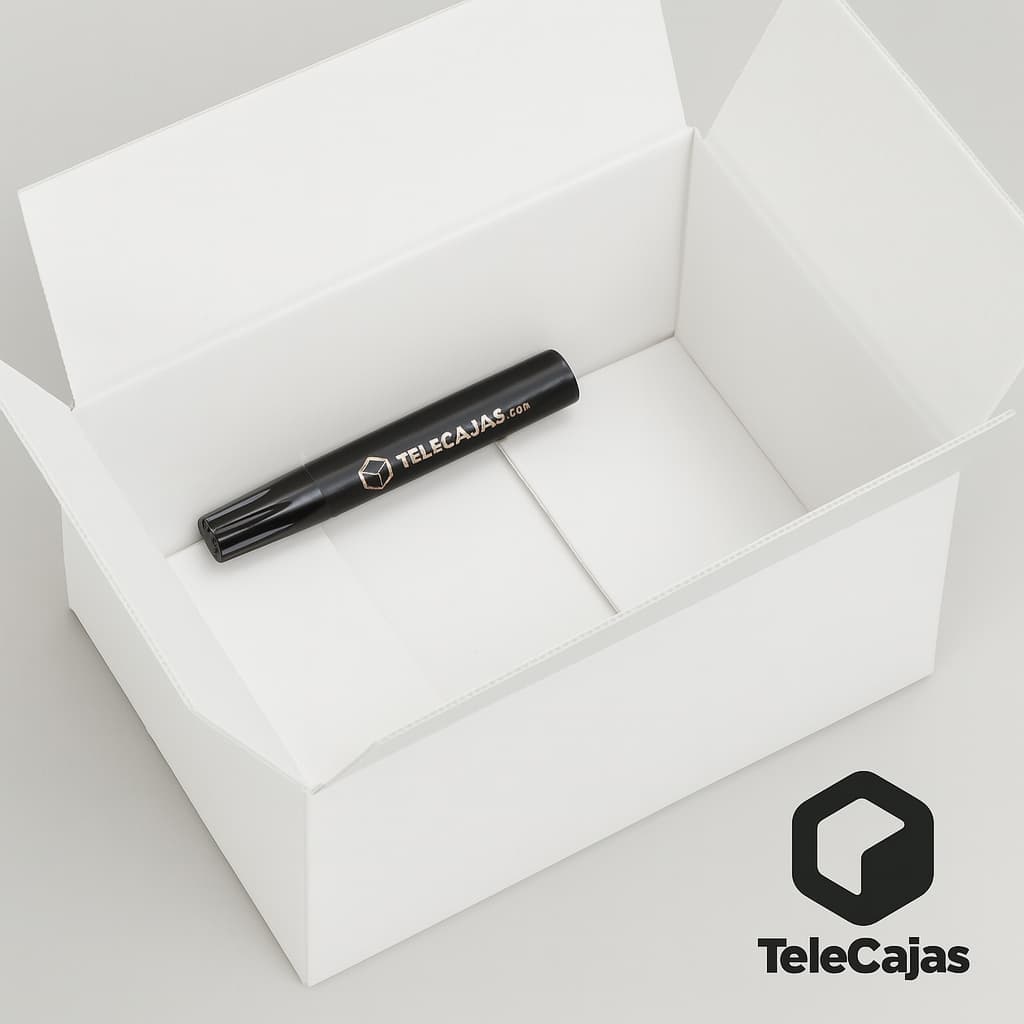
Box made of white paperboard
Paperboard is a resistant material made from uncorrugated kraft paper pulp. It is not used for shipping heavy or large items, but for small products that require a beautiful presentation. Its smooth, flat texture allows for high-quality printing, making it the preferred material for brand packaging.
If the box does not contain corrugated paper (paper with undulations between the layers), it is considered paperboard. It resembles a thicker cardstock, typically between 0.3 and 0.8 mm.
Characteristics of paperboard
- Thickness: between 0.3 and 0.8 mm (much thinner than corrugated cardboard)
- Grammage: typically between 200 and 600 g/m²
- Surface: smooth and uniform, ideal for high-quality offset printing
- Finishes: can be coated (glossy), matte, kraft, or grey back
- Colors: available in white, black, natural kraft, and customized
- Recyclable: 100% recyclable, identified with the PAP 20 recycling symbol
What is paperboard used for?
Paperboard is used in sectors where visual presentation is as important as product protection:
- Food: cereal boxes, biscuits, frozen foods, pizzas
- Pharmacy: medicine packaging, food supplements
- Cosmetics and perfumery: cream boxes, perfumes, beauty kits
- Electronics: packaging for small accessories (headphones, cables)
- Gifts: gift boxes, cases, and point-of-sale displays
If you are looking for packaging where print quality is key (full-color logos, matte or glossy finishes), paperboard is the right choice. However, for shipping and transporting heavy products, you need corrugated cardboard, which offers much greater mechanical resistance.
Differences between paperboard and corrugated cardboard

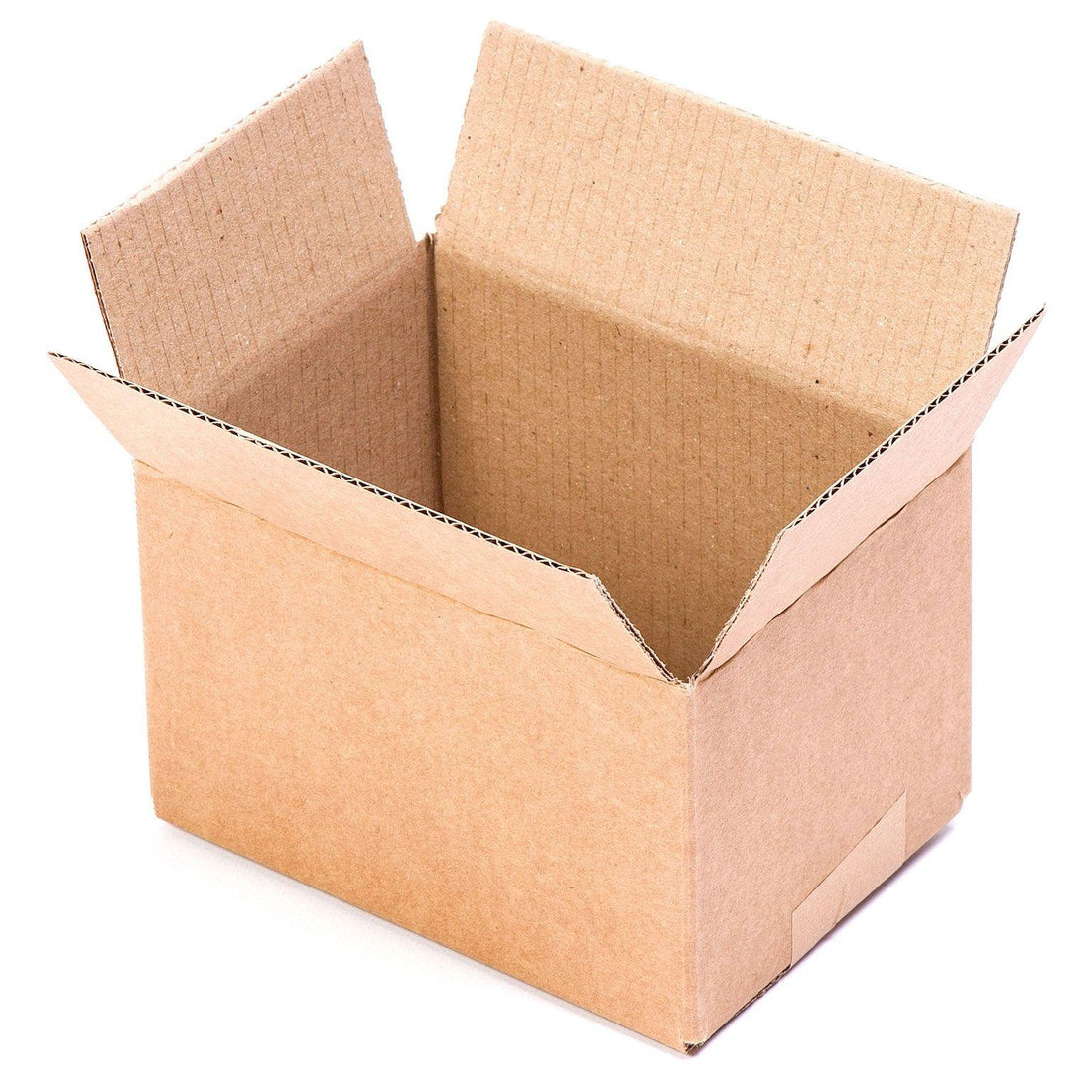
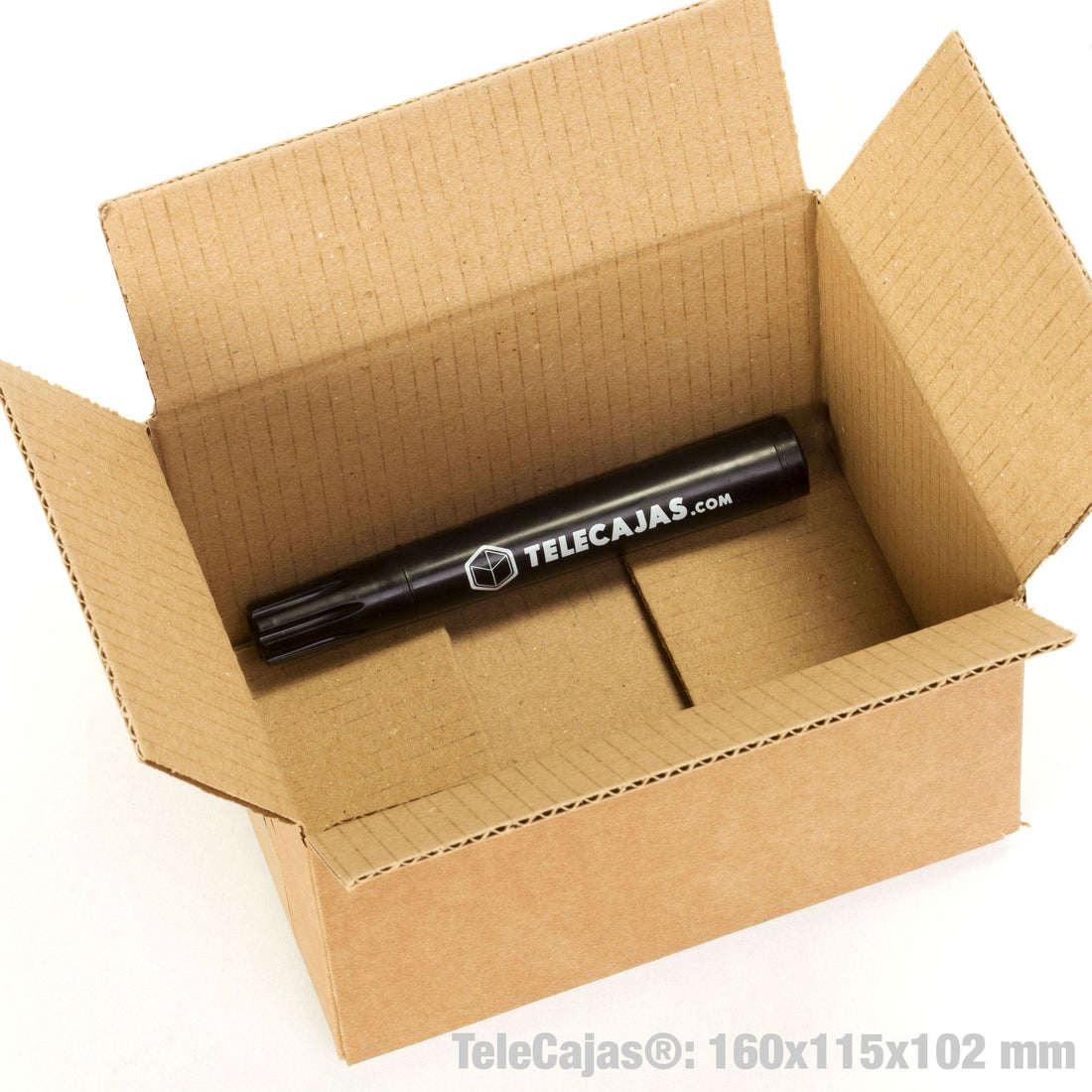
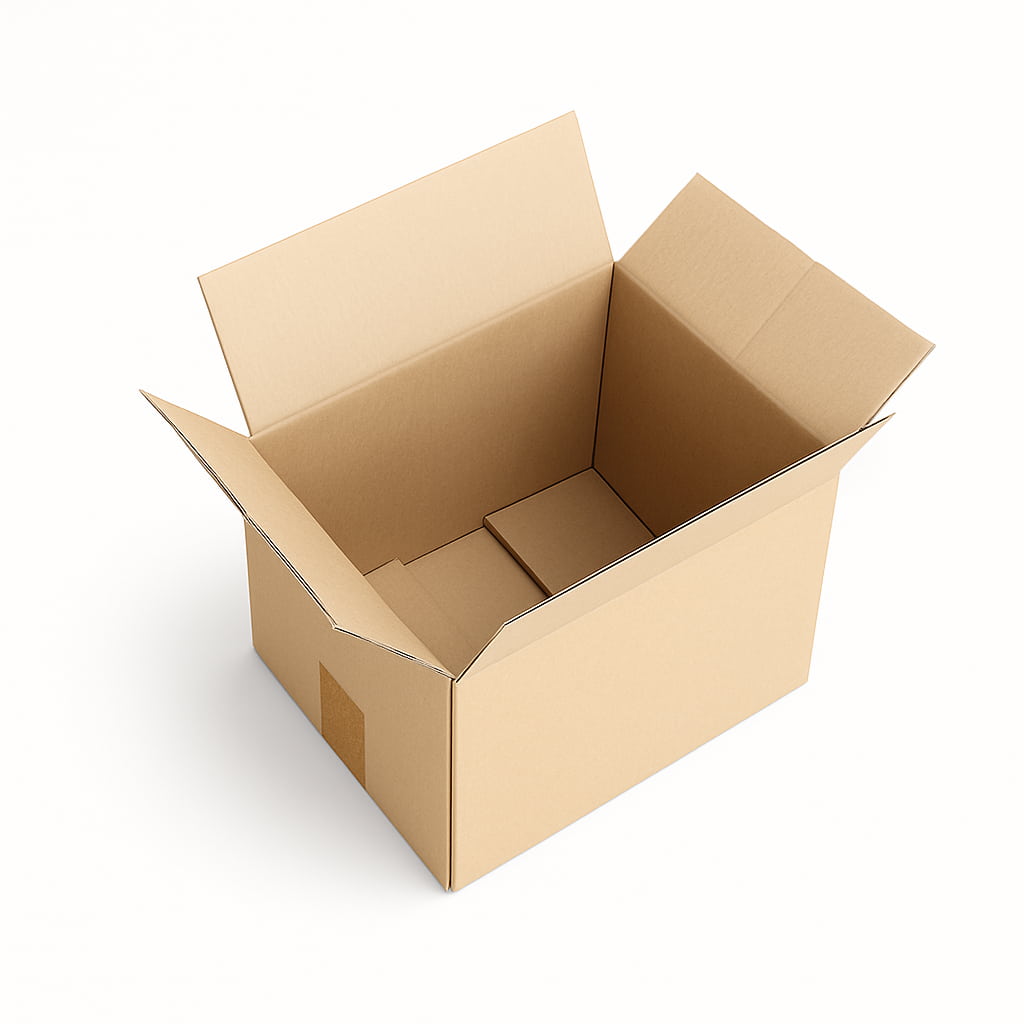
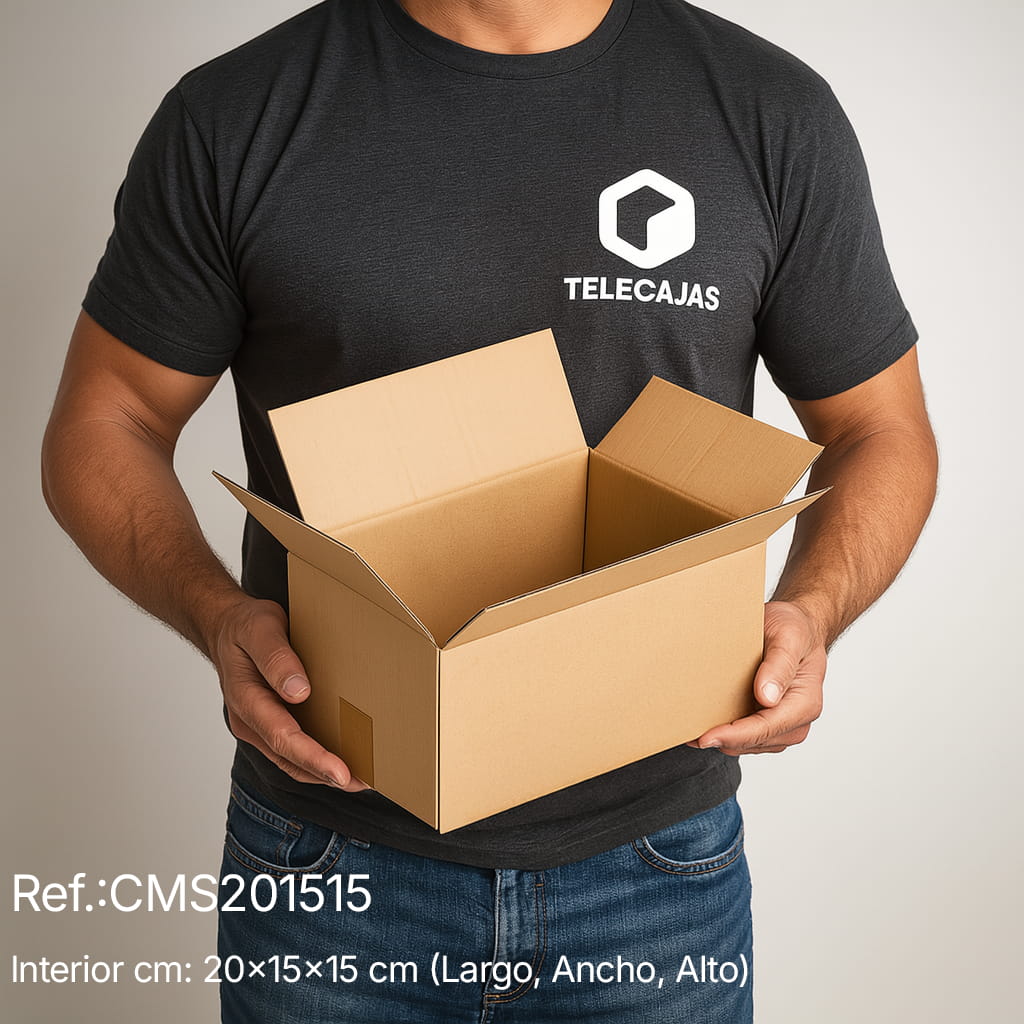
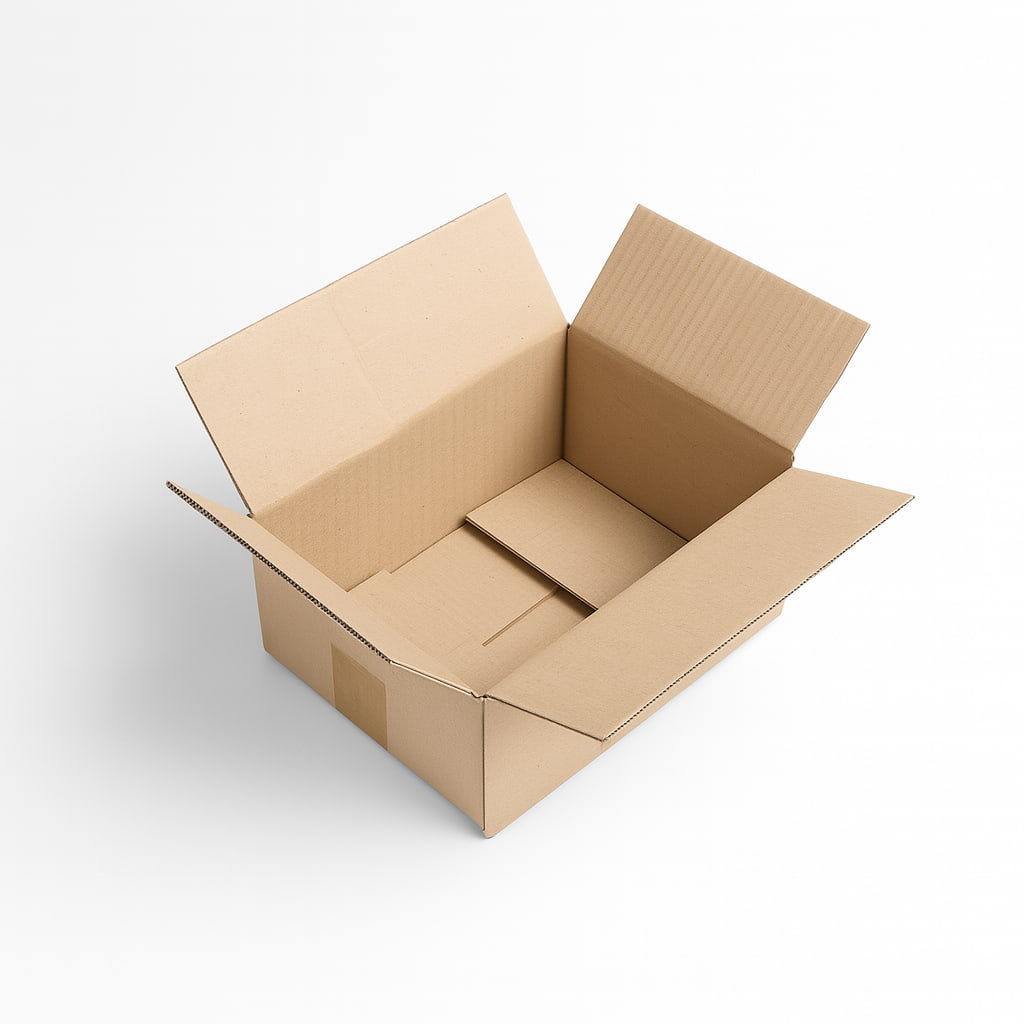
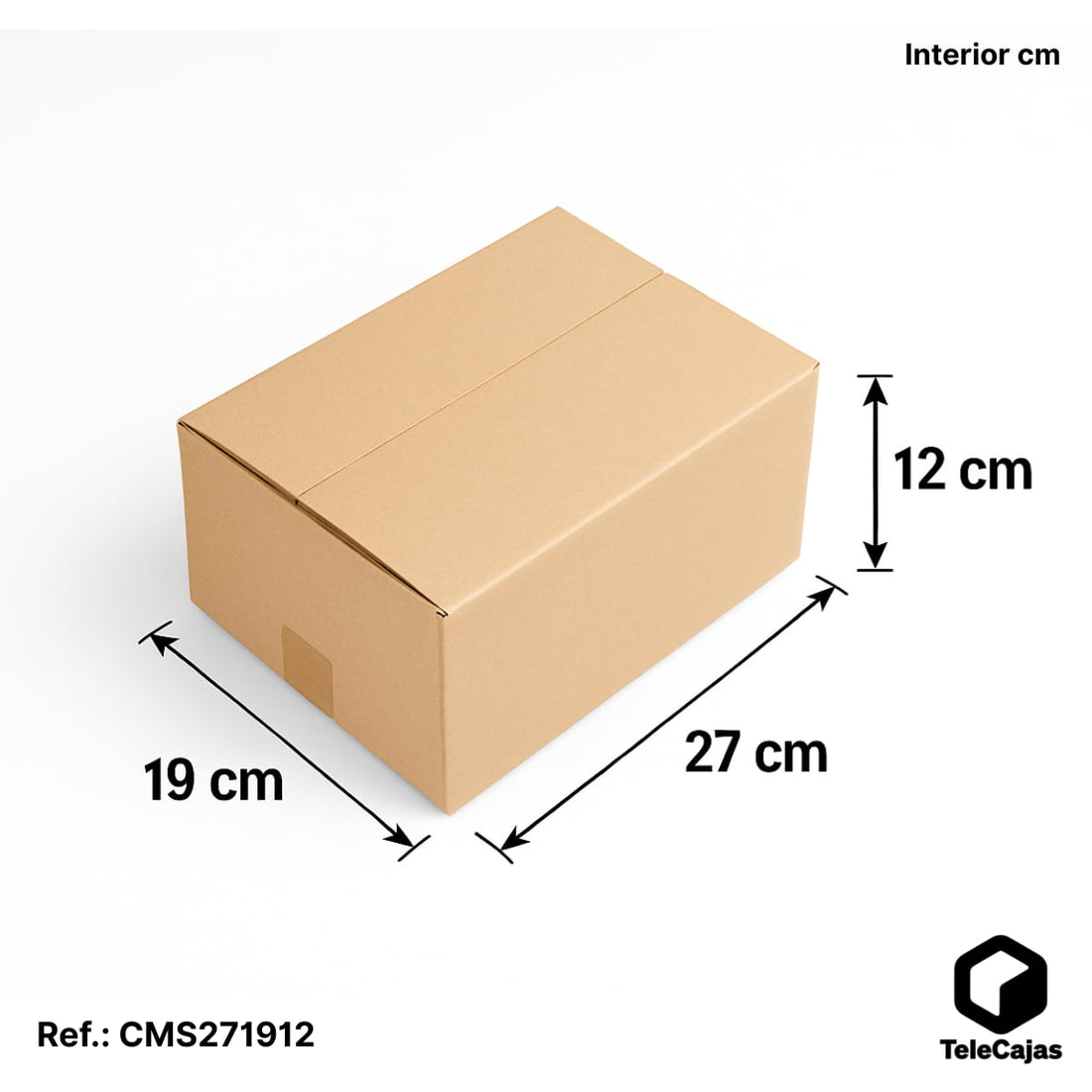
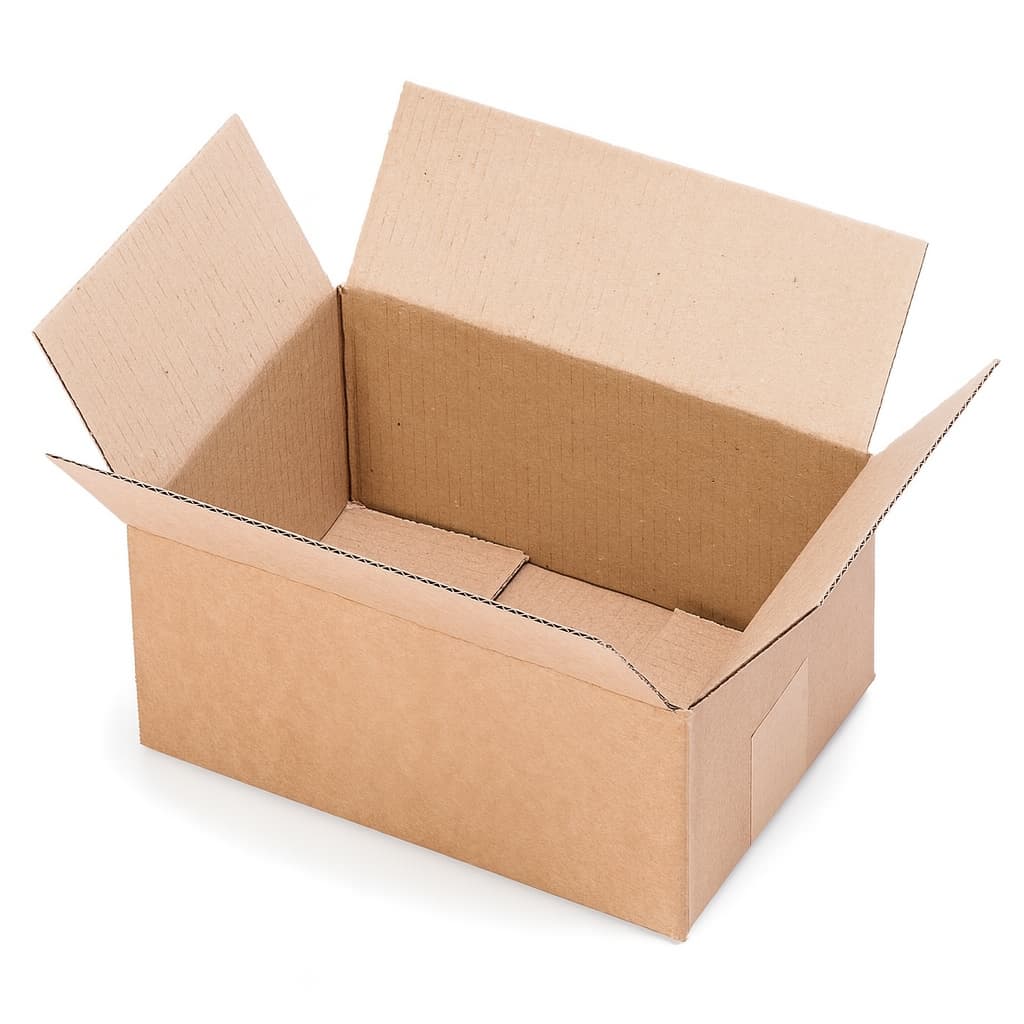
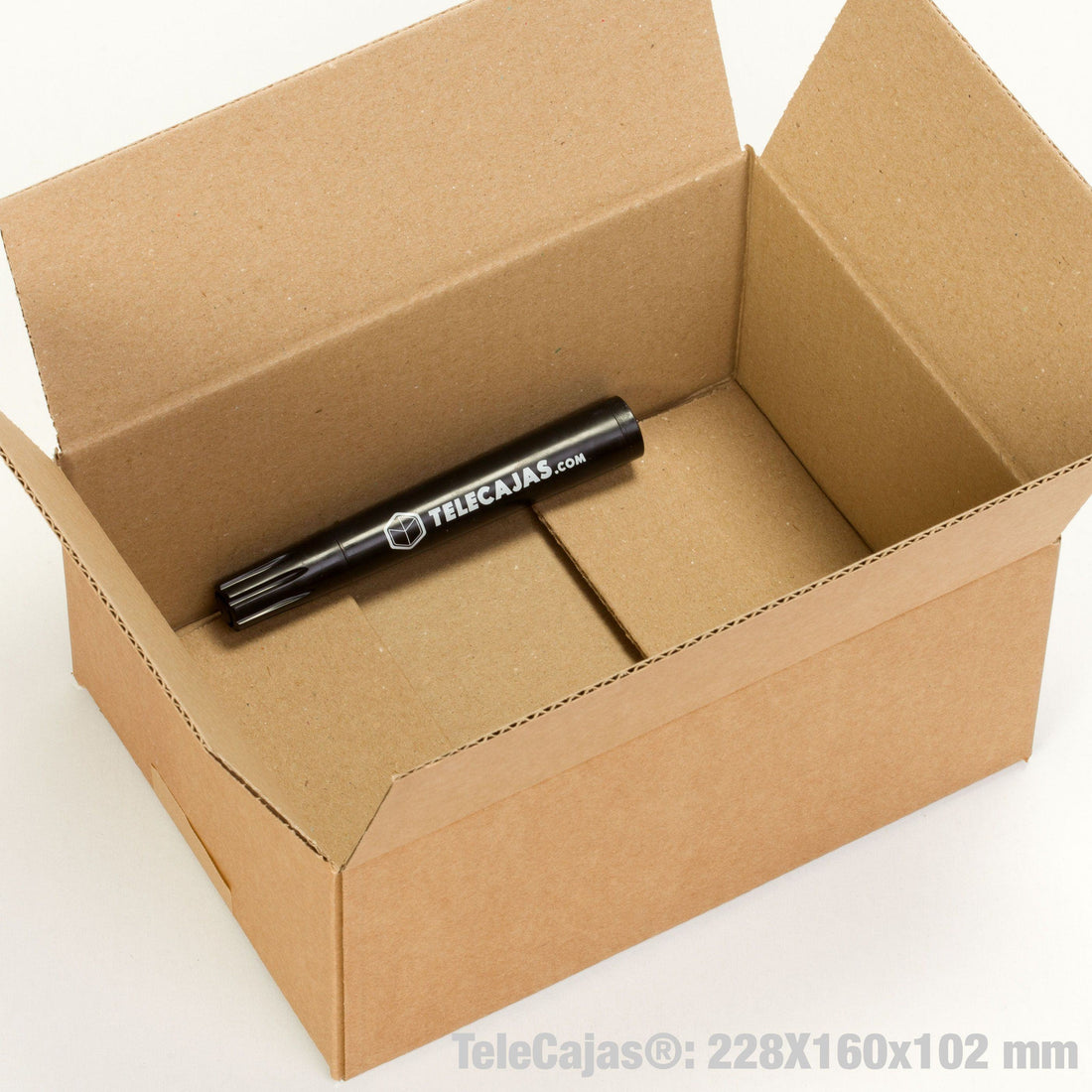
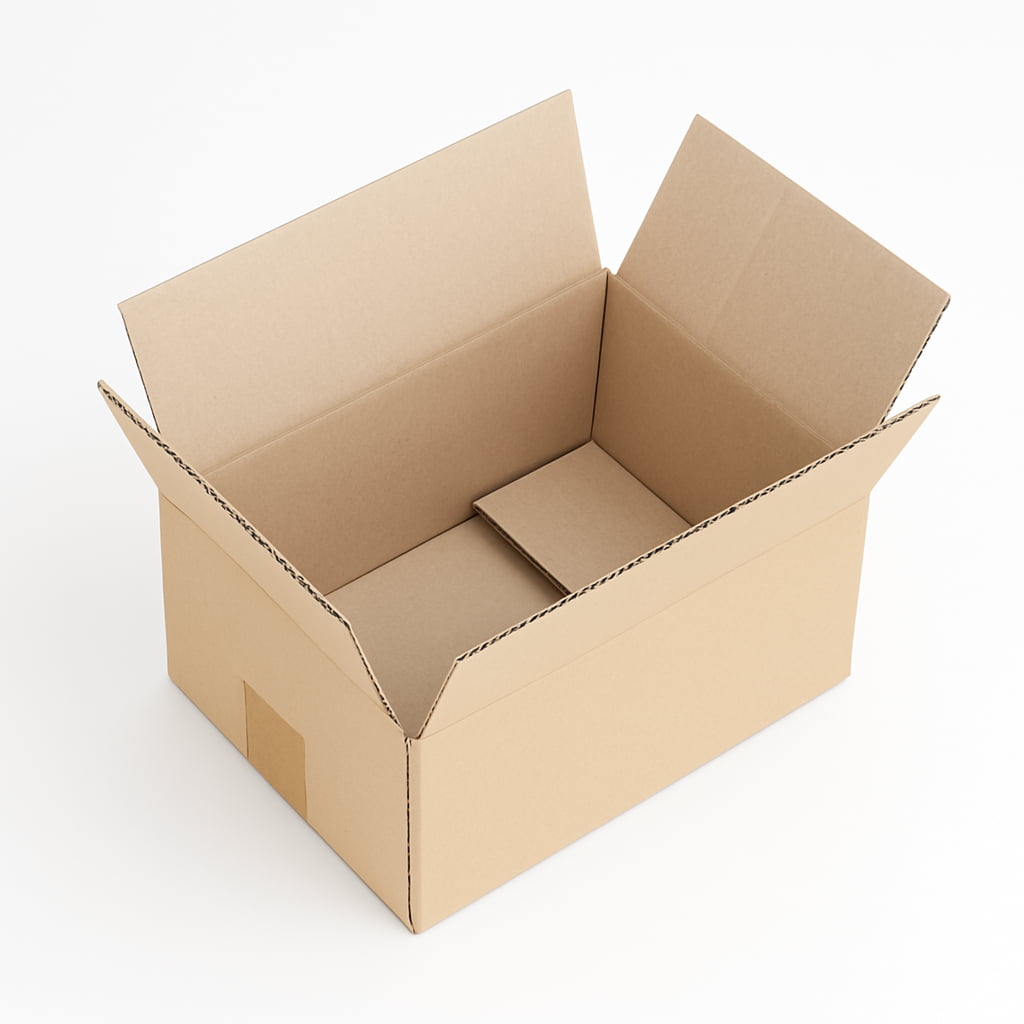
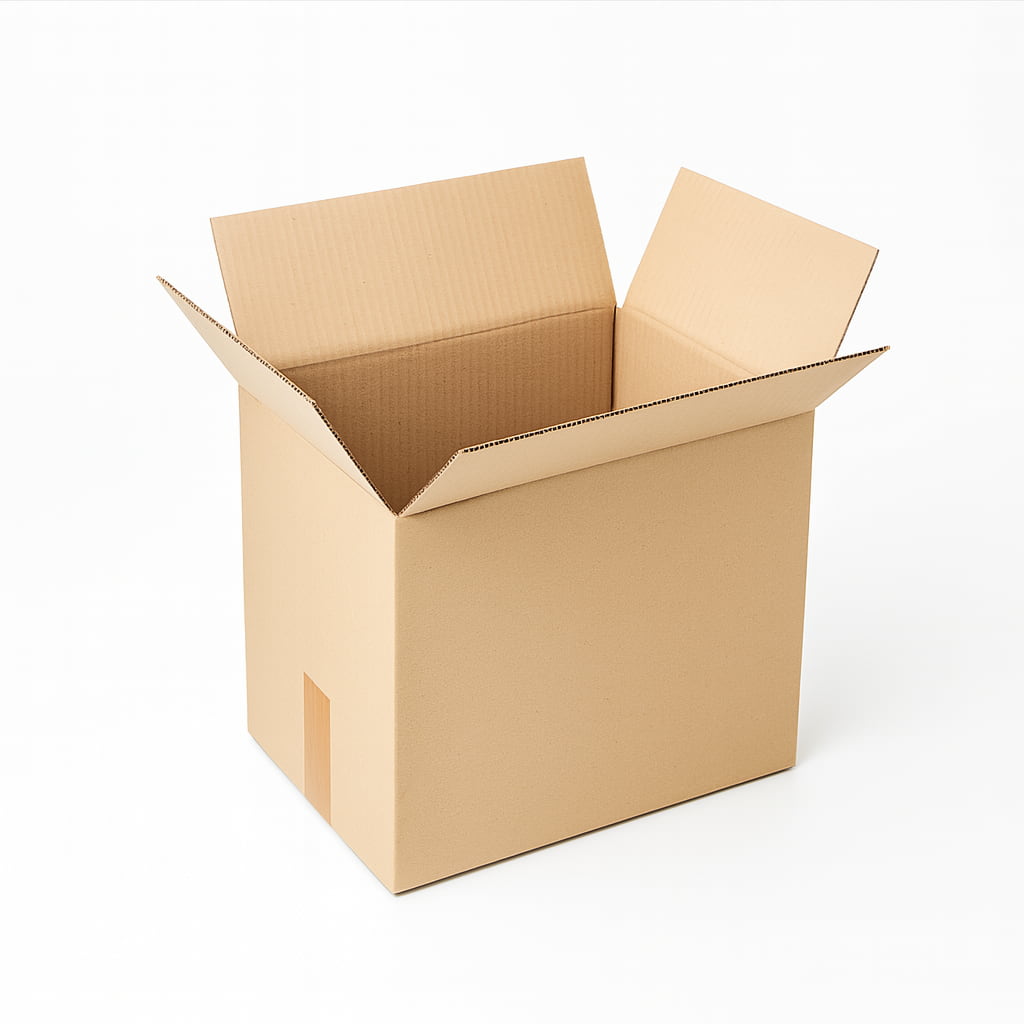
Corrugated cardboard box: internal corrugations are visible
| Characteristic | Paperboard | Corrugated cardboard |
|---|---|---|
| Structure | Flat sheet (no waves) | Layers with corrugations (flute) |
| Thickness | 0.3 – 0.8 mm | 2 – 15 mm |
| Resistance | Low-medium | High-very high |
| Printing | Excellent (offset) | Good (flexography) |
| Typical use | Packaging, displays | Shipping, moving |
| Price | Medium-high | Economical |
| Recyclable | Yes (PAP 20/21) | Yes (PAP 20) |
"All corrugated boxes are cardboard boxes, but not all cardboard boxes are corrugated."
When to choose paperboard and when to choose corrugated?
- Choose paperboard if you need packaging with quality printing for shelves or point-of-sale, and the product weighs no more than 1-2 kg.
- Choose corrugated cardboard if you need to ship or store products that require protection against bumps and stacking. To see all available options, check our section on corrugated cardboard shipping boxes.
Do you want to delve deeper into the types of corrugated cardboard and its flutes? Read our complete guide to corrugated cardboard. And if you are interested in the world of packaging in general, we also have a dedicated guide.
For shipping and protective packaging, corrugated cardboard is the professional choice. Find corrugated cardboard boxes in all sizes at TeleCajas, with 24-hour shipping.