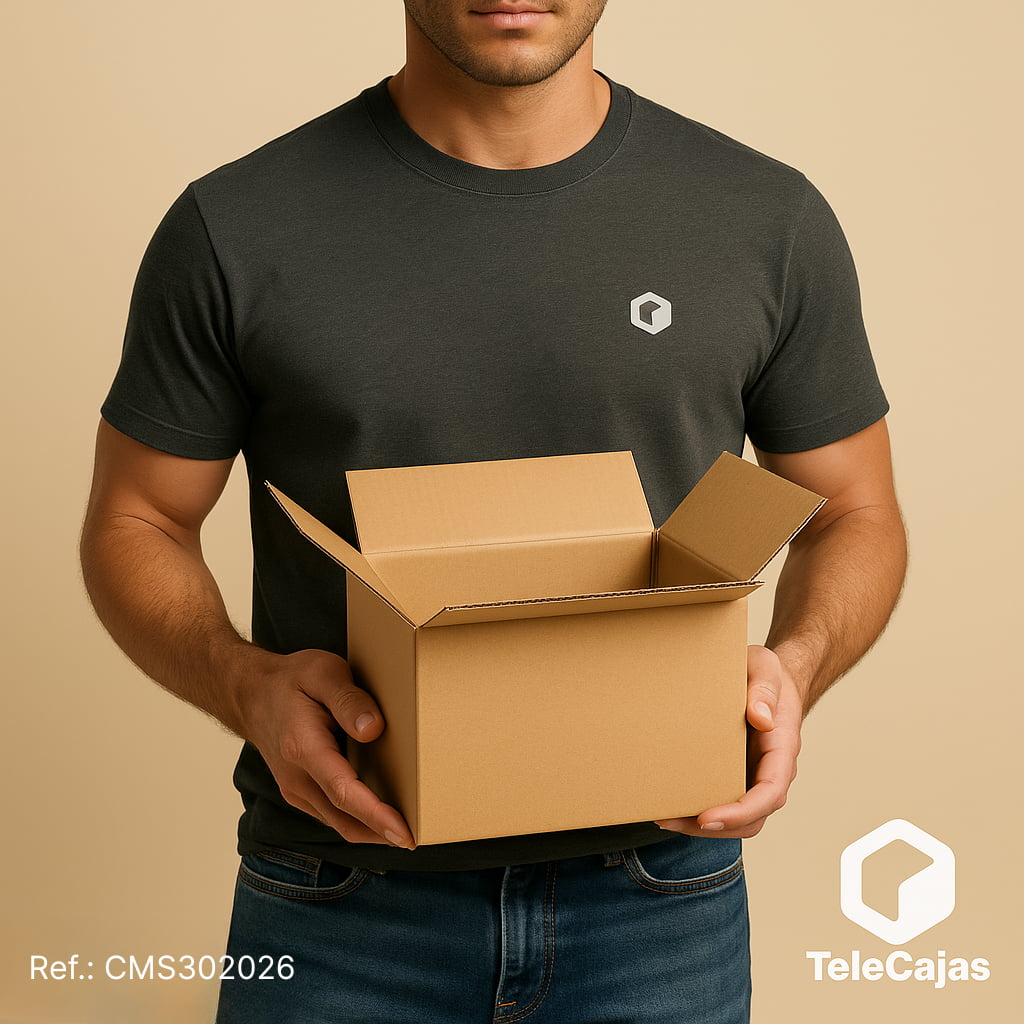
A disorganised move can end in burst boxes, broken dishes and hours lost looking for your phone charger. With a clear plan for sizes, labelling and taping, packing up a whole home stops being a headache. This is the guide we use at TeleCajas, with thousands of orders a year.
Quick checklist
- Sizes: small boxes for heavy items (books, dishes); medium and large for bulky, light items (clothes, cushions).
- Condition: avoid worn boxes; reinforce the base and corners.
- Materials: strong tape, labels, a permanent marker, bubble wrap.
- System: pack by room and by how soon you'll need things.
- Labelling: room + contents + fragility + box number.
- Storage: stack heavy boxes at the bottom; group by area; leave walkways.
- Tape: use an H seal to prevent opening, dust and moisture.
- First-day box: prepare a box of essentials to open as soon as you arrive.
1. Which boxes to use for which contents
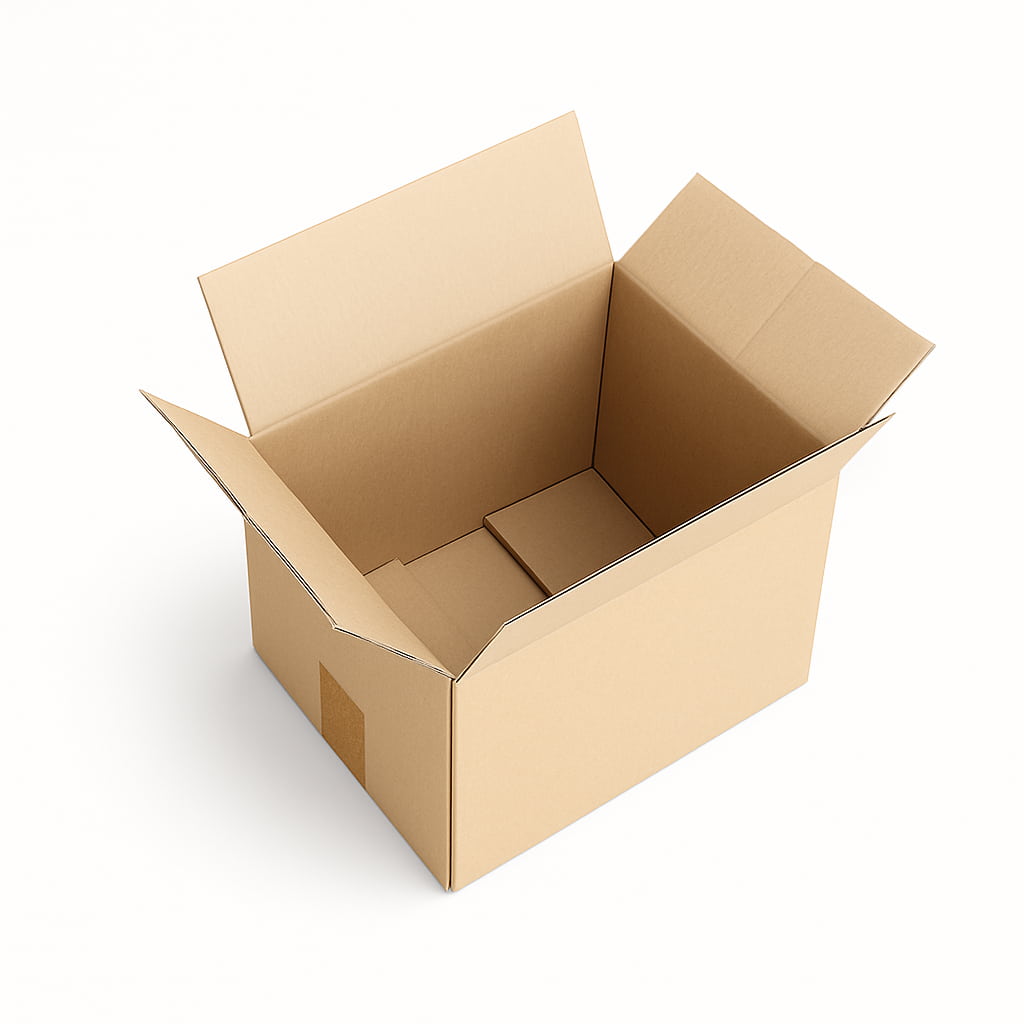
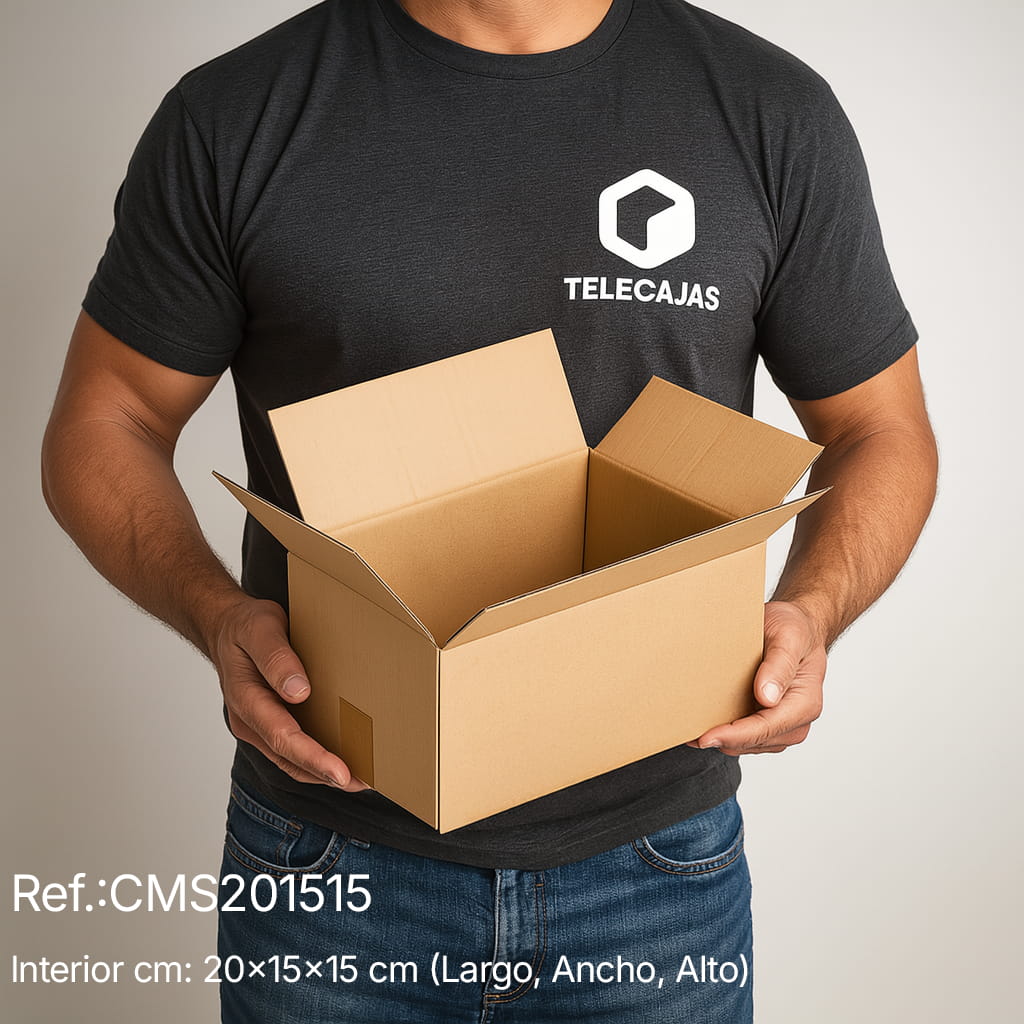
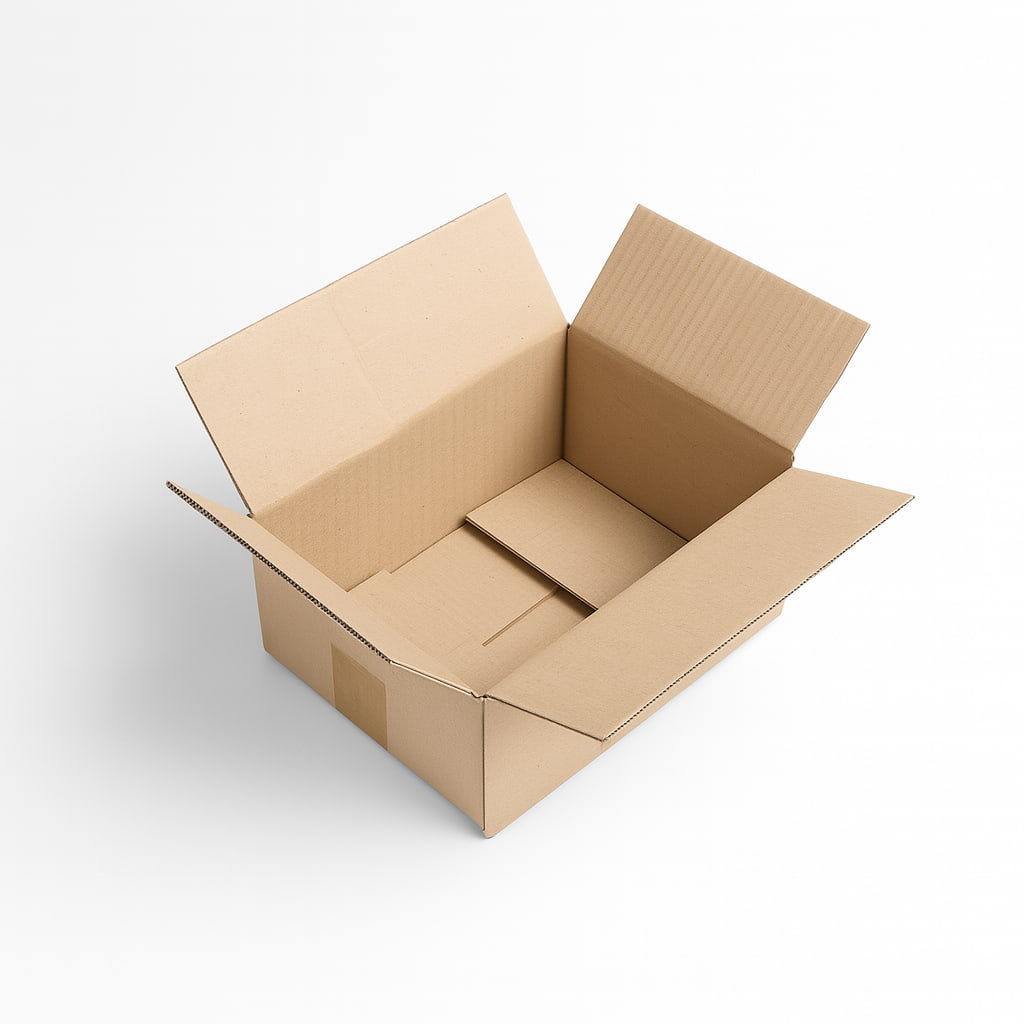
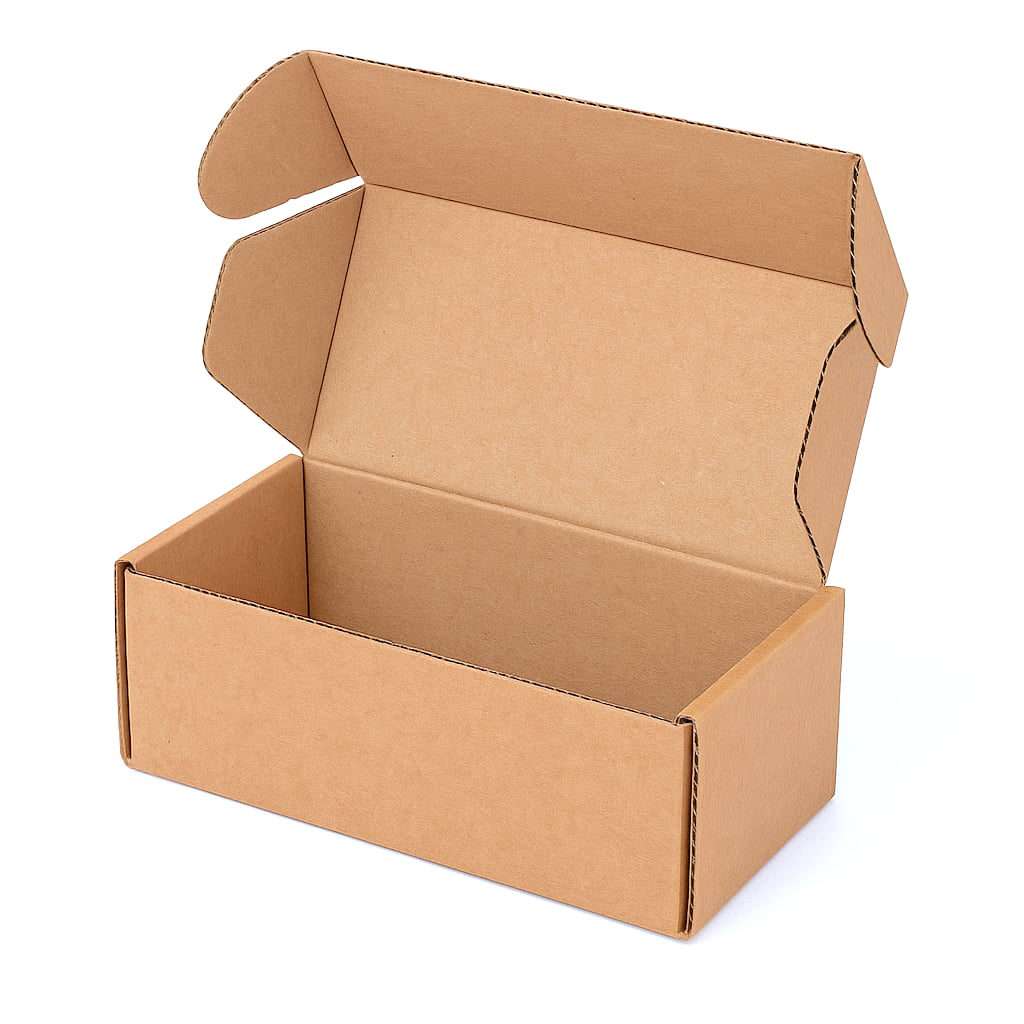
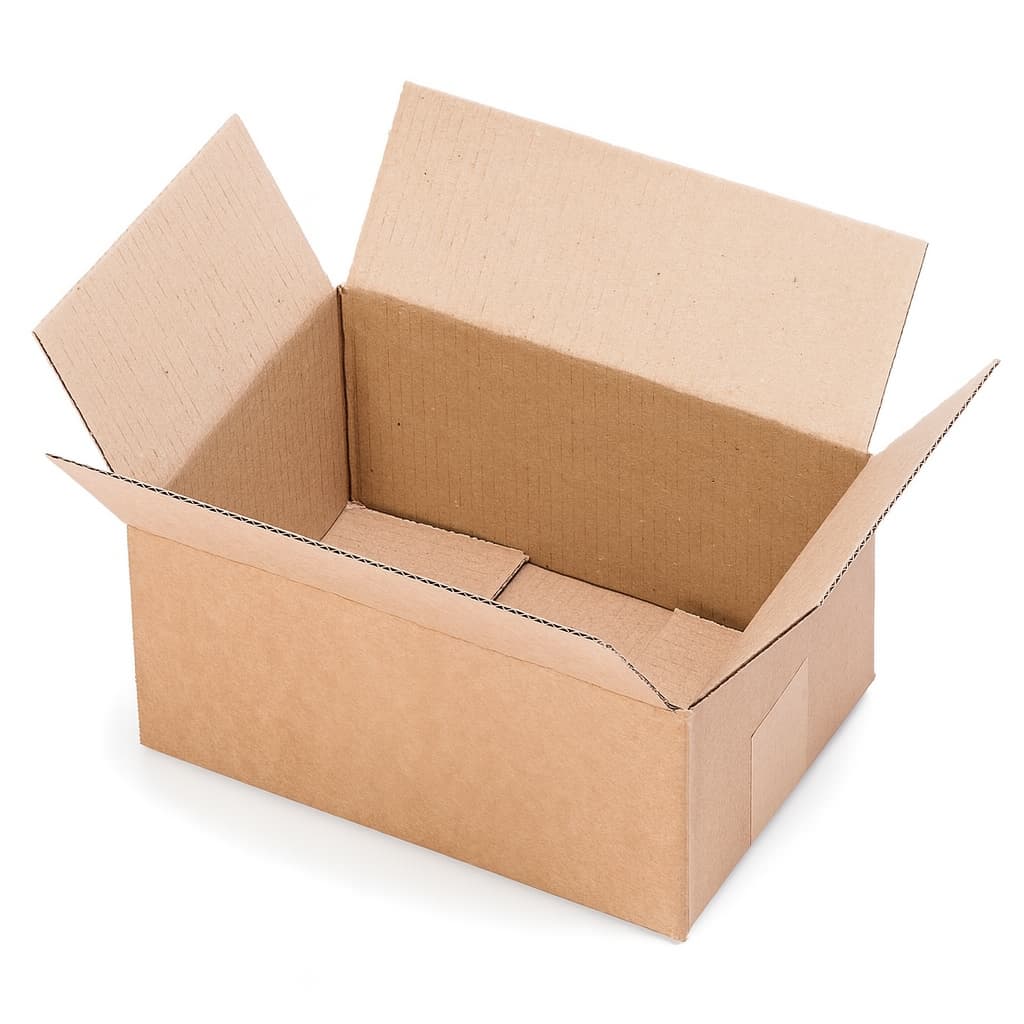
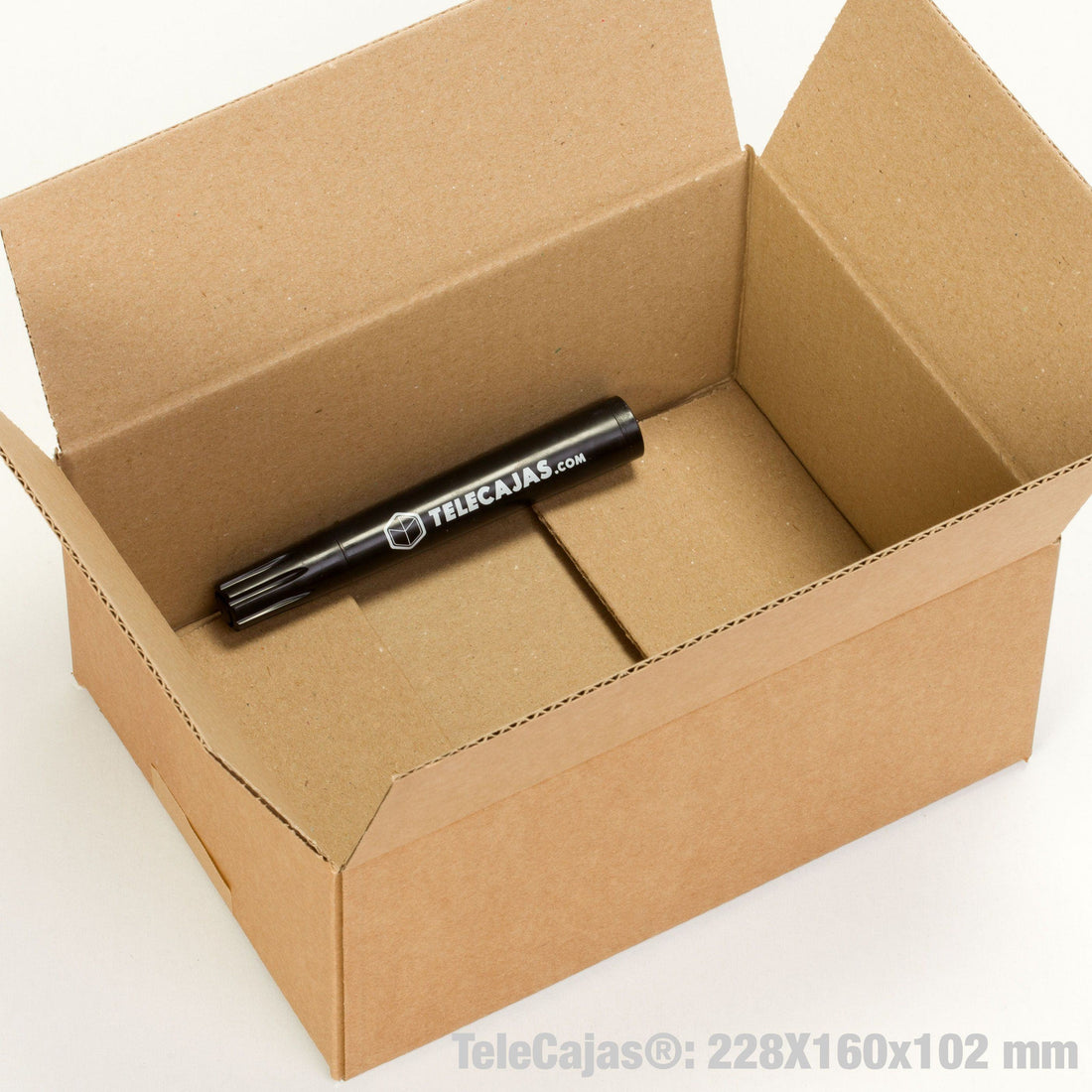
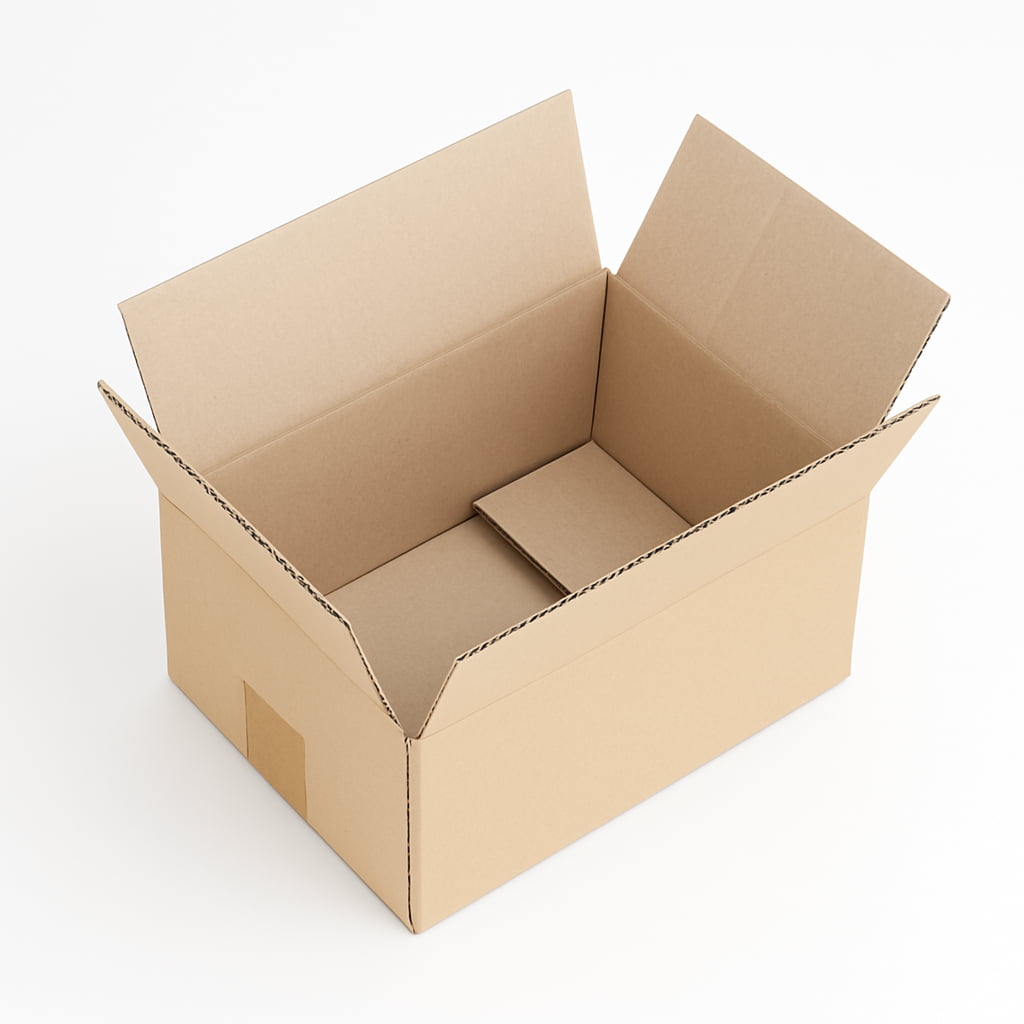
The most common mistake is using the same box for everything. The golden rule: the heavier the contents, the smaller the box should be. A 60 cm box full of books weighs 35 kg and breaks through the bottom; the same box filled with cushions weighs 5 kg and is easy to move.

| Size | Approximate dimensions | Ideal contents | Max. weight |
|---|---|---|---|
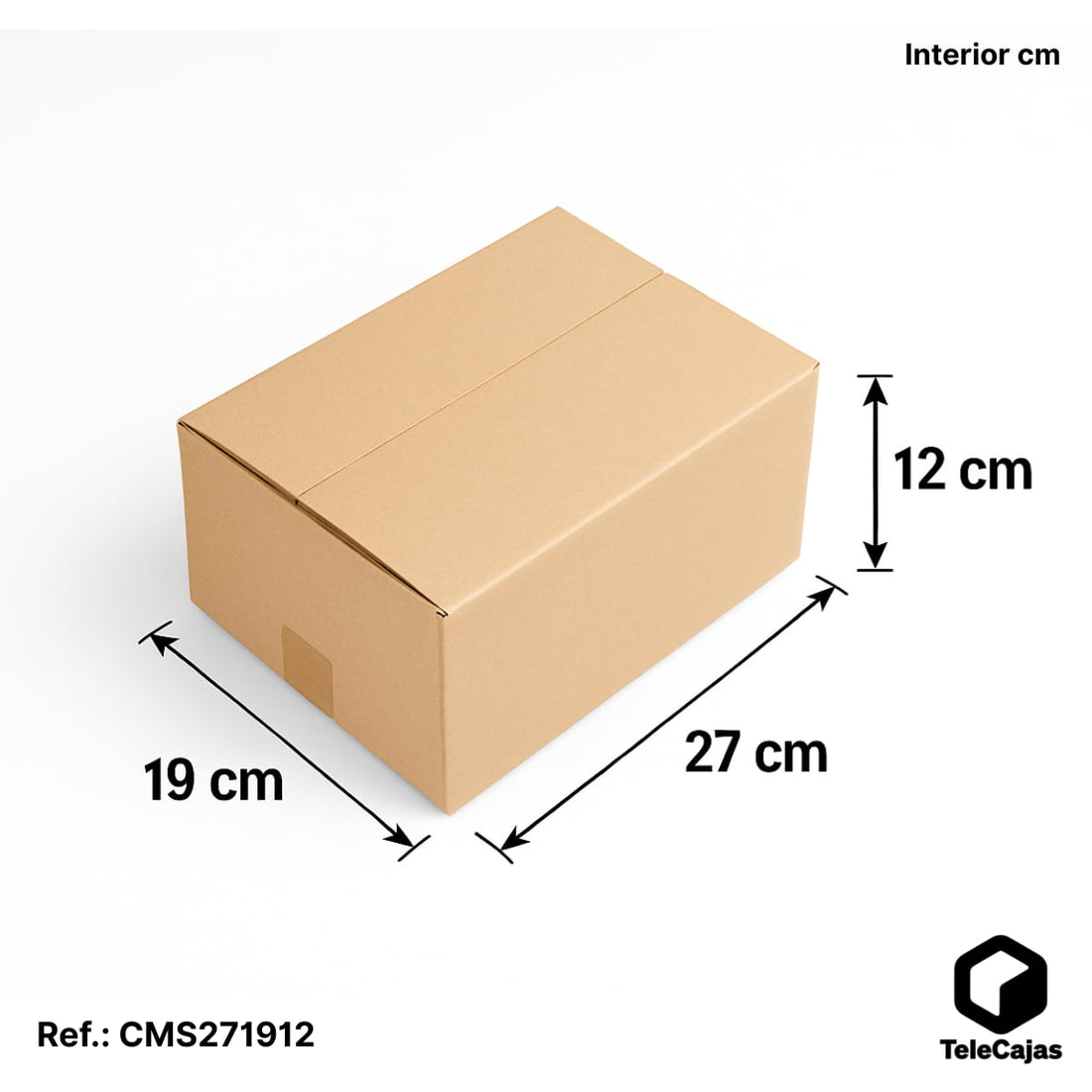
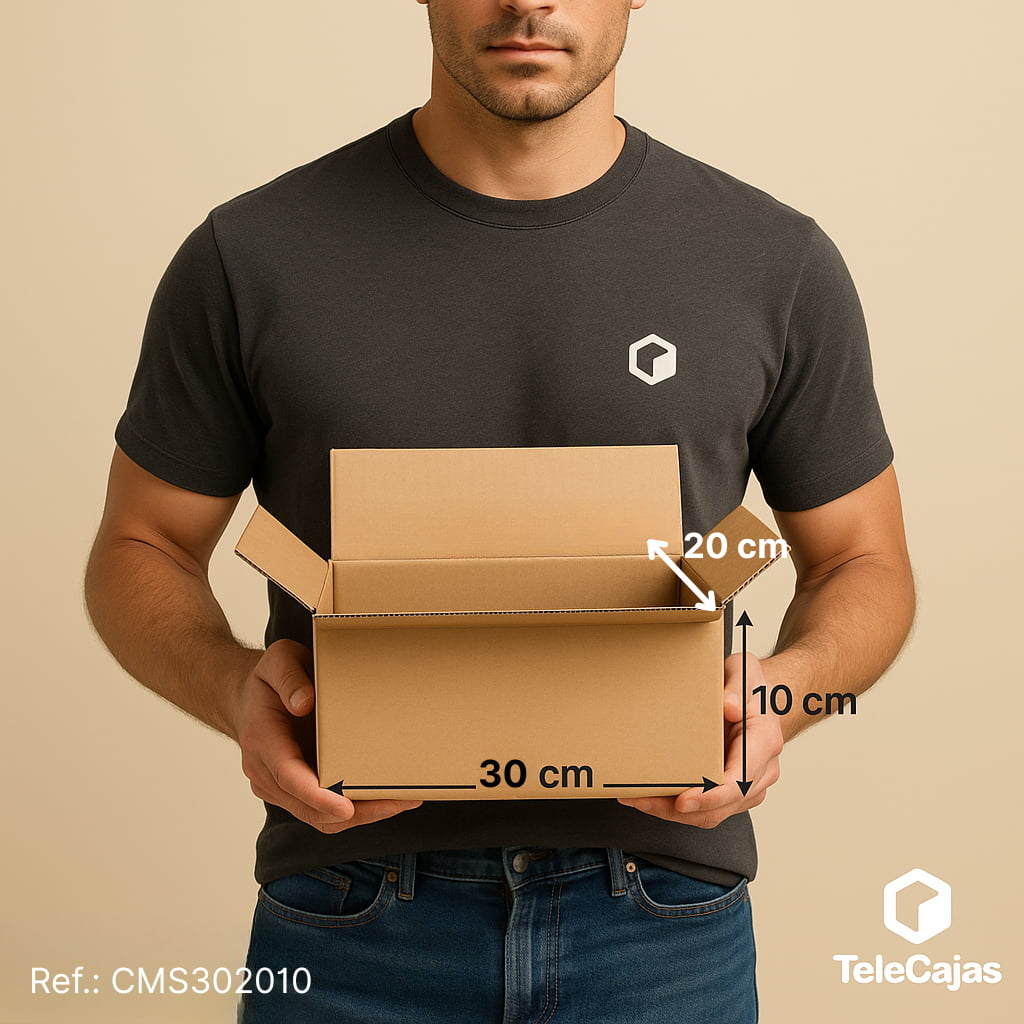
| Small | 40 × 30 × 30 cm | Books, dishes, tools, vinyl records | 15 kg |
| Medium | 50 × 40 × 40 cm | Kitchenware, electronics, toys | 20 kg |
| Large | 60 × 50 × 50 cm | Clothes, blankets, cushions, soft toys | 20 kg |
| Wardrobe box | 50 × 60 × 110 cm | Hanging clothes, coats, dresses | 15 kg |
Small boxes (books, dishes, tools)
- They prevent overloading and the base giving way.
- Reinforce the base with a double layer of tape before filling them.
- Fill gaps with crumpled paper so nothing rattles around.
Medium and large boxes (clothes, textiles, toys)
- Ideal for bulky, light items.
- Use vacuum bags for blankets and duvets.
- Never mix textiles with very heavy items.
If you'd rather not buy them individually, TeleCajas moving packs already combine all three sizes in balanced proportions.
2. Box condition: when to replace them
A well-used box can give way during the move. If you see tears, damp stains, crushed corners or bent flaps, replace it. Cardboard loses strength with every use, especially if it has been exposed to moisture. When in doubt, choose safe, clean boxes: a new box costs less than €1 and could save you from breaking a €100 item.
TeleCajas tip: double-wall cardboard is much stronger than single-wall. If you're going to stack more than three high or move books, dishes or tools, go straight for double-wall.
3. The essential materials kit
Before you start packing, put together your "packing kit" in a bag or a box with handles and keep it close by. You'll need it every five minutes.
- Strong packing tape (48–50 mm, ideally brown or clear blue tape).
- Large adhesive labels and a permanent marker such as an Edding 850.
- Bubble wrap, kraft paper or foam to protect fragile items.
- Box cutter and tape dispenser (it triples your taping speed).
- Dish dividers and mattress covers if you have them.
- Large bin bags for hanging clothes (a quick, free trick).
- Coloured stickers for the room colour code.
Tip: buy 20% more tape than you think you'll need. Running out of tape at eleven at night with half the house still to pack is a classic.
4. How to label and number
Good labelling saves you hours when unpacking and reduces mistakes when loading. An unlabelled box is a box you'll open ten times before you find what you need.

-
Recommended format: ROOM — CONTENTS — Box no. — FRAGILE.
Example: KITCHEN — Dishes and glasses — Box 12/24 — FRAGILE. - Visibility: label the top and two different sides. If the box ends up stacked or on its side, you can still see the label.
- Colour code per room with round stickers: bedroom = blue, kitchen = green, bathroom = yellow, living room = red. Whoever loads the van can place each box in the right room at a glance.
- Basic inventory: take a photo of the contents before closing the box, or note down the important items on a sheet with the box number. If a box goes missing during the move, you'll know exactly what was inside.
- Mark FRAGILE in large letters with a red marker or a red round sticker on all four sides and the top.
5. How to store and stack
If you're still living in the house until moving day, set aside a little-used room (an empty room, the garage or a storage room) to collect the boxes that are ready. That way you won't be tripping over boxes in the living room.

- Group by room in separate stacks: kitchen with kitchen, bathroom with bathroom. On moving day the van is loaded by area.
- Stack heavy at the bottom and light on top. Never the other way round. Boxes with books or dishes always go on the floor.
- Maximum four boxes high, and never let a stack exceed one and a half metres. The higher it is, the greater the risk of it falling.
- Leave walkways at least 60 cm wide so you can move around and take out priority boxes first.
- Fragile boxes on top or separate: never with heavy boxes on top of them.
6. Why taping matters: the H seal
Taping correctly prevents accidental opening and protects against dust, moisture and dirt during transport. The technique professionals use is called the H seal.

How to do an H seal step by step
- Close the top flaps, bringing the two long ones together in the centre.
- Apply one central strip of tape along the whole seam, covering it and leaving 5 cm overhanging on each side to "grip" the side walls.
- Apply two perpendicular strips at each end of the box, covering the join between the short flaps and the central strip. The result looks like the letter H.
- Apply the same pattern to the base if the box will carry weight. Double base, double security.
- Pull the tape taut as you apply it so it stays tight and wrinkle-free. Wrinkled tape comes unstuck.
Shortcut: with a tape dispenser you can do an H seal in under ten seconds. Without one, it takes three times as long.
7. Common mistakes to avoid
- Mixing fragile items with very heavy ones. A sure recipe for breakages.
- Leaving gaps unfilled inside the box. Items knock against each other.
- Not reinforcing the base of heavy boxes. The contents end up on the floor.
- Labelling only the top. Once stacked, the label is hidden.
- Using worn-out boxes to "make use of them". A false economy.
- Sealing with ordinary office tape. It can't handle weight or transport.
- Filling the box 100% with no protection. Always leave 2-3 cm for a layer of crumpled paper on top.
- Making boxes too heavy to carry. Anything over 20 kg is very hard to carry up stairs.
8. The first-day box
It's the most important box of the whole move and the one almost nobody prepares: the box you'll open as soon as you arrive at your new home. It should contain everything you'll need in the first 24 hours without having to search through 40 boxes.
What to put in the first-day box:
- Toiletries: toothbrushes, toothpaste, soap, toilet paper, one towel per person.
- Kitchen: 1 glass, 1 plate, 1 spoon, 1 knife and 1 fork per person; a basic coffee maker, coffee and herbal teas.
- Cleaning: a cloth, multi-purpose spray, bin bags, a portable mop.
- Phone and computer chargers, and the box with power strips and extension leads.
- A basic first-aid kit and any regular medication.
- Sheets and blankets to make the bed that same night.
- Important documents: the new home's rental contract, keys, ID card.
- Snacks and water: nobody cooks on the first day.
Label this box "OPEN FIRST" in large red letters on all four sides and make sure it goes in your car or is the first to come off the van.
9. How many boxes do I need?
It varies depending on the home and the volume of belongings, but as a reference tested over thousands of moves:
| Type of home | Small | Medium | Large | Total |
|---|---|---|---|---|
| Studio | 5-8 | 5-8 | 3-5 | 10-20 |
| 1 bedroom | 8-12 | 8-12 | 5-8 | 20-30 |
| 2 bedrooms | 10-15 | 12-18 | 8-12 | 30-45 |
| 3 bedrooms | 15-22 | 18-28 | 12-20 | 45-70 |
| 4+ bedrooms or house | 20+ | 25+ | 20+ | 70-100+ |
Allow 10–15% extra for the unexpected: there are always forgotten items, boxes that break when lifted or last-minute changes of plan.
10. Tips for loading the van
- Place heavy boxes and solid furniture at the base, against the van's cab.
- Protect furniture with moving blankets, especially edges and corners.
- Secure everything with straps or ratchet straps to the van's side rings.
- Load fragile boxes on top and last, never with weight on top of them.
- Keep the "first-day" boxes accessible, along with anything you need to set up first (chairs, tools, bedding).
- Use gaps between furniture for cushions, duvets and small boxes.
Frequently asked questions
What box size should I use for books and dishes?
Small boxes (approx. 40 × 30 × 30 cm) made of double-wall cardboard with the base sealed in an H pattern. They are the heaviest items for their volume, and you need reinforced boxes that don't exceed 15 kg.
Books are best in the 40×30×30 cm box. Hanging clothes go in the cardboard wardrobe box.
How should I label moving boxes?
Room + contents + box no. + fragility level. Label the top and two sides, and add a colour code per room. Ideally, keep a photo inventory as well.
How can I avoid breaking fragile items?
Wrap each piece individually in bubble wrap, fill every gap so nothing rattles, mark FRAGILE in large red letters and never stack weight on top.
How many boxes do I need?
Studio 10–20; 1 bedroom 20–30; 2 bedrooms 30–45; 3 bedrooms 45–70 (add 10–15% extra for the unexpected).
What is H-taping and why is it used?
It's the professional taping pattern: one long central strip along the seam of the flaps plus two perpendicular strips at the ends. It reinforces the box against opening, dust and moisture.
Is it better to buy individual boxes or a moving pack?
If you're moving a whole home, a pack always works out cheaper and more convenient: it comes with boxes in all three sizes, tape and bubble wrap in the right quantities for each type of home.
Start your move with everything you need
TeleCajas moving packs include strong boxes in the right sizes, packing tape and bubble wrap. All in a single order, with 24-hour delivery throughout Spain.
View moving packsOnly need individual boxes, packing tape or bubble wrap? We sell them separately too.