The short answer: choose by number, bottle format, and shipping type
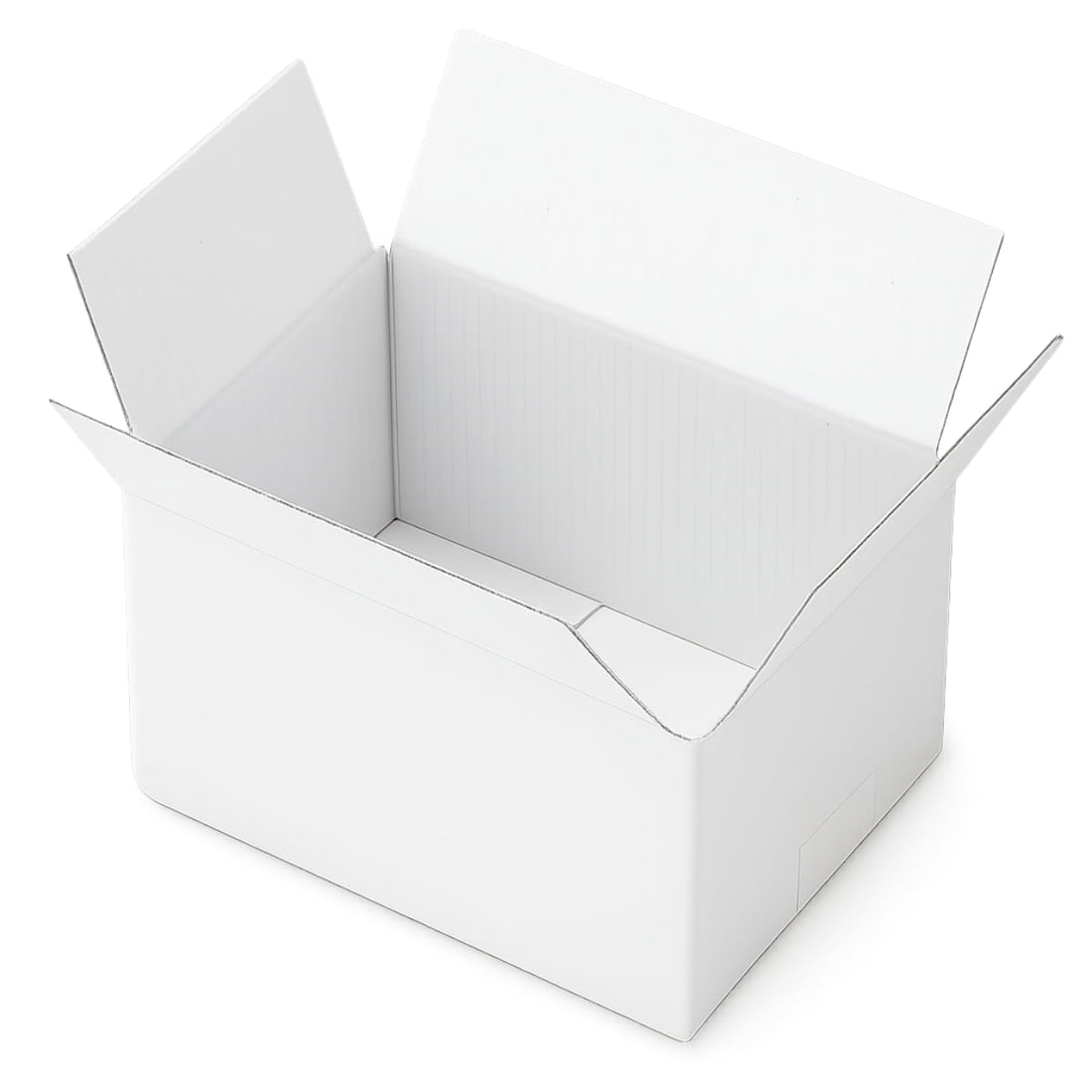
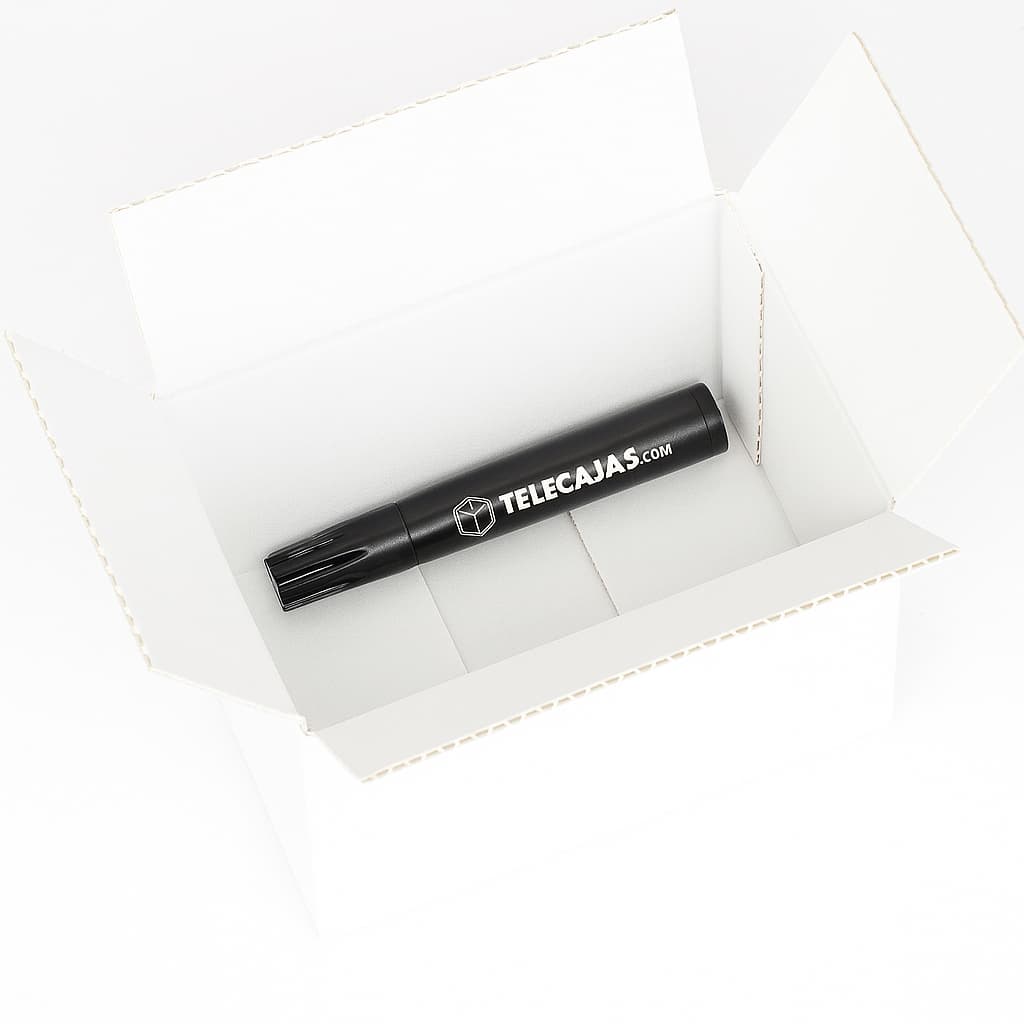
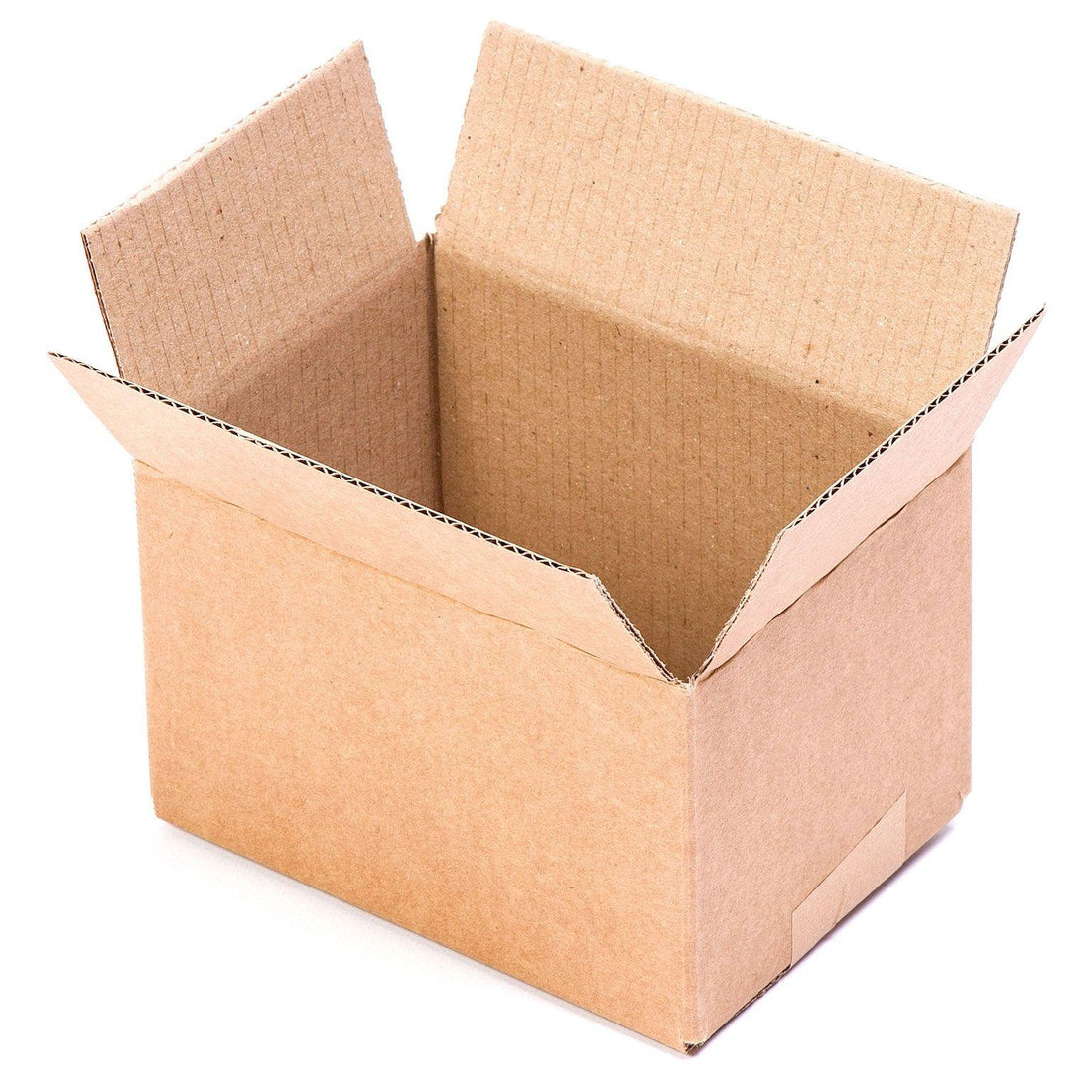
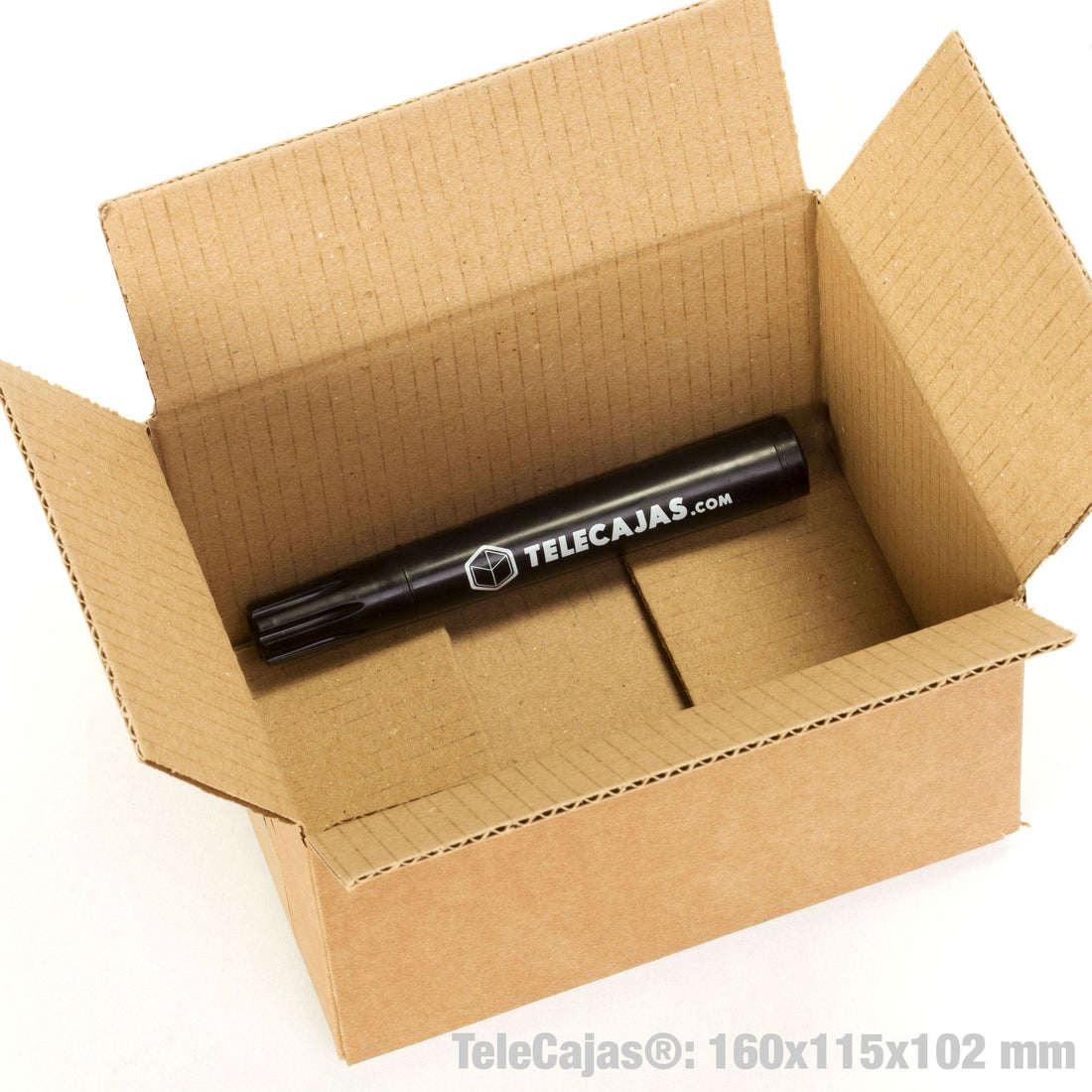
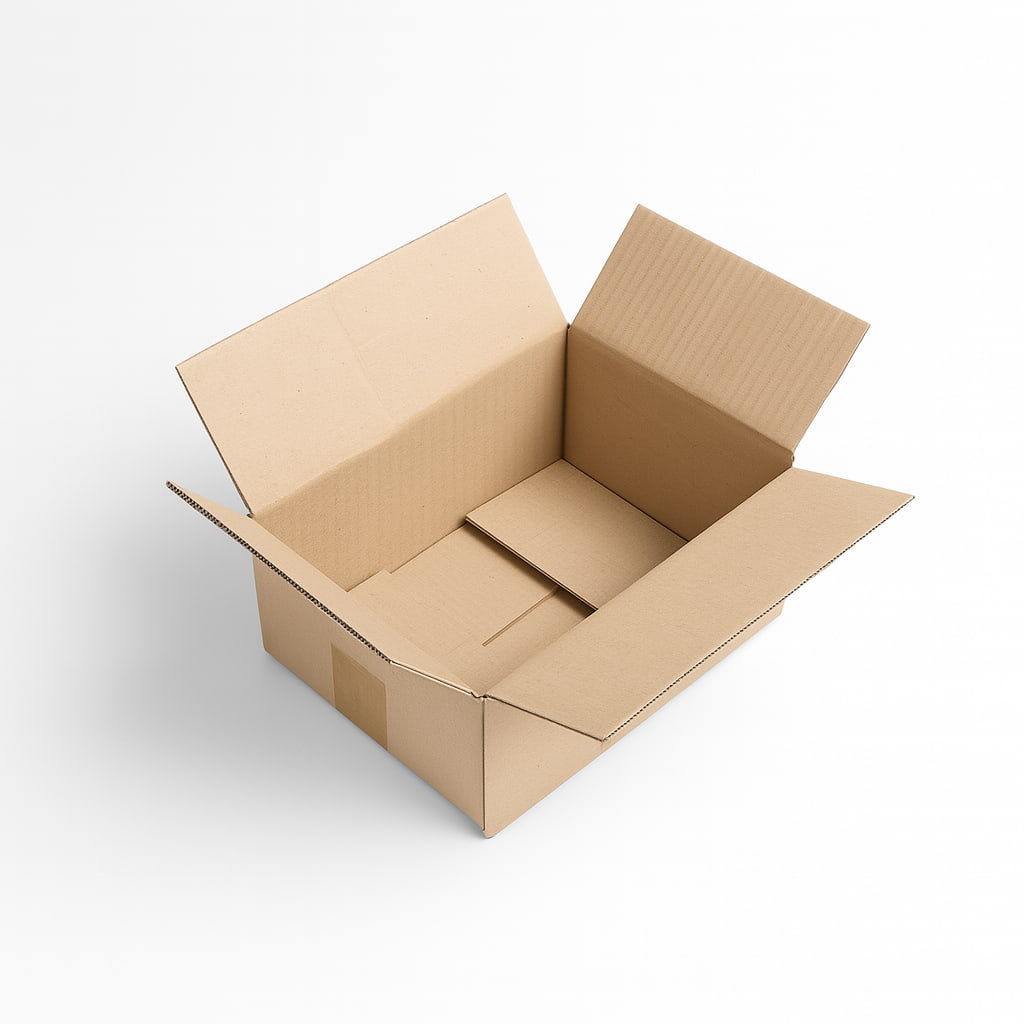
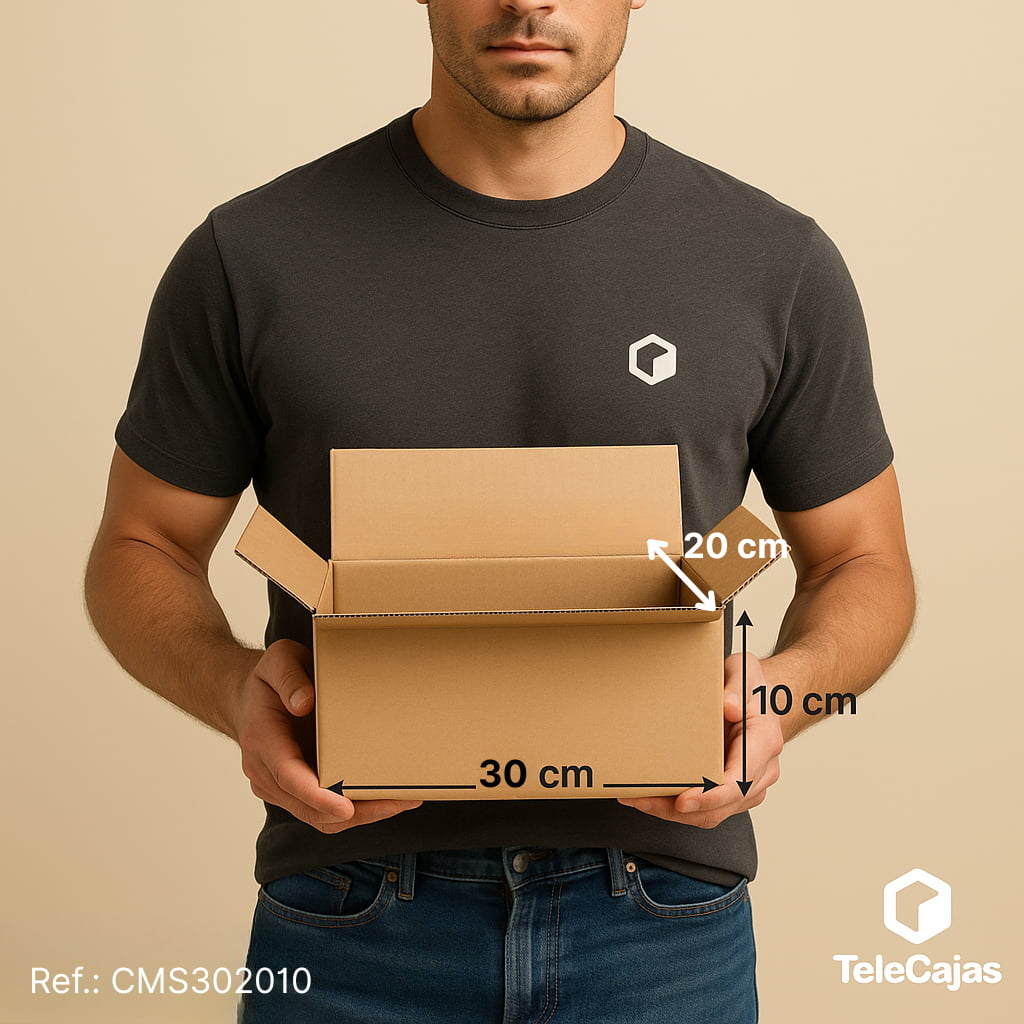
For a standard bottle, you can start with an individual box with an approximate interior of 36x11.7x11.7 cm. For two or three bottles, cases with handles offer a gift presentation. For six or twelve units intended for transport, use a box with grid dividers that keep each bottle in its own slot. The previous guide on how to pack wine bottles for shipping details protection and sealing step-by-step.
The indicated capacity does not replace measurement. A 75 cl Bordeaux, a Burgundy, a sparkling wine bottle, and a liquor bottle can have different diameters and heights. Always measure the widest and tallest bottle in the batch, including cork, capsule, and any decorative wrapping.

Table of boxes for 1, 2, 3, 6 and 12 bottles
| Capacity | TeleCajas Format | Reference measurement | Main use |
|---|---|---|---|
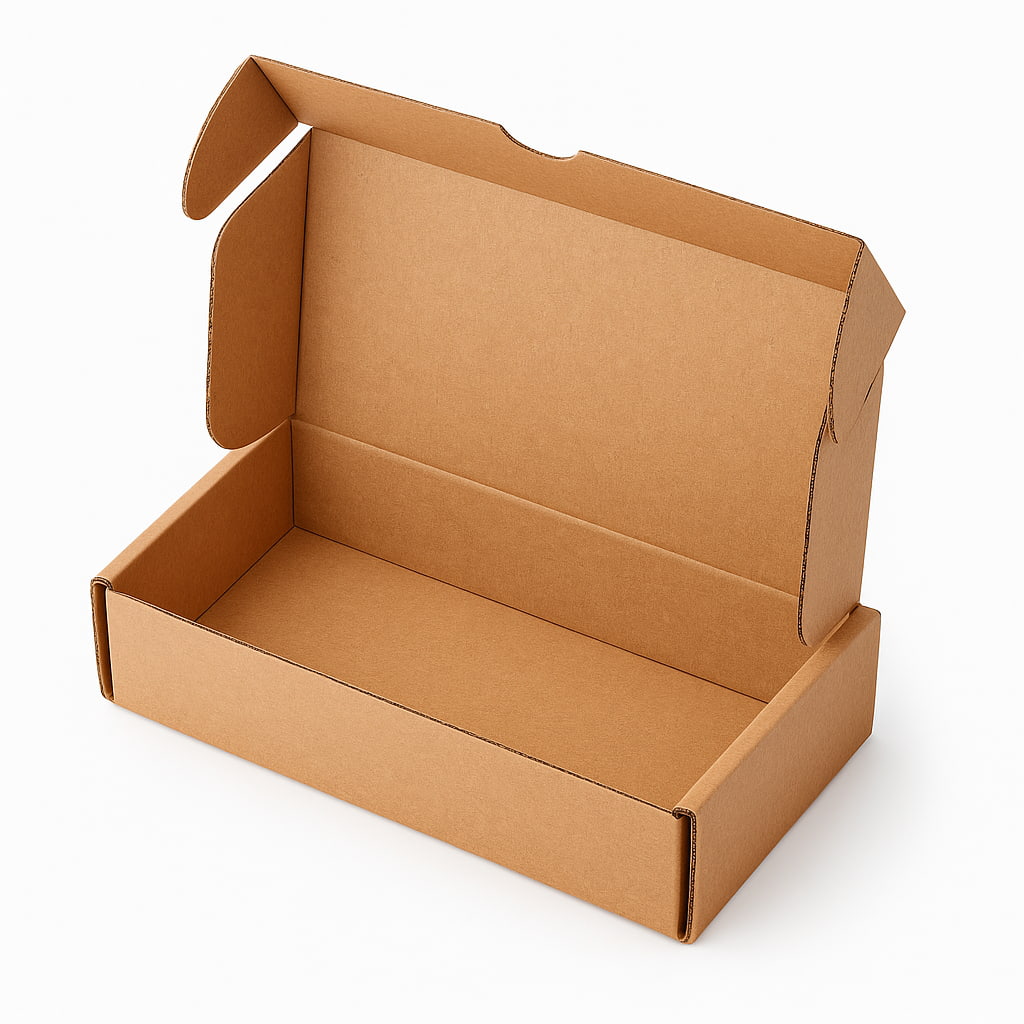
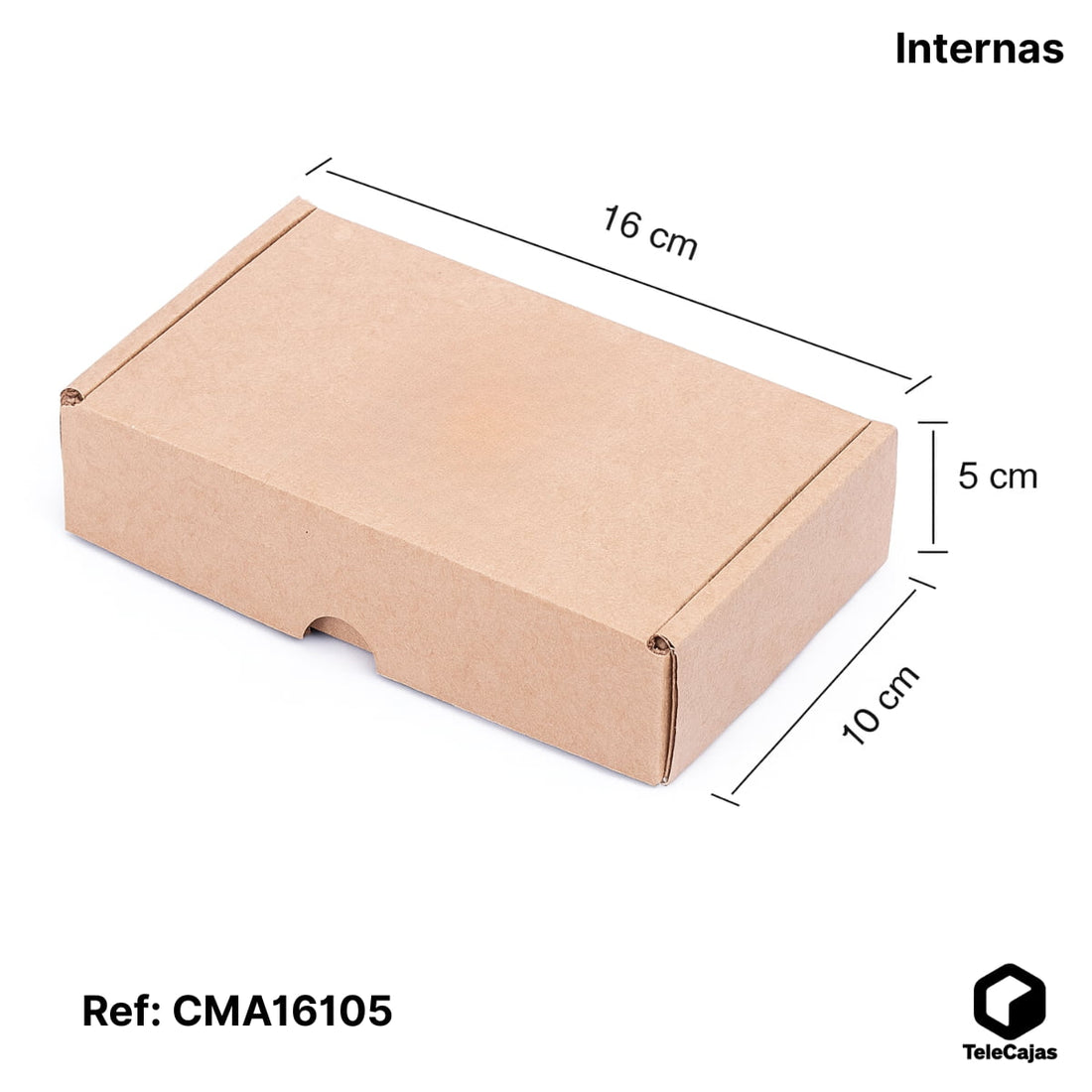
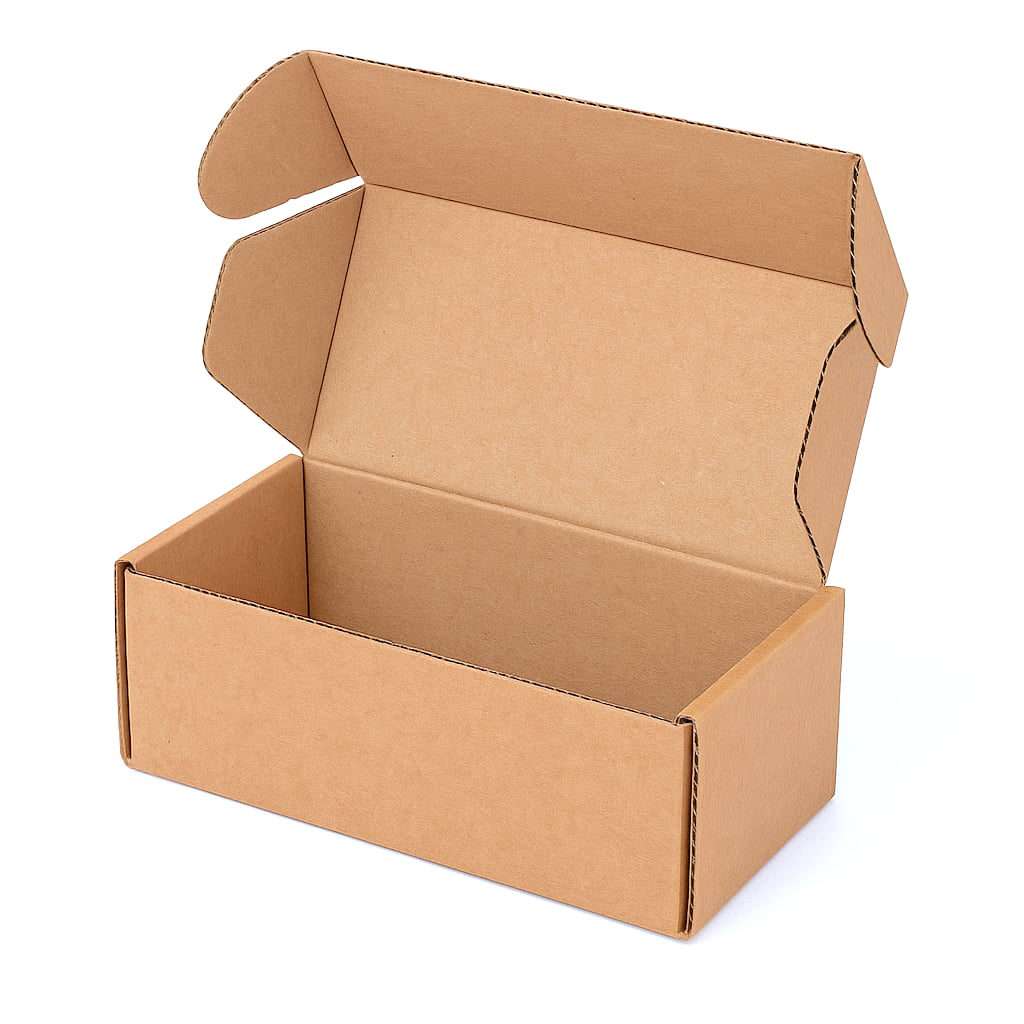
| 1 bottle | Self-assembling postal box | Interior 36x11.7x11.7 cm | Individual shipping with added protection |
| 2 bottles | White case with handle | Approx. 18.2x9x34.1 cm assembled | Gift and hand delivery |
| 3 bottles | White case with handle | Interior approx. 26x8.5x33 cm | Gift and commercial presentation |
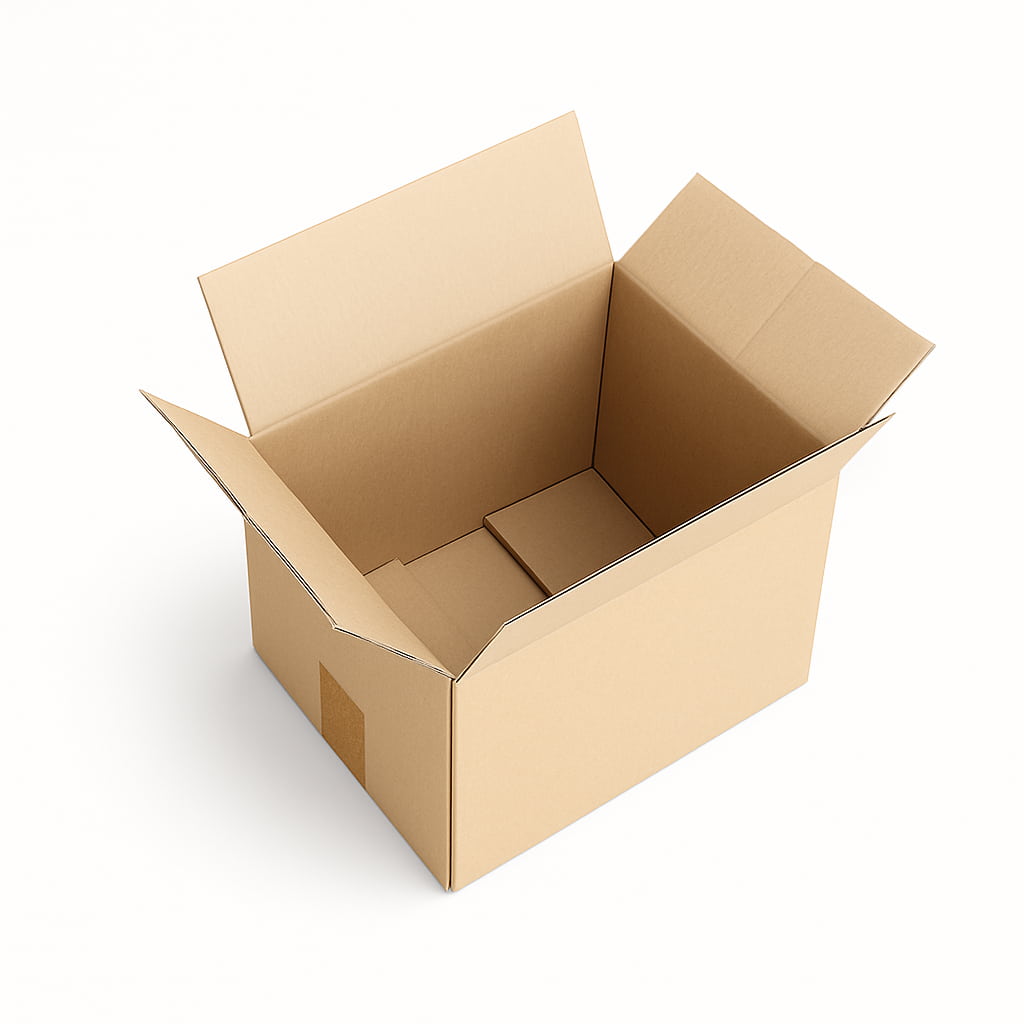
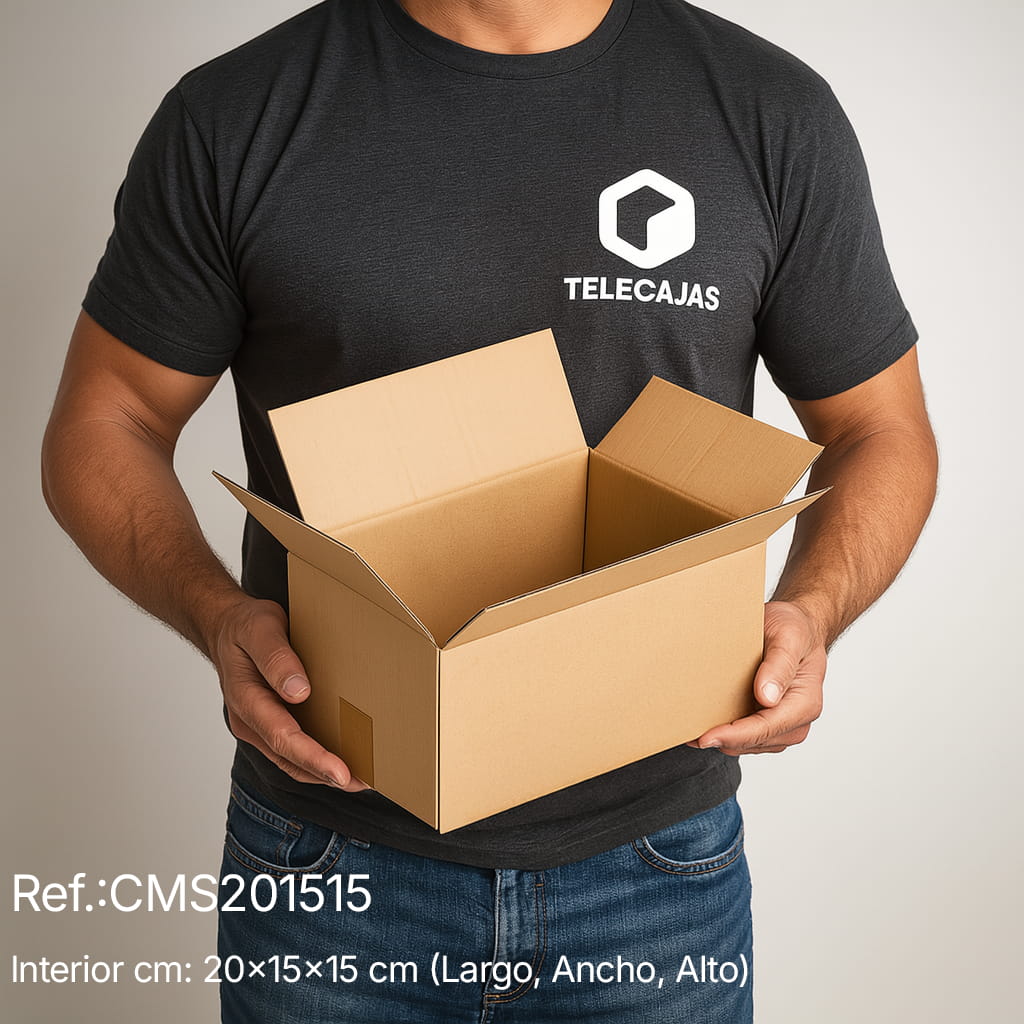
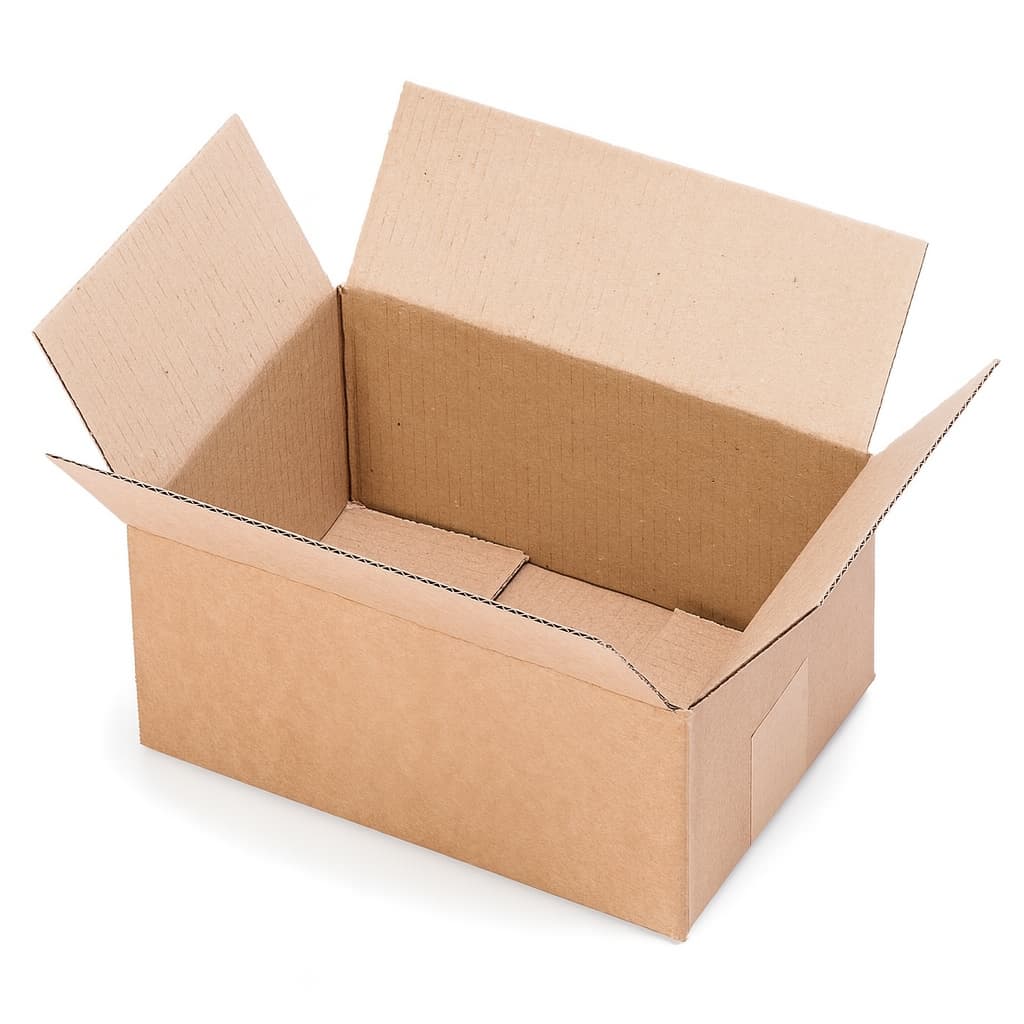
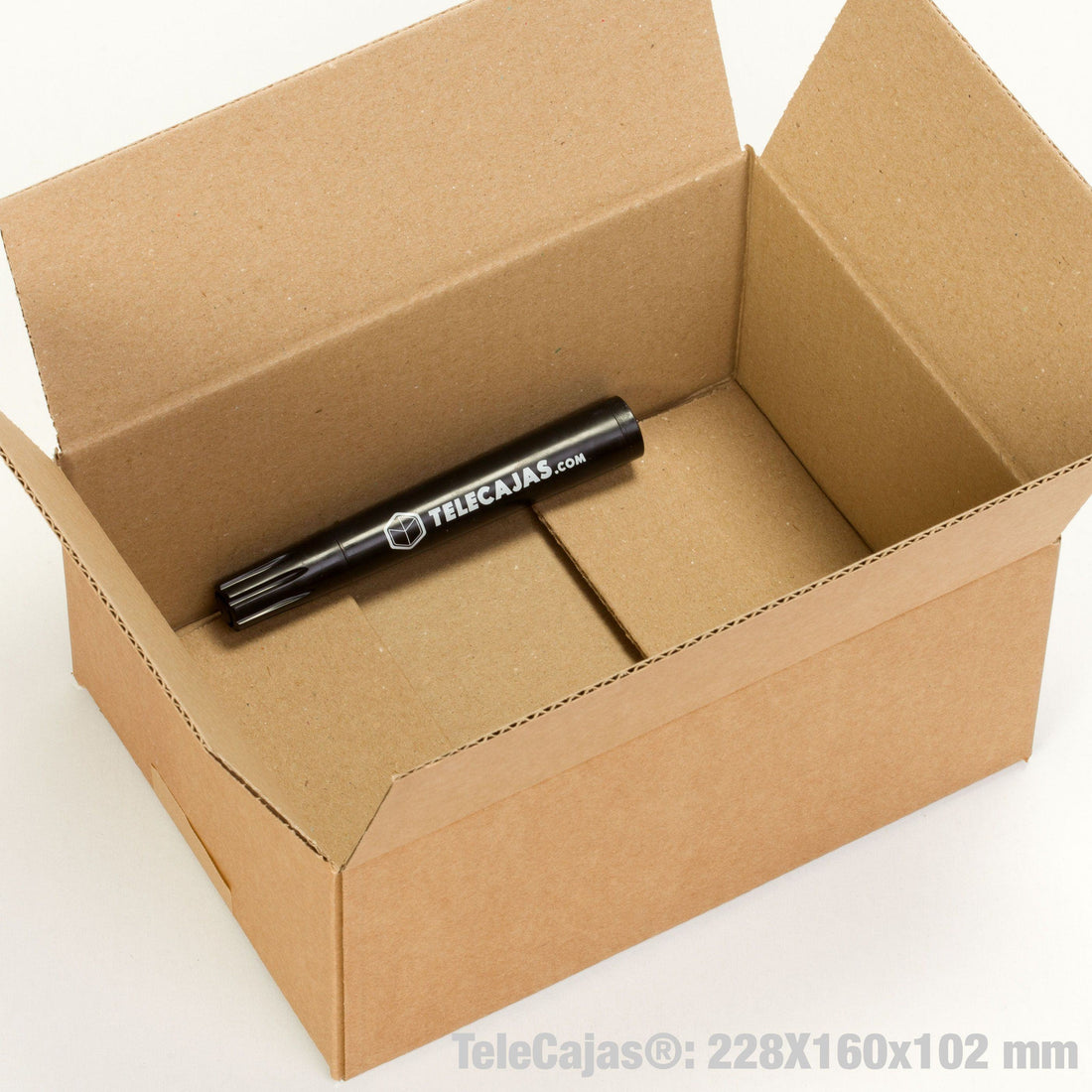
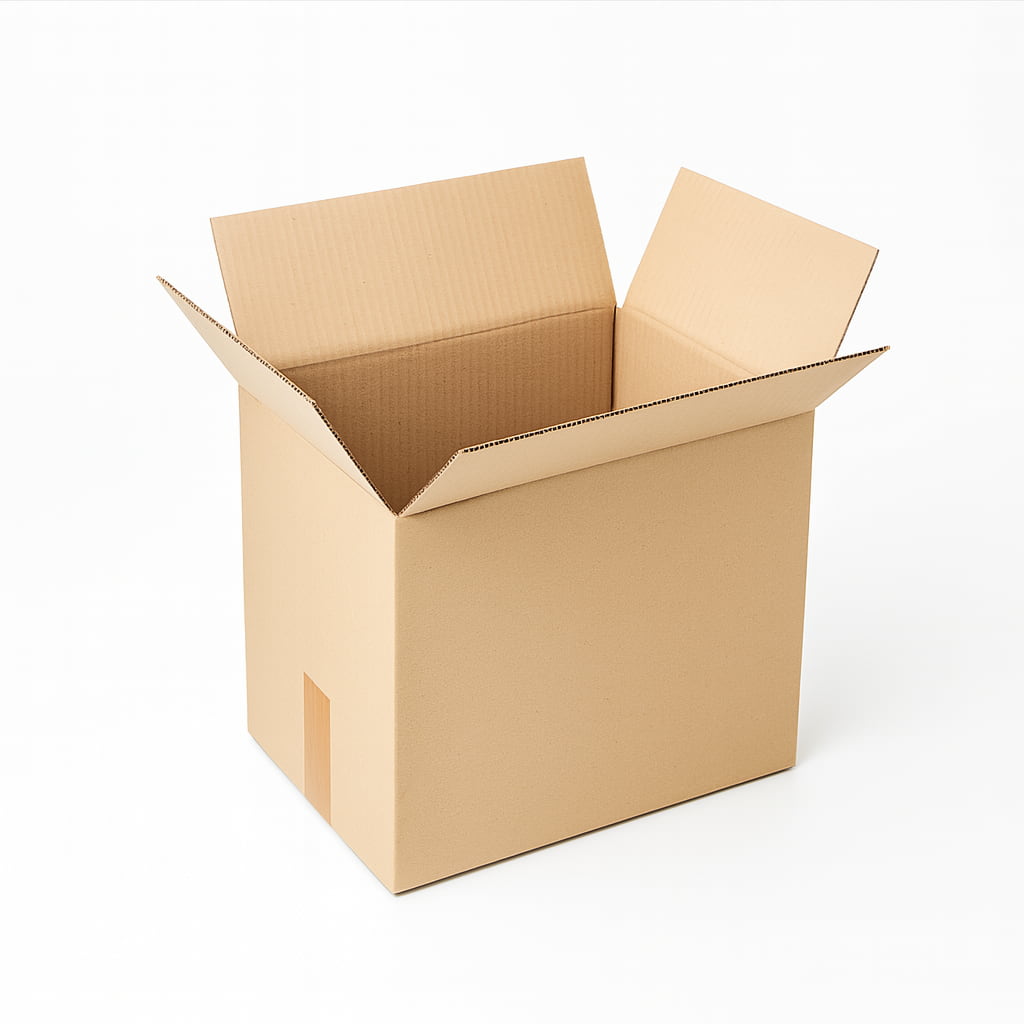
| 6 bottles | Flap box with grid | Interior 23.5x15.5x31.5 cm | Transport of standard Bordeaux bottles |
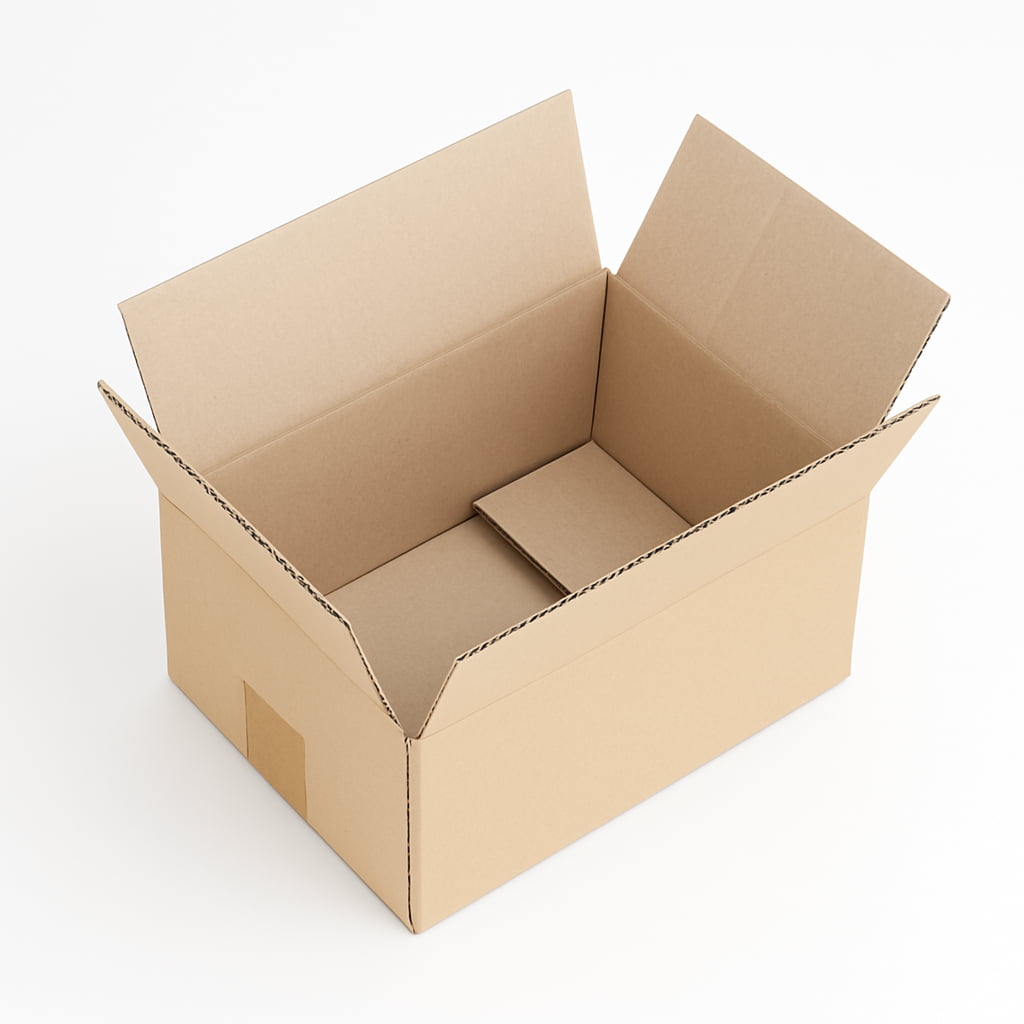
| 12 bottles | Flap box with grid | Interior approx. 31.8x24.6x31.7 cm | Transport and storage |
| Mixed batch | Large gift box | 36.5x26.5x34.5 cm | Bottles and gourmet products |
Measurements are from product datasheets and plans reviewed on August 9, 2026. Before purchasing, check the current datasheet and compare the usable interior with your actual bottles.
One bottle: elongated box and perimeter protection
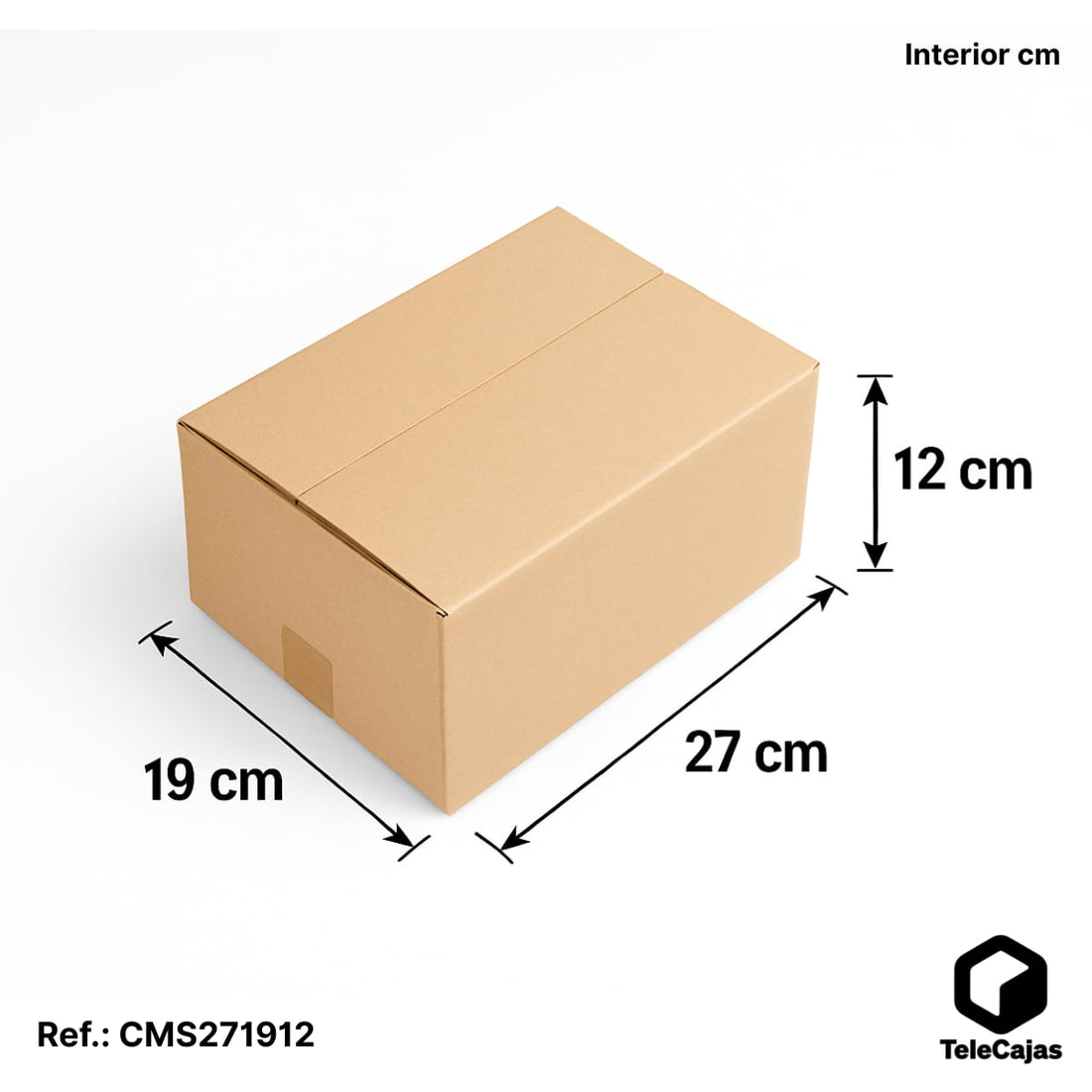
The 36x12x12 cm self-assembling postal box offers an approximate interior of 36x11.7x11.7 cm. It can be used for a standard bottle, provided that the diameter and height of the already protected unit fit with controlled clearance.
Create a cushioning base, wrap the bottle, and especially protect the bottom, shoulders, and neck. Fill any gaps to prevent it from rolling or moving longitudinally. If the contents can spill, add a waterproof bag: cardboard protects against impacts, but does not contain a leak.
Two and three bottles: gift case or transport packaging
The white case for two bottles and the case for three bottles are designed for a clean presentation, with a handle and assembly without tape. They accommodate standard bottles indicated in their datasheets, such as Bordeaux or Burgundy, but you should check wider variations.
For hand delivery, the case can be the visible packaging. For travel through a parcel network, presentation and transport are not always the same: it may be necessary to place the case inside an outer box, immobilize it, and protect it from impacts and moisture according to the carrier's conditions.
Six and twelve bottles: each unit needs its compartment
A box for several bottles should not become a single space full of glass. The box for six bottles includes dividers and has an approximate interior of 23.5x15.5x31.5 cm. The box for twelve bottles offers about 31.8x24.6x31.7 cm interior with a grid.
Dividers reduce lateral contact, organize the load, and better distribute movements. They do not replace upper and lower cushioning when the journey or the value of the product requires more protection. Make sure the grid is in position and not folded under a bottle.

How to know if your bottle really fits
- Measure the total height from the base to the top of the cork or capsule.
- Measure the diameter at the widest point, not just the central body.
- Add the thickness of the wrapping, the waterproof bag, and the planned protections.
- In grid boxes, compare that protected diameter with each individual cell.
- Assemble a test unit and check closure, stability, and final weight.
If you combine formats, size according to the largest bottle. Do not force a sparkling wine bottle into a space calculated for a Bordeaux. A box that bulges or whose flaps do not close has stopped working as designed.
Gourmet batches: separate glass, food, and heavy items
A batch mixes weights, shapes, and materials. The large box for batches of 36.5x26.5x34.5 cm allows combining bottles, cheeses, preserves, and sweets. The challenge is not to fill the volume, but to prevent heavy products from crushing or hitting delicate ones. If it includes food, also consult the guide on food packaging materials and regulations.
- Place the heaviest items at the base and keep the center of gravity low.
- Separate glass with dividers or filler blocks that cannot shift.
- Protect containers, lids, and labels from scuffs and possible leaks.
- Use batch boxes for presentation and add outer packaging when transport requires it.
- Fill to eliminate movement, without exerting pressure that deforms the food.

How to seal a bottle box for transport
First check the bottom. In flap boxes, apply packing tape over the central joint and the two edges, forming an H. Repeat the pattern on top and reinforce if the weight and box datasheet recommend it. Do not entrust the sealing of a glass load to narrow stationery tape.
Label the package on its flattest side and avoid covering codes with folds. A fragile sticker helps identify the content, but it does not compensate for a weak box or replace dividers and protection.
Before shipping wine, oil or liquor
Check the current conditions of the transport company and the destination. The admission of alcohol, liquids, glass, and food may vary by operator, service, country, and type of sender. The fact that a bottle fits in a box does not prove that the shipment is allowed or that there is coverage for damages.
Document the condition of the bottles, the batch or vintage, the interior protection, the seal, and the label. Weigh and measure the finished package, because twelve bottles generate a considerable load even before adding cardboard and protection.
Complete the batch preparation
To budget for cardboard, dividers, filler, tape, and time, apply the guide on ecommerce order packaging cost. Before delivering the package, use the checklist for sealing, photographs, and evidence. If the batch includes items with other shapes, refer to the general guide for choosing the box size based on the already protected item.
Frequently asked questions
What box do I need to ship a wine bottle?
An individual box whose interior accommodates the already protected bottle. As a reference, TeleCajas has a format with an approximate interior of 36x11.7x11.7 cm. Check actual height and diameter.
Do cardboard dividers prevent all breakages?
No. They prevent contact between bottles, but the box must be sturdy, well-sealed, and have upper and lower protection when necessary.
Can I ship sparkling wine in a wine box?
Only if the already protected bottle fits in height and diameter. Many sparkling wine bottles are wider or have a different geometry than a standard Bordeaux.
Is a gift case suitable for courier delivery?
It may need an outer box. The case prioritizes presentation and delivery; check its resistance and the carrier's requirements before exposing it directly to the parcel network.
How do I pack a batch with bottles and food?
Place heavy products at the bottom, separate glass, protect each container from leaks, and fill gaps without crushing delicate items.
In summary
For one, two, or three bottles, you can choose individual formats or presentation cases; for six or twelve, use boxes with grid dividers. Measure the largest protected item, differentiate between gift and transport, and consult the carrier before shipping liquids or alcohol. In wine bottle boxes you can compare each capacity and its current datasheet.
Measurements and availability reviewed in TeleCajas datasheets on August 9, 2026. Verify product and carrier conditions again before preparing a shipment.