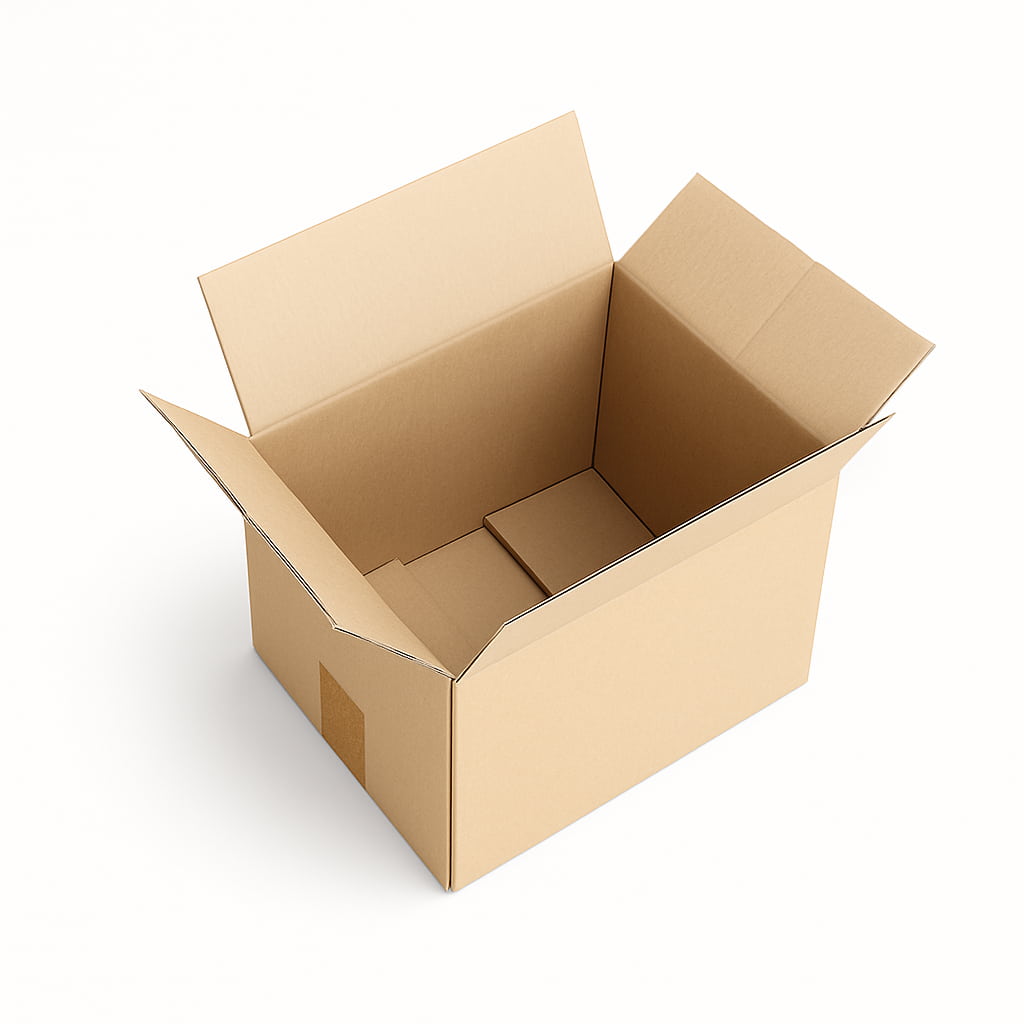
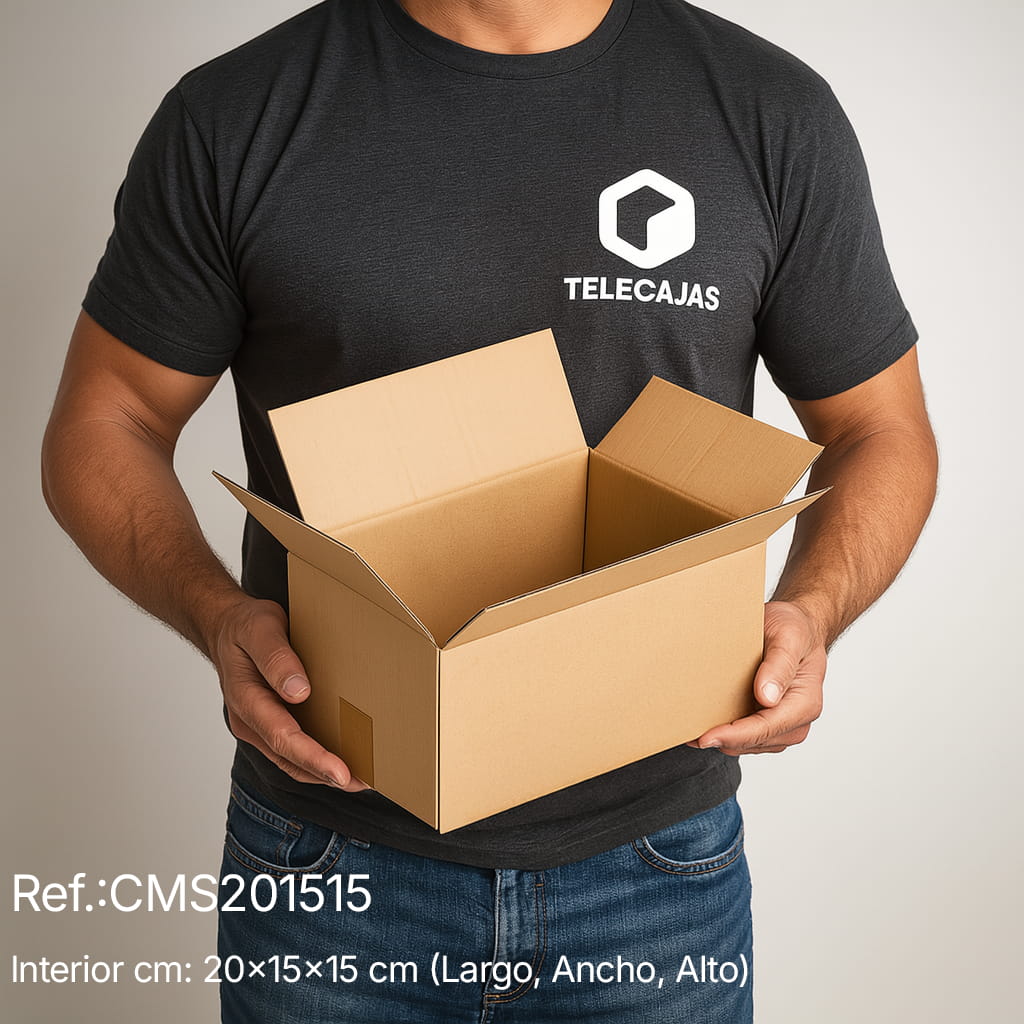
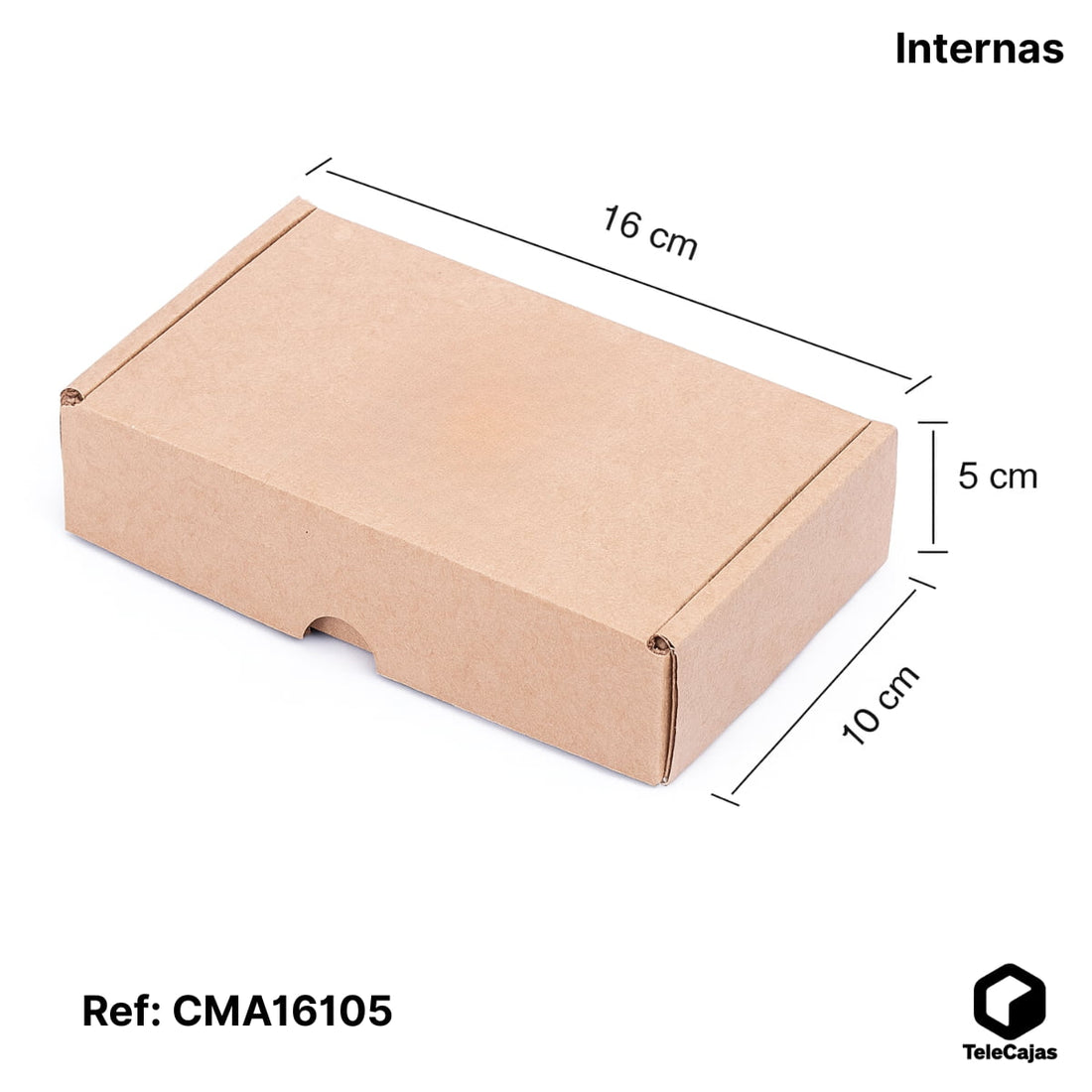
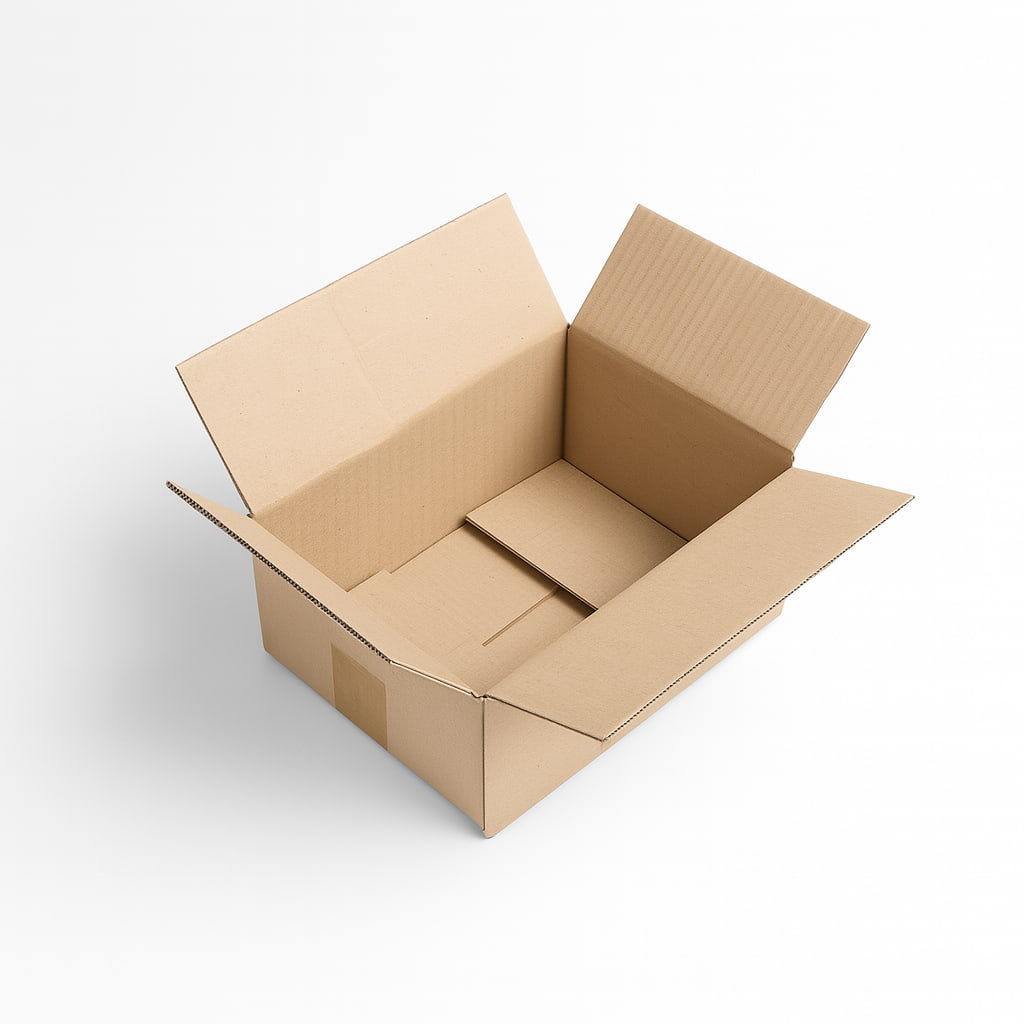
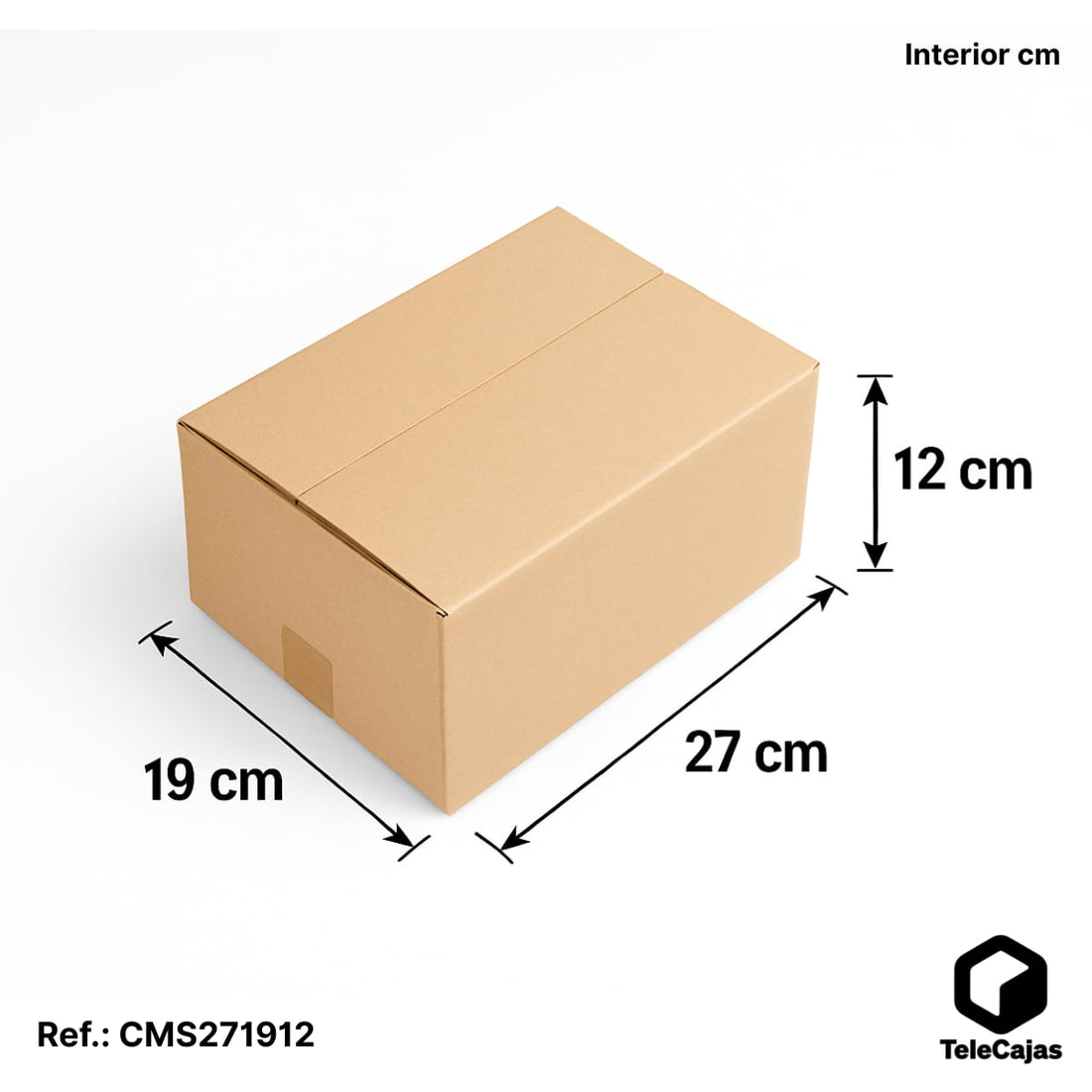
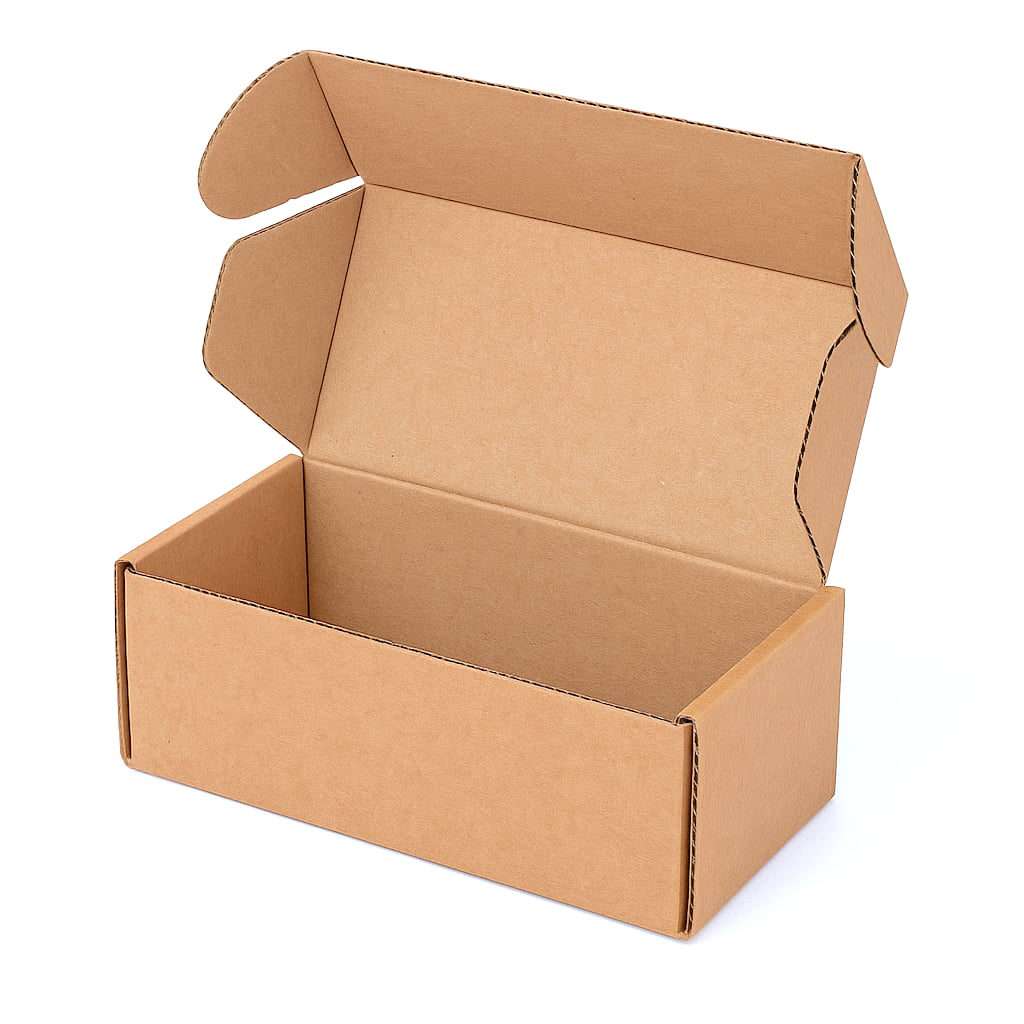
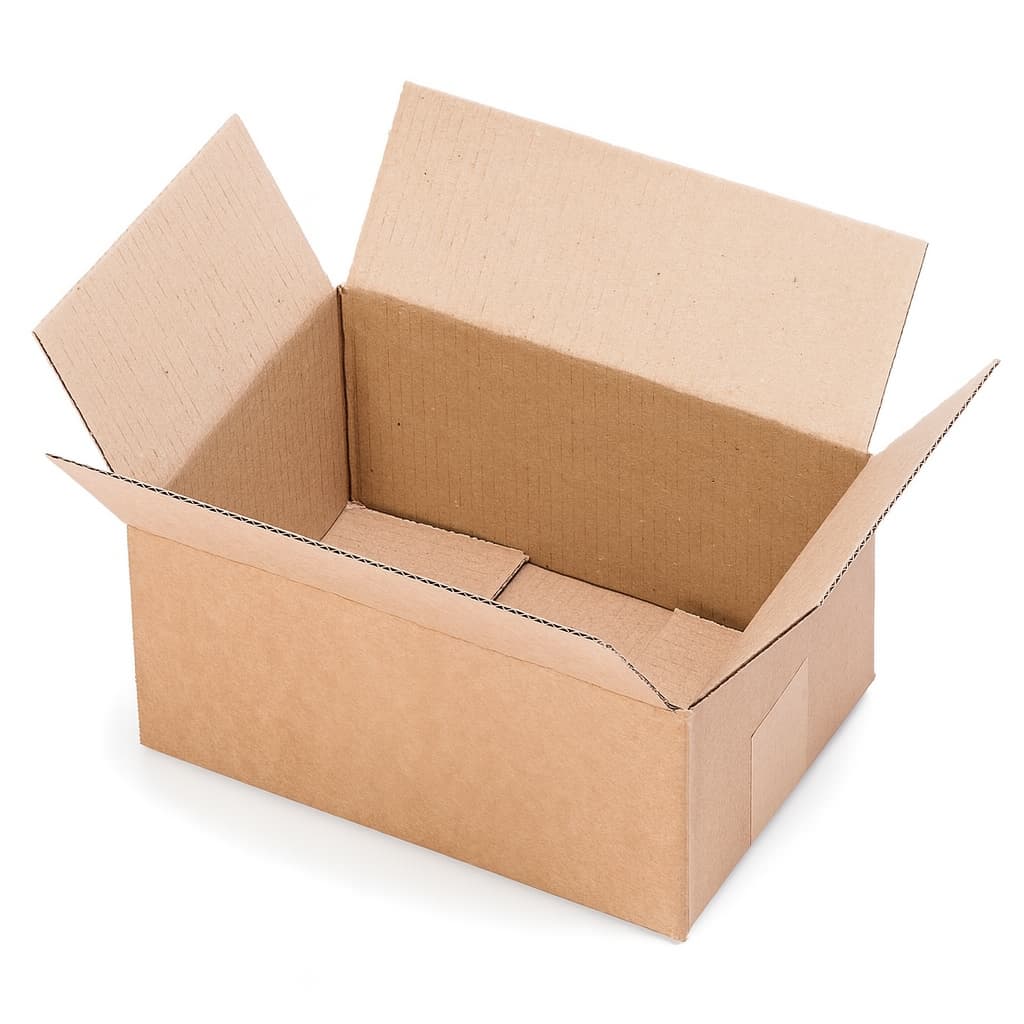
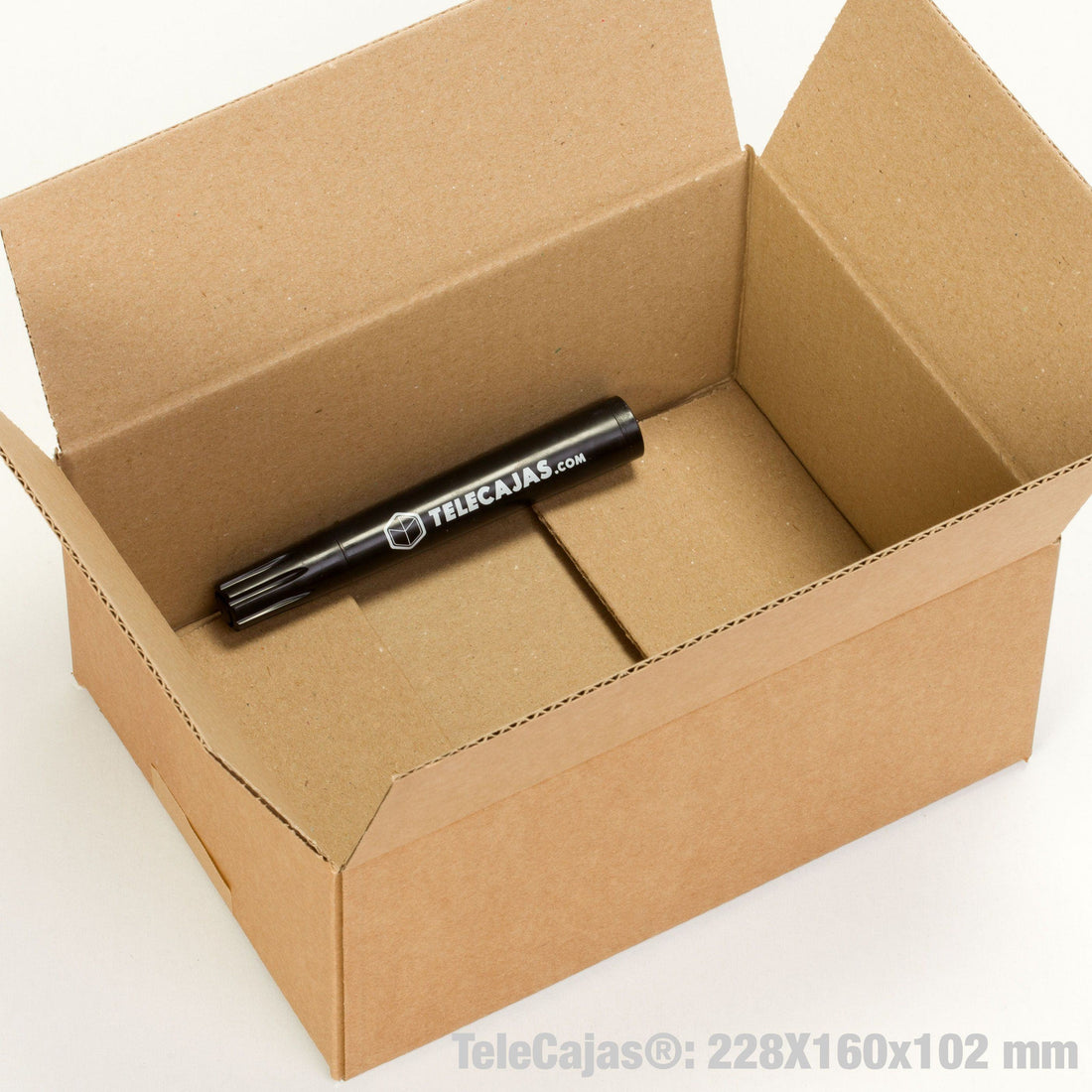
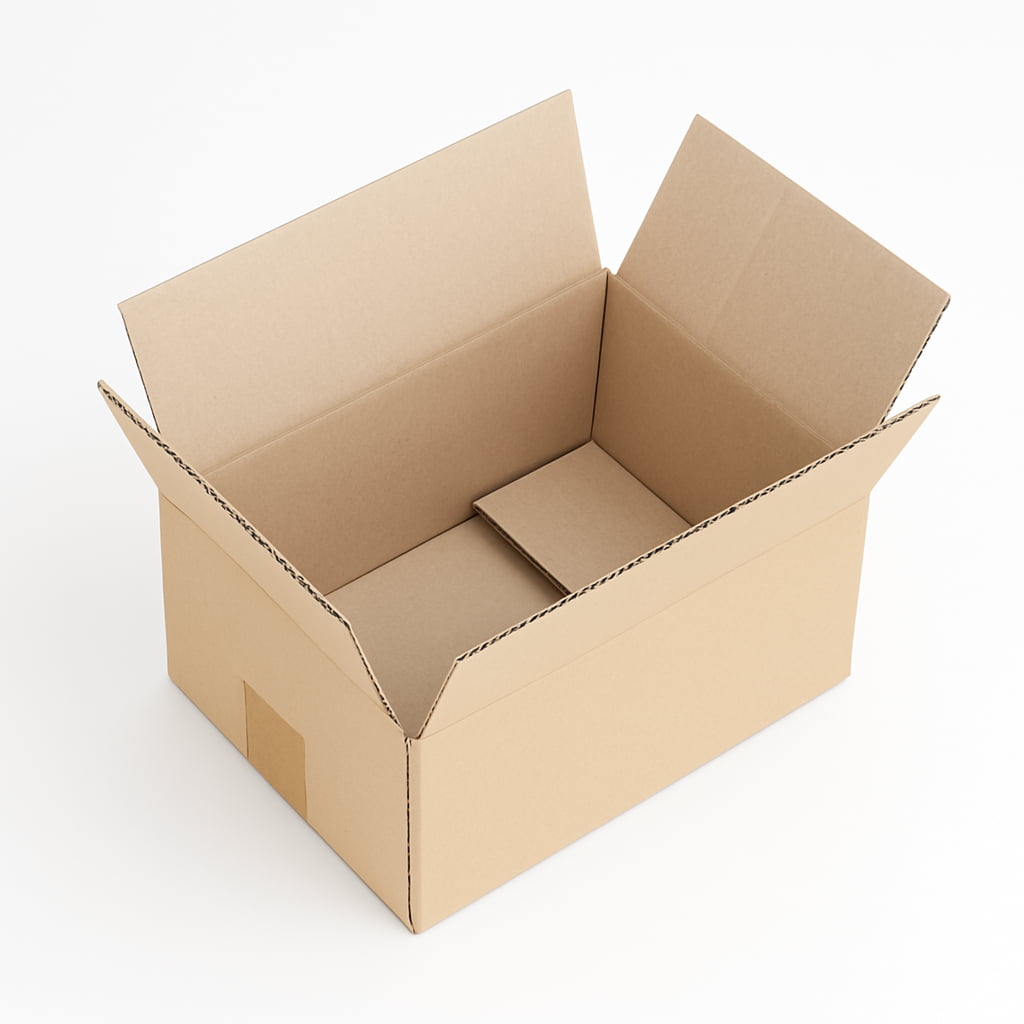
Buying moving boxes seems simple, but it's easy to get it wrong. Many people buy too few boxes, choose impractical sizes, or forget about protective material until the last minute. The other classic mistake: blindly buying from a huge catalog and then finding out the box isn't suitable for moving or doesn't arrive on time.
In this guide, we review the most common mistakes when preparing moving packaging and how to avoid them to save time, money, and stress.

1. Estimating boxes "by eye"
One of the most common mistakes is estimating the number of boxes without considering the size of the home, the number of bedrooms, the number of people living in the house, or the years spent accumulating belongings.
Before buying, it's a good idea to make a more realistic estimate. For this, you can use TeleCajas' free moving box calculator, which helps you guide your purchase based on your home and the volume of your belongings.
2. Buying too many large boxes
Large boxes seem more convenient, but they are not always the best option. If you fill them with books, dishes, files, or tools, they can become too heavy and difficult to move.
Reserve large boxes for textiles, cushions, light clothing, decorations, or bulky items that are not too heavy.
3. Not using small boxes for heavy items
Books, plates, documents, tools, and dense objects should go in small or reinforced boxes. This makes them easier to transport and reduces the risk of breakage.
A good combination of small, medium, and large boxes usually works better than buying a single size for the entire move.
Don't skimp on quality for heavy items: the 60x40x40 cm double-wall box holds up better than a single-wall one. For an entire apartment, start with moving packs and add the 60x40x40 with handles if you need more volume.

4. Forgetting protective material
Having boxes is not enough. You also need adhesive tape, bubble wrap, stretch film, packing paper, or dividers if you are going to pack fragile items.
Preparing this material from the beginning avoids urgent purchases when the move is already underway.
5. Not adding a safety margin
Even if you calculate well, forgotten items always appear: things from the storage room, drawers, attics, seasonal clothes, or kitchen utensils.
Adding a small safety margin helps you avoid running short right at the end, when there is usually less time to react.

6. Not labeling boxes by room
An unlabeled box might seem like a time-saver when packing, but it greatly complicates unloading and placement in the new home.
Label each box by room and, if you can, add a priority: open first, fragile, kitchen, bedroom, bathroom, or important documents.
7. Buying without planning the packing order
Not all boxes are prepared on the same day. Start with what you use least and leave essentials for last: daily clothes, documents, chargers, toiletries, and basic utensils.
Planning the packing order helps you make better use of boxes and avoid opening packages prematurely.
Calculate your boxes before buying
Avoid running out or buying too much. Use the calculator to get an estimated quantity based on your home, belongings, and safety margin.