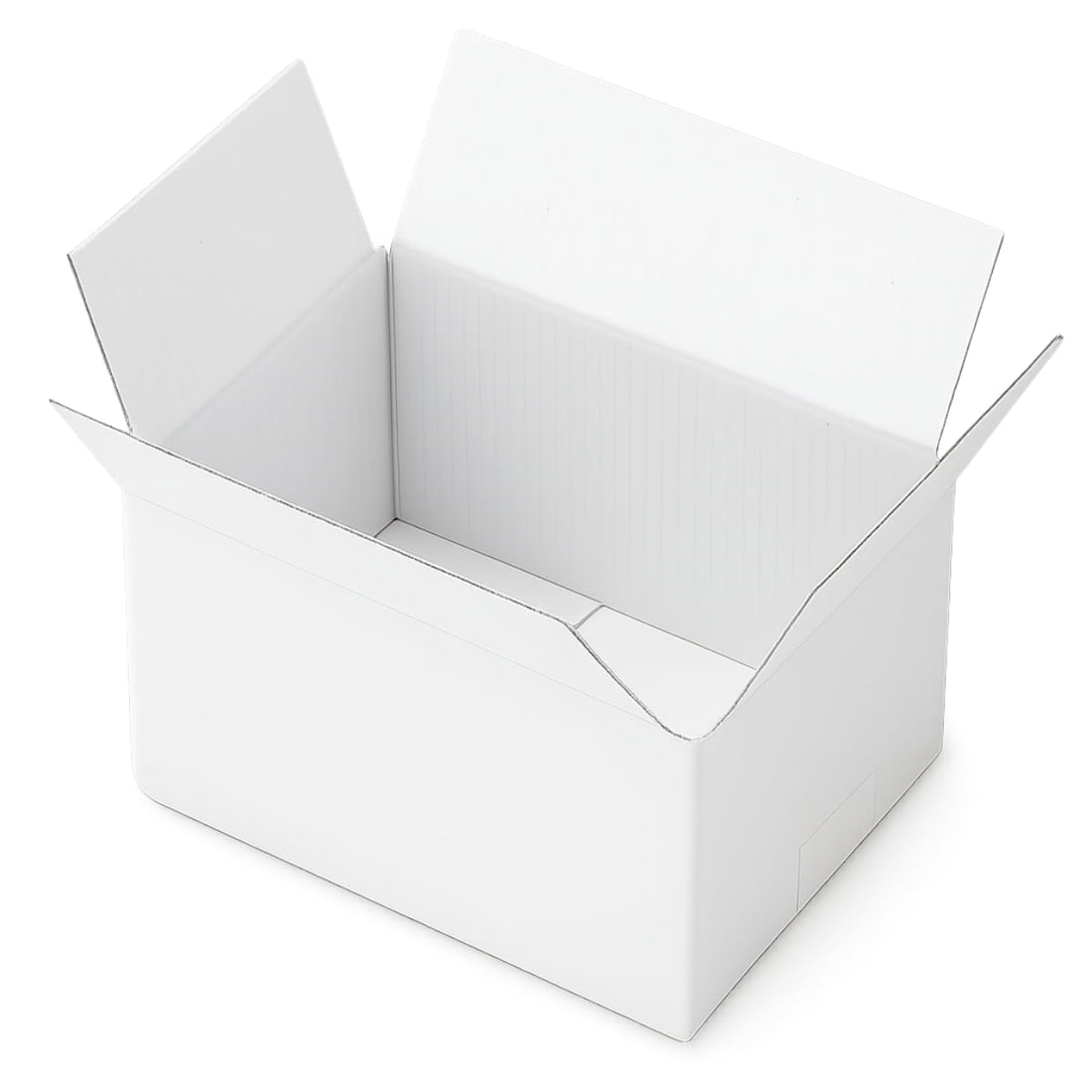
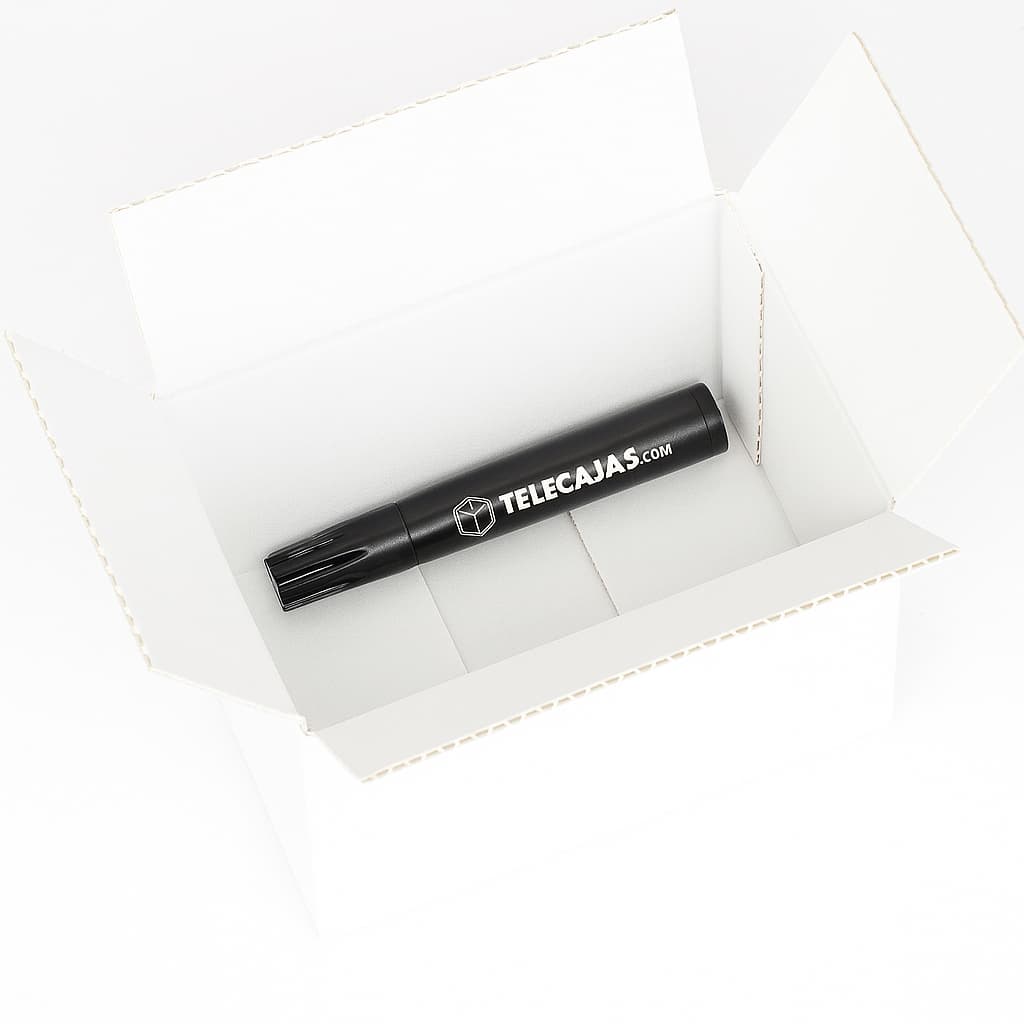
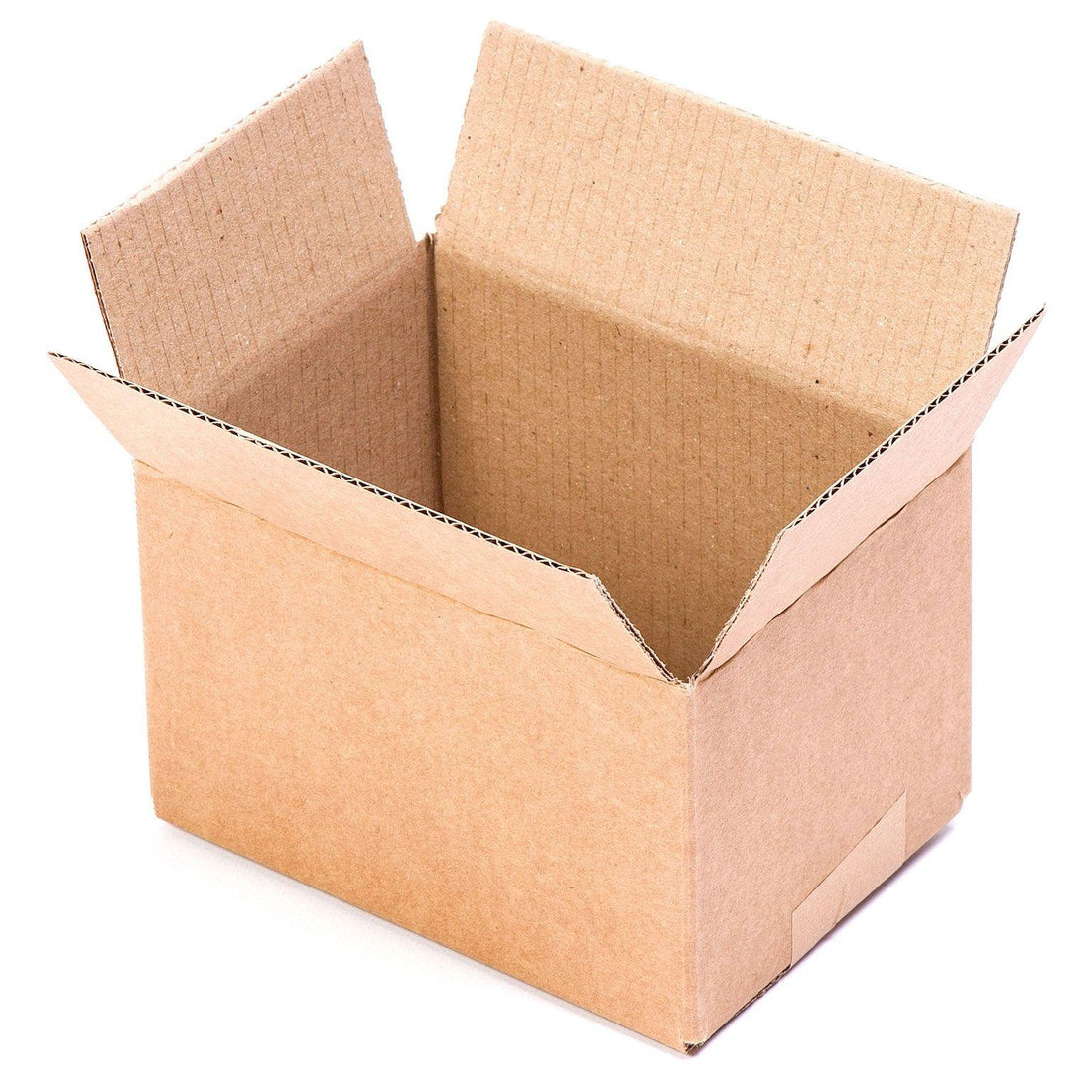
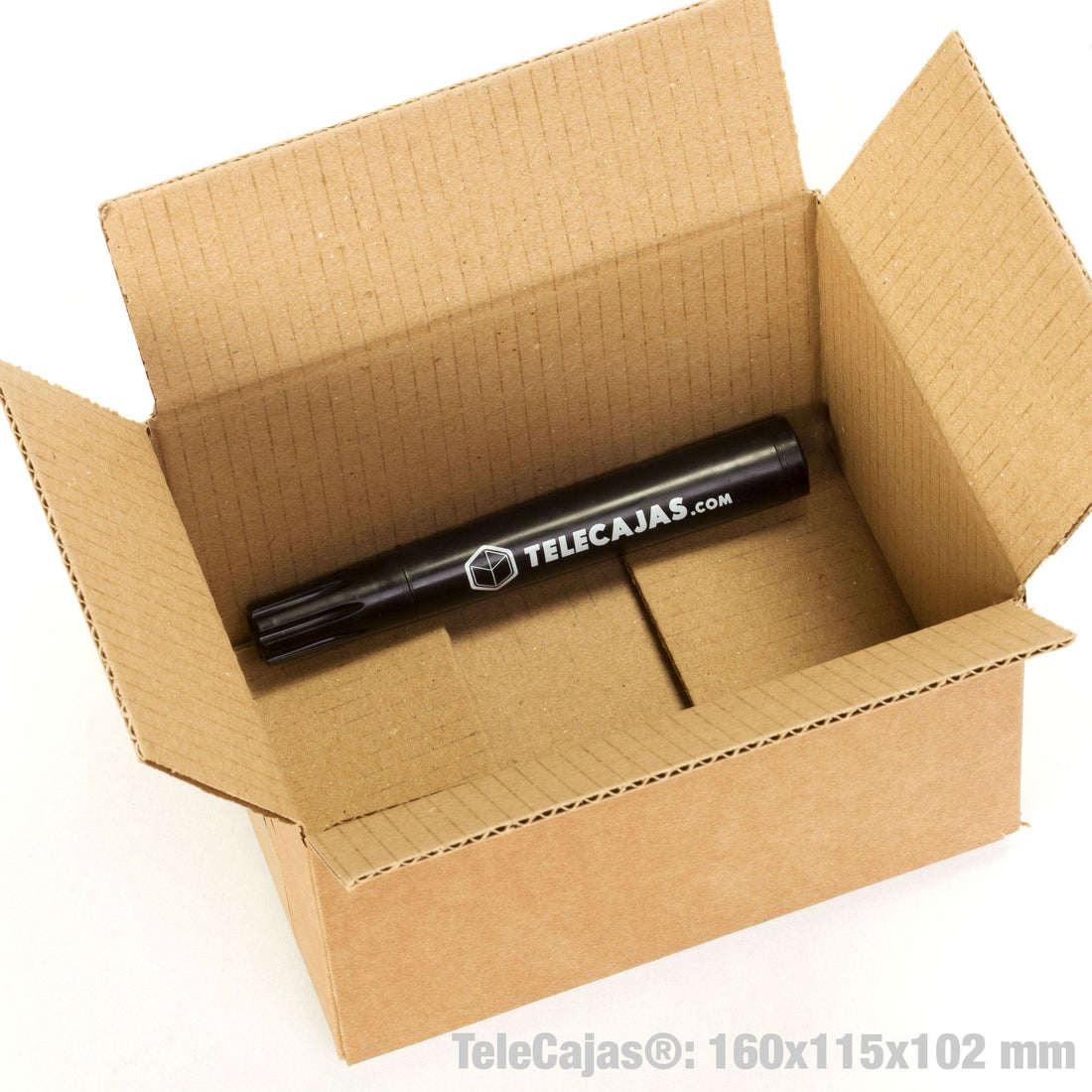
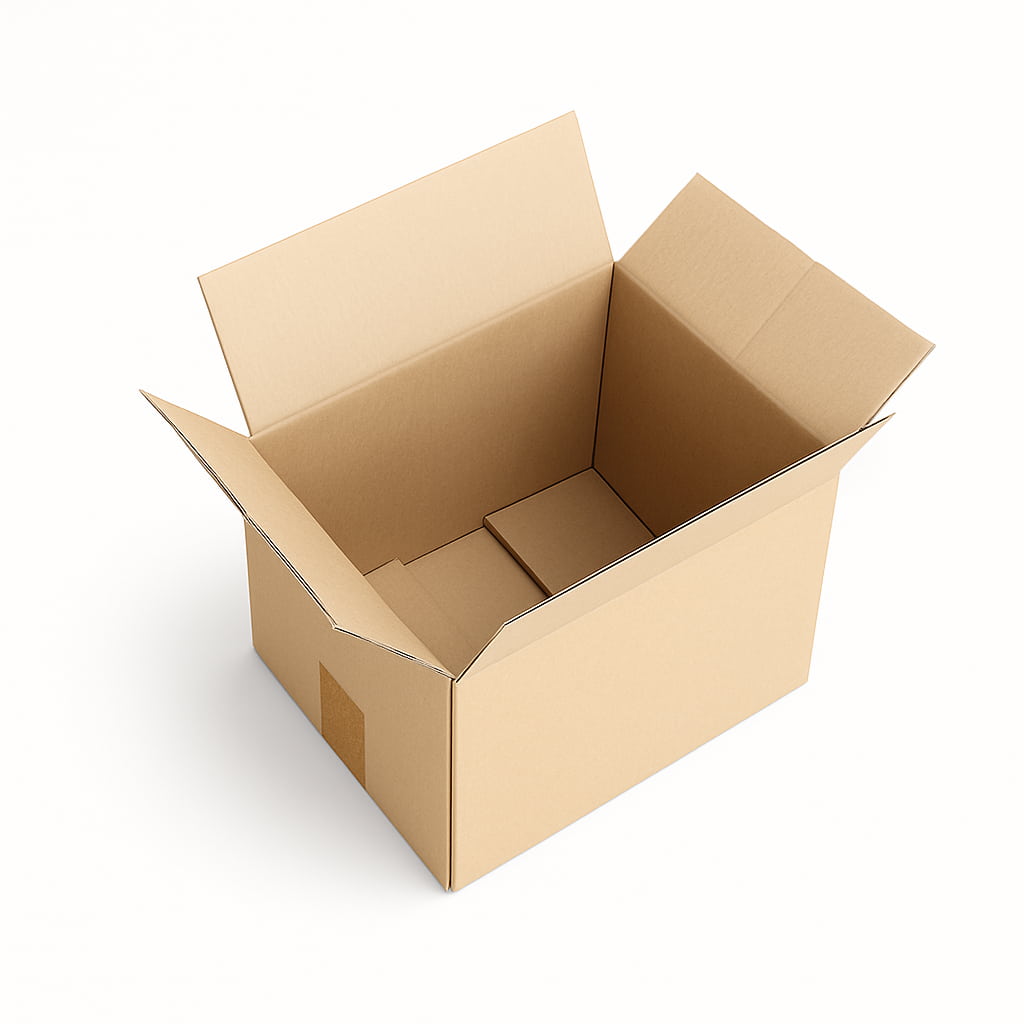
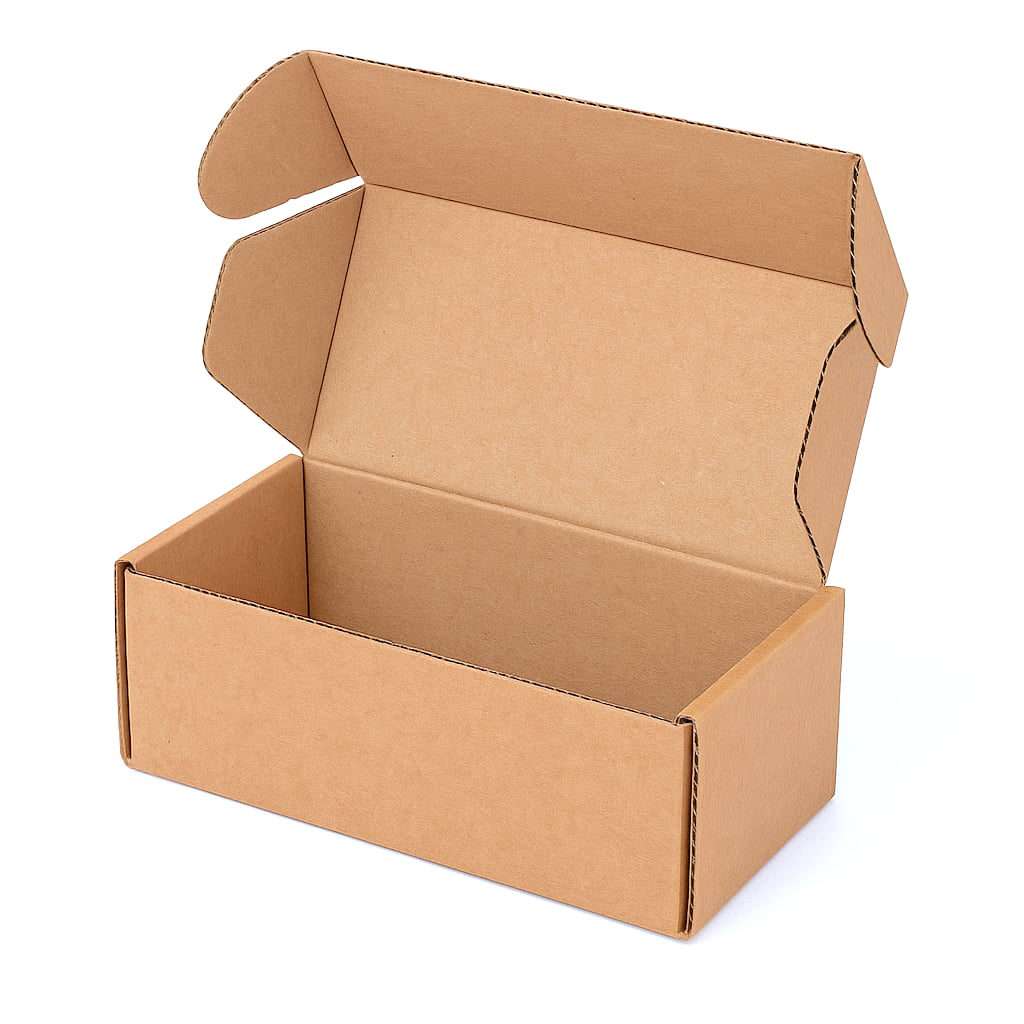
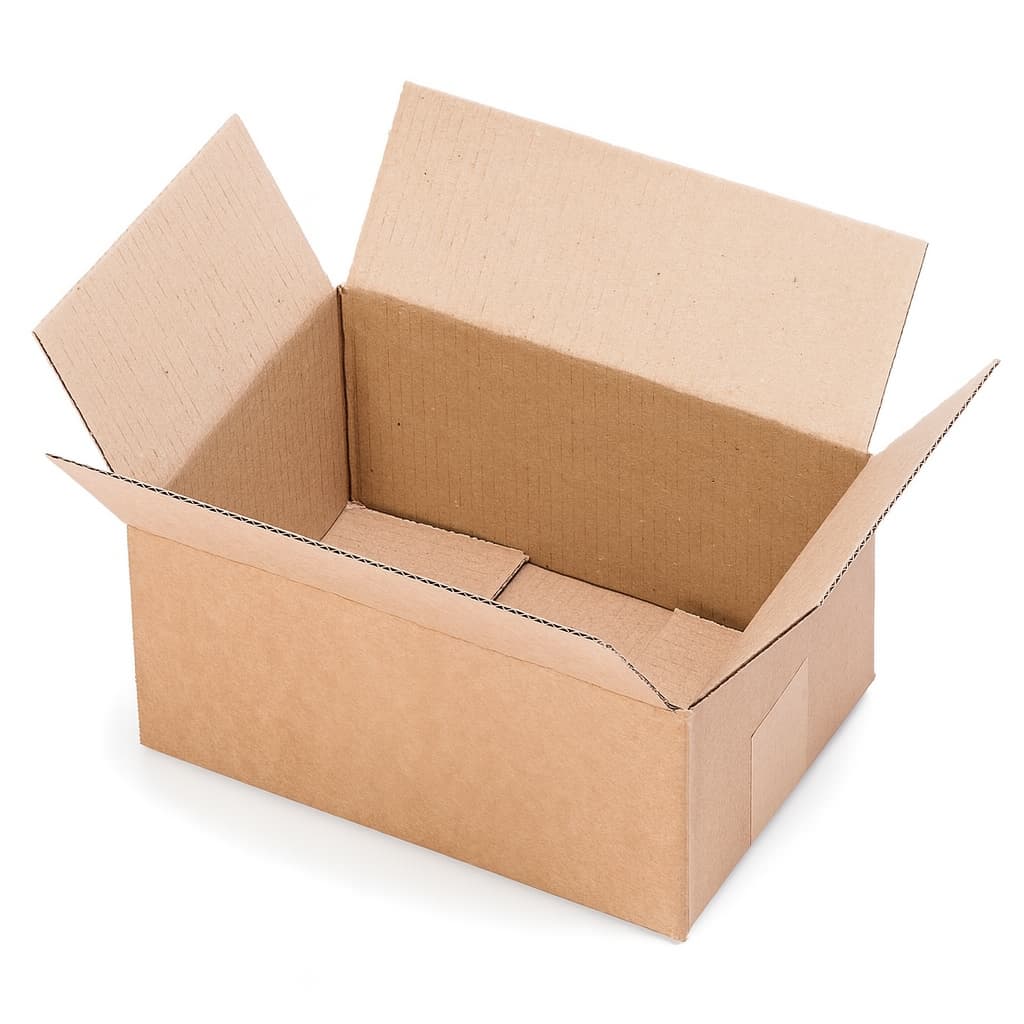
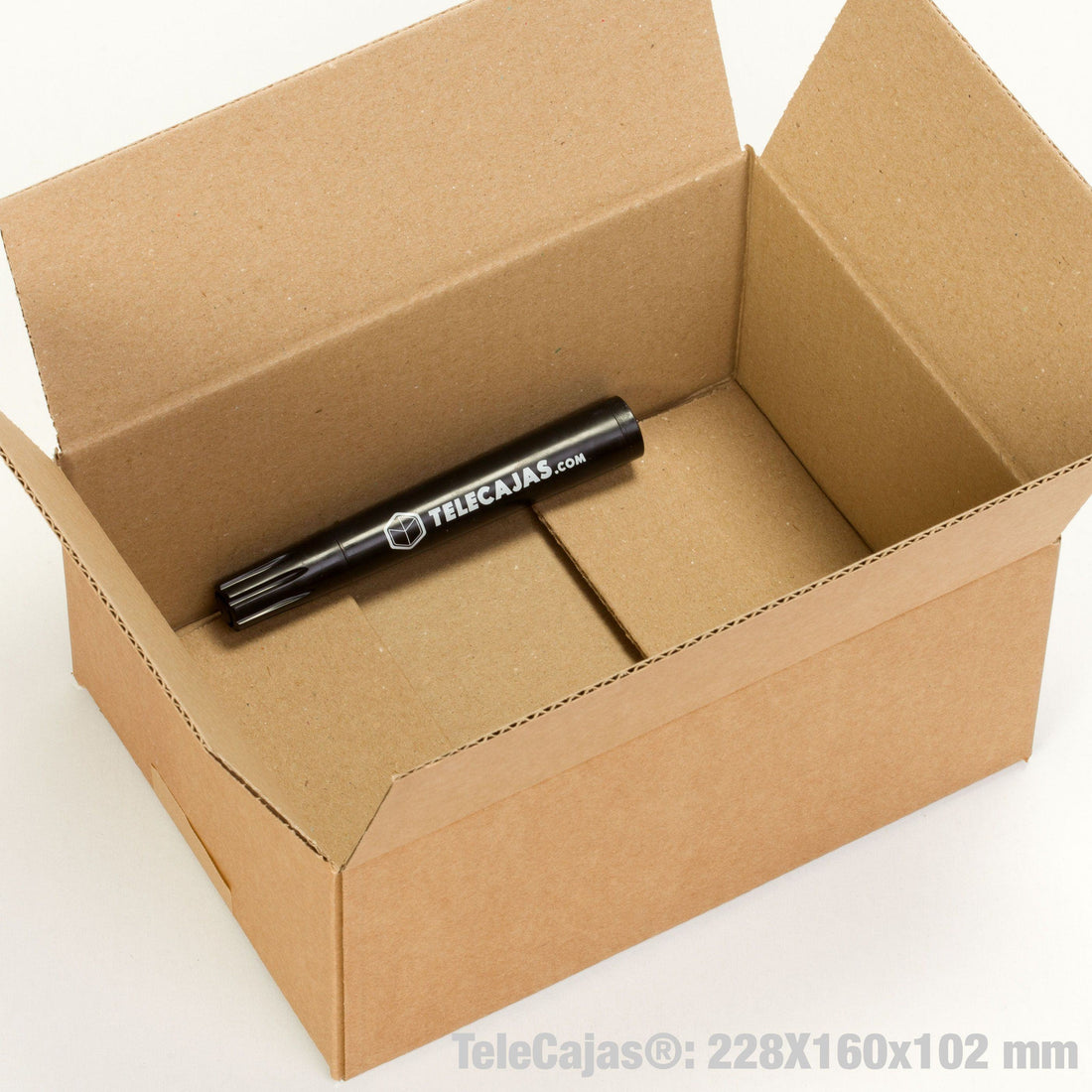
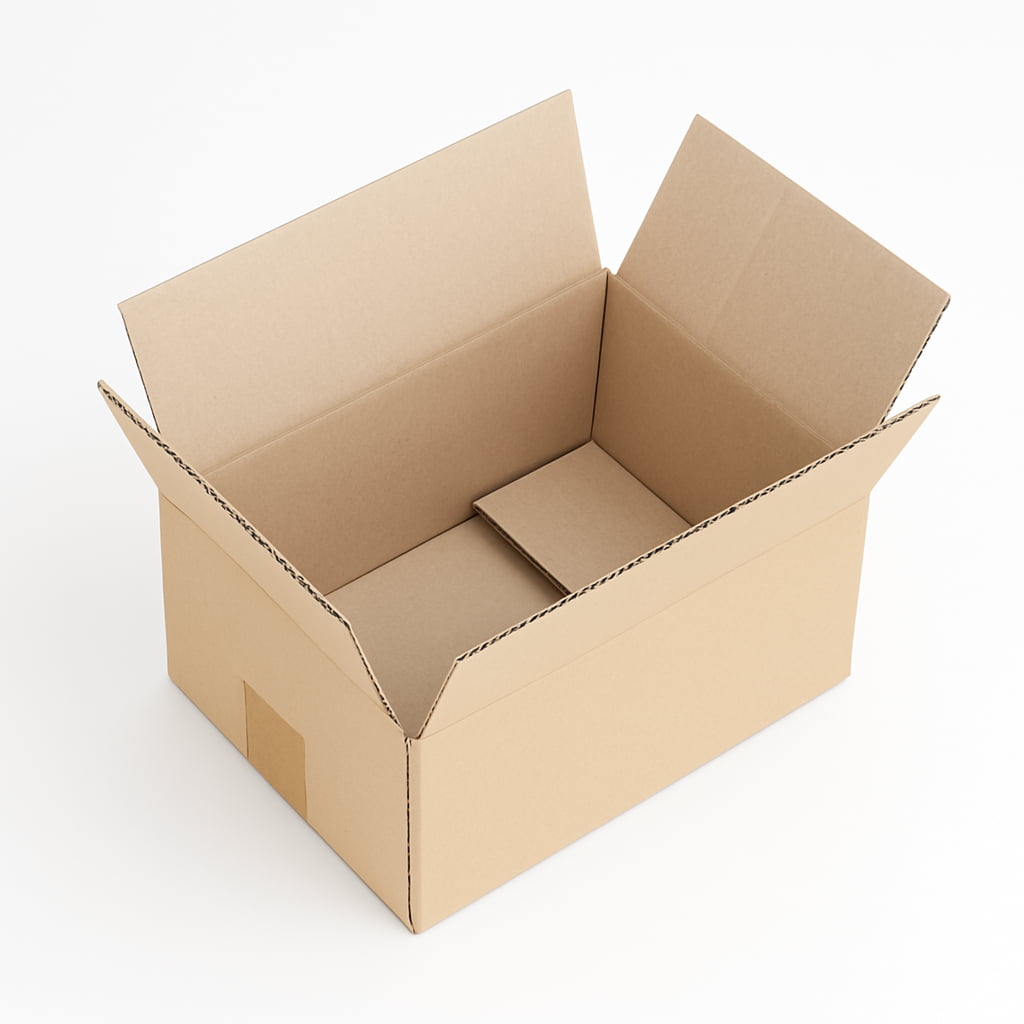
When someone calls us and says "I want a normal box," we always ask the same question: normal for what? A box that fits cosmetics is too much for a move, and a moving box is a waste for an e-commerce accessories business.
This guide brings order: a real table of cardboard box sizes by use (postal, moving, wine, TV), the difference between interior and exterior — which is where we see the most confusion — and how to choose yours right the first time. At TeleCajas, there are over 40 sizes in cardboard boxes and also in cheap cardboard boxes; with no minimum order.
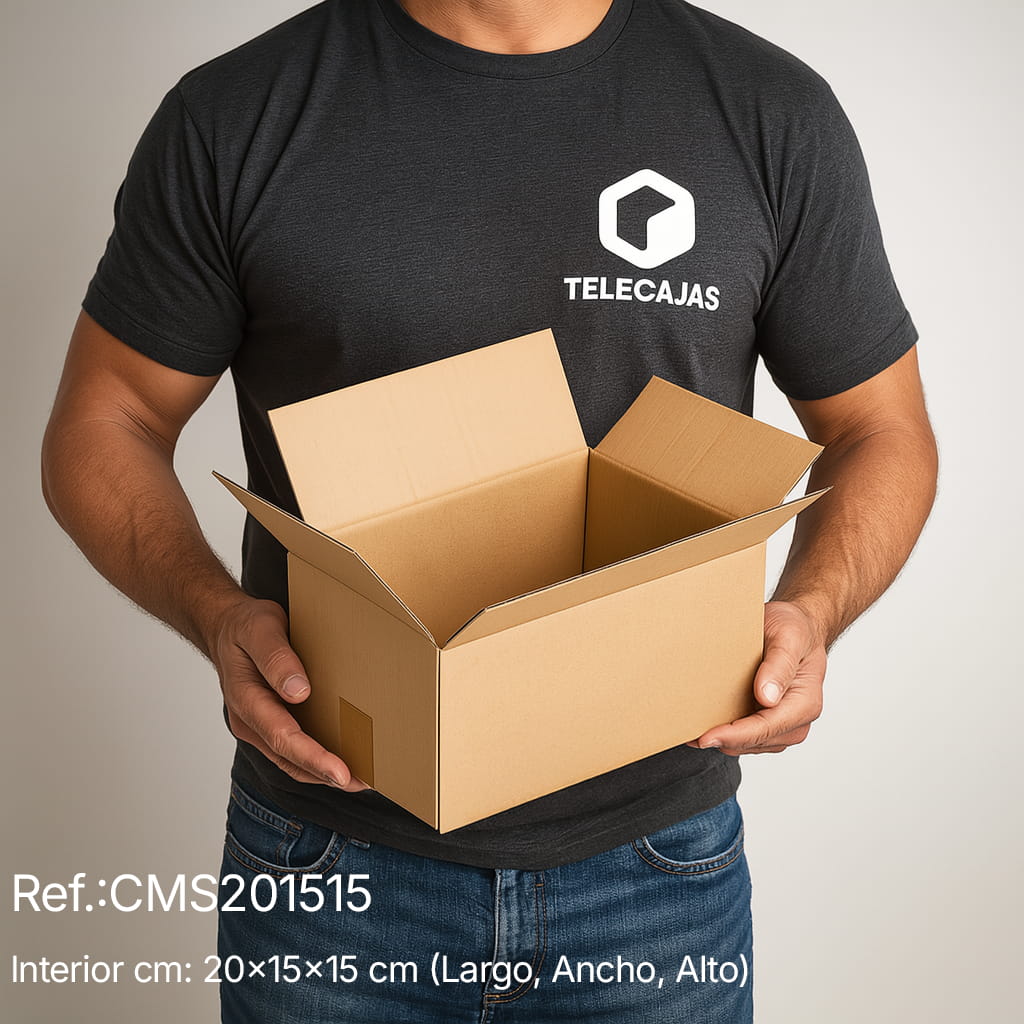
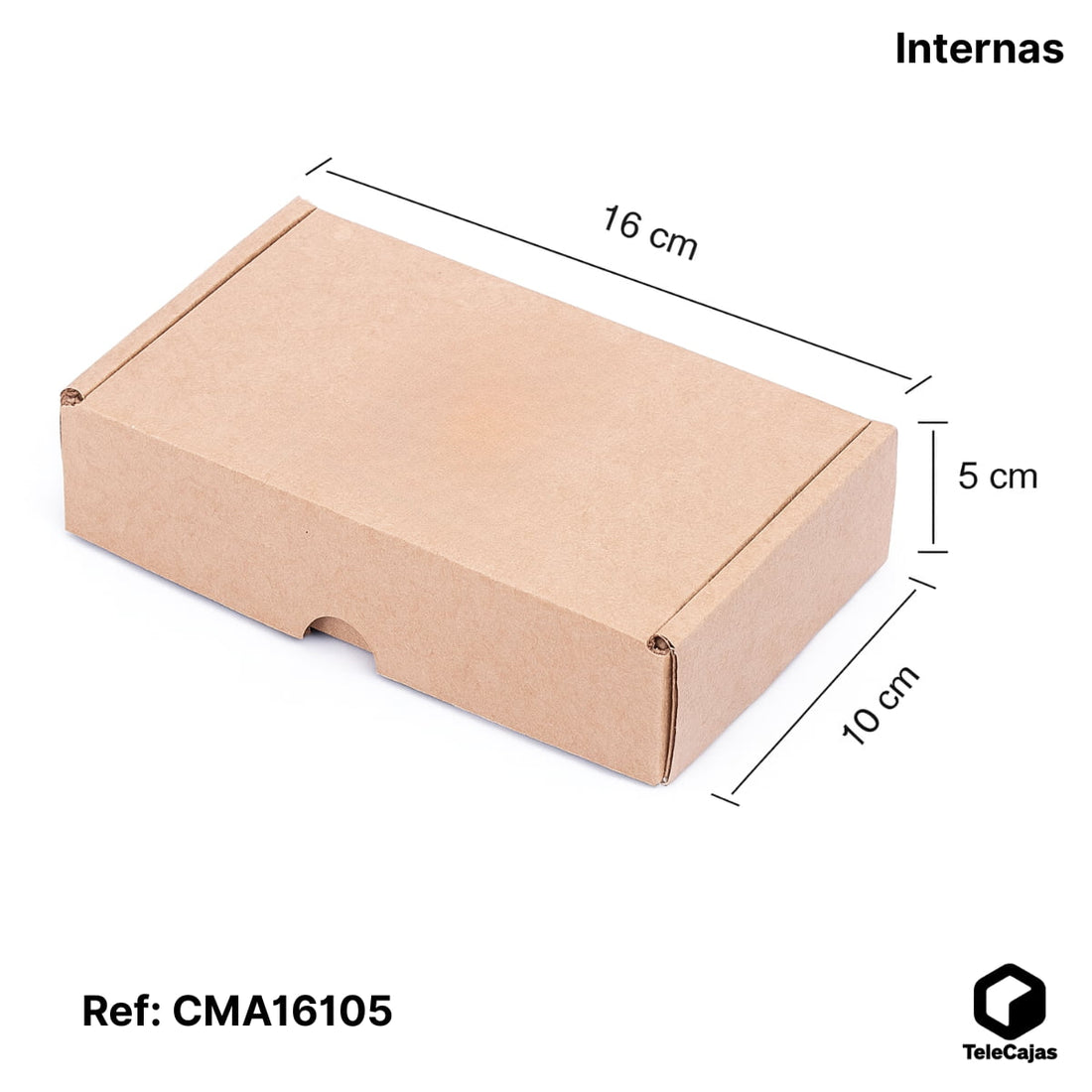
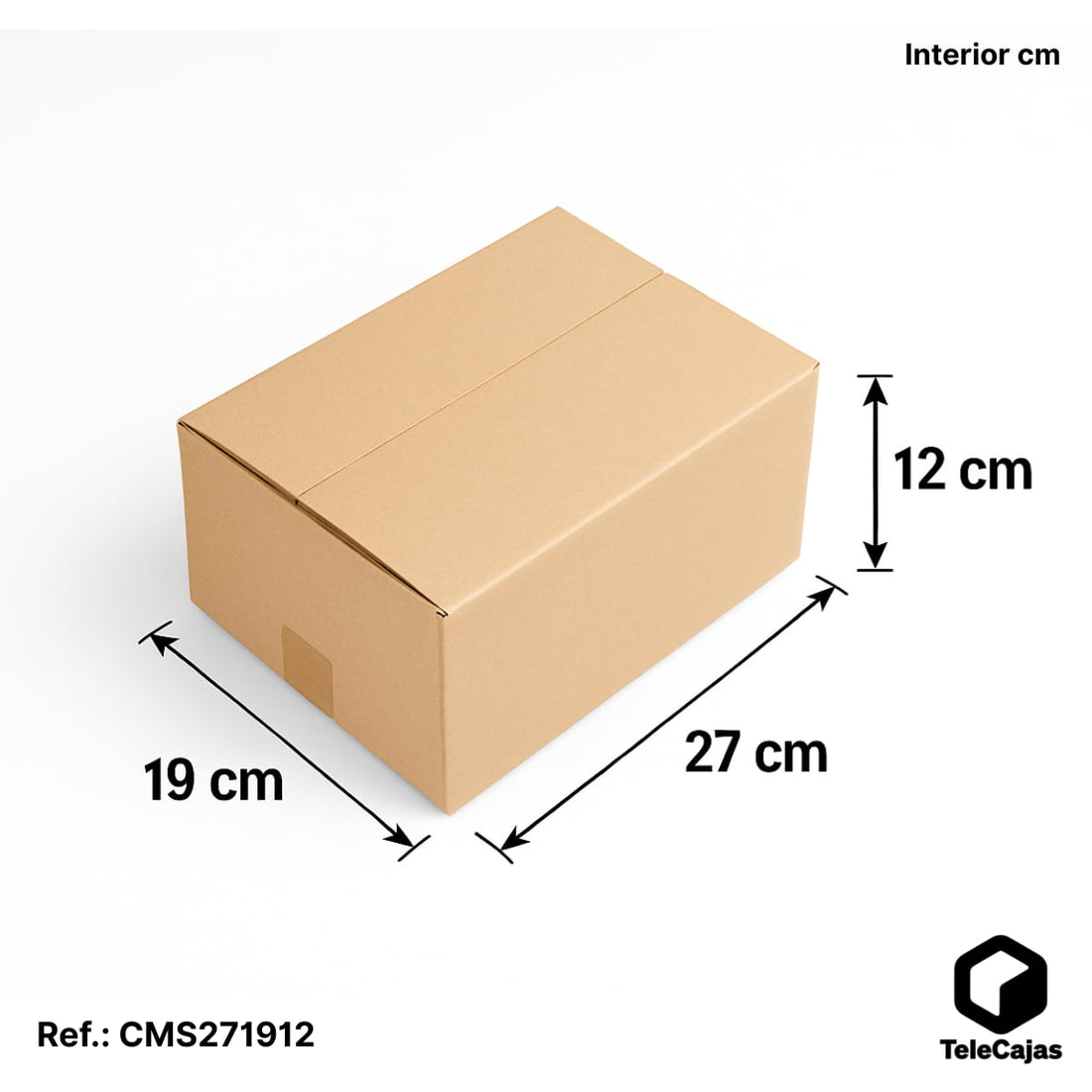
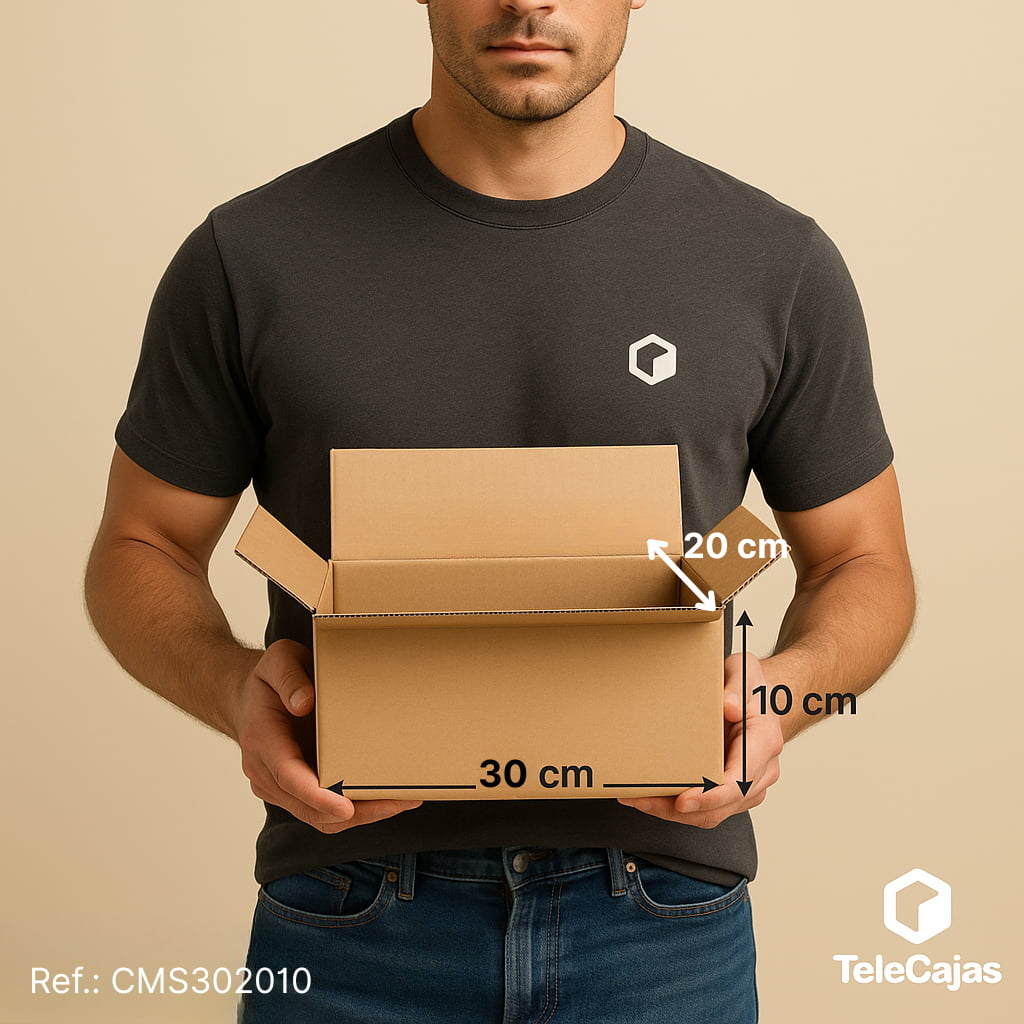
Measurements are always given as length × width × height. In our product descriptions, unless stated otherwise, these are interior measurements (the usable space). If you want the step-by-step method: how to measure a cardboard box.

Which cardboard box size chart do you use depending on the application?
Start with the application (light shipping, e-commerce, moving, wine, or TV) and then refine by centimeters; not the other way around.
| Use | Range / examples (cm, interior) | For what |
|---|---|---|
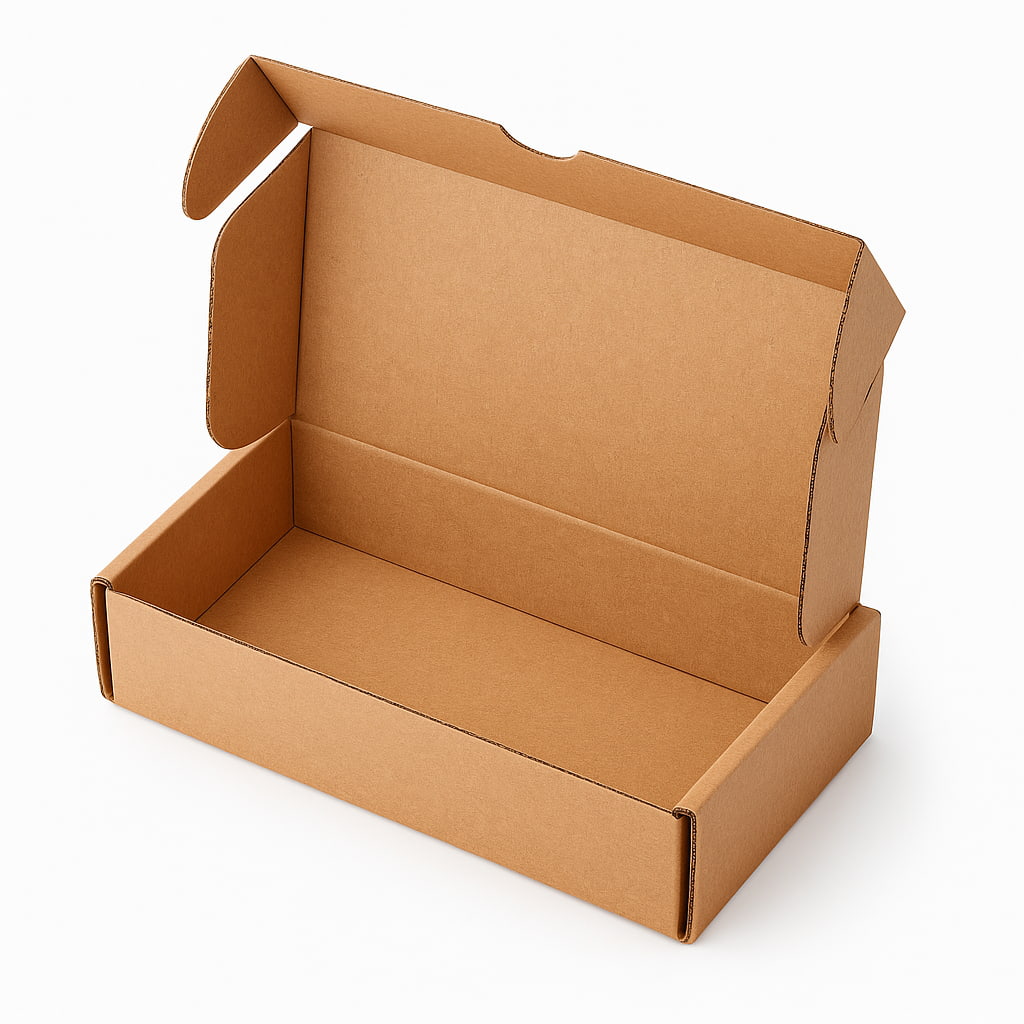
| Postal / marketplace | From ~10×10×10 to 30×20×26; flat postal boxes like 43×35×7 | Accessories, cosmetics, spare parts, folded clothes, documents |
| Standard e-commerce | From ~31×22×11 to 40×30×30 | Clothing, footwear, books, small batches; stacks well on a Euro pallet |
| Moving / batches | 50×35×35, 60×40×40 and similar | Clothes and household items (large and light); dense household items are better in more compact boxes |
| Wine / bottles | Cases and boxes with dividers (e.g. 6 bottles ~23.5×15.5×31.5) | Bottles upright with grid; do not use a "generic large" box |
| TV / artwork | Flat and elongated (e.g. 81×13×69 for TVs up to 37") | Screens, mirrors, canvases; thickness (13 cm) is as critical as length |
Examples from the catalog: 40×30×30 cm, 60×40×40 cm, 50×35×35 cm, 30×20×26 cm, postal 43×35×7 cm, 6-bottle box with dividers and TV/artwork box 81×13×69 cm.
Collections by range: small and medium, large and giant, tall and elongated, artwork and TV, moving packs.
Interior or exterior measurement: which one do you look at when buying?
At TeleCajas, the product measurements are, by default, interior: the space where the product fits. The exterior is the assembled box from the outside and includes the thickness of the cardboard.
| Interior | Exterior | |
|---|---|---|
| What it measures | Length × width × height of the usable space | The box from the outside, closed |
| What it's for | Knowing if the product + padding fit | Shelf space, car trunk, pallet or carrier segment |
| Common mistake | Ordering by the title number without reading "interior" | Assuming that 34.5 cm of handle is the usable space |
A real example of the most common complaint we receive: the shoe postal box with handle 34-5x21x12-5 has an interior of 32.5×21×12.5 cm and an exterior of 34.5×21×12.5 cm. If you measure your shoe against 34.5 and order that box, you might lack space. Always look at the "interior measurements" line of the product description — or use the box search by measurements in cm.
How to measure and choose the box in 3 steps?
Measure the product (with protrusions), decide on the clearance, and check with the carrier; don't start with "a large one just in case."
- Measure the product in length × width × height, including protrusions, and add clearance: a few centimeters on each side if fragile (padding), or snugger if not.
- Translate to interior box size. This figure is what you need to look for in the product description or the search engine. If you're torn between two, the guide what box size do I need to ship items breaks it down by case (shoes, clothes, books, phones).
- Consider shipping and weight. An oversized box inflates the volumetric weight; one that is too large and filled with dense items (books, dinnerware) becomes unmanageable. It's better to have two fitted boxes than one "for everything." We detail the shipping price range in how much it costs to ship a package; the cardboard's resistance, in how much weight a box can hold.
Which box sizes do you order the most?
The ones that leave the warehouse most frequently in real orders: postal boxes, 30×20×26, 50×35×35, and 60×40×40 — plus the all-rounder 40×30×30 in e-commerce.
| Measurement (interior, cm) | Profile | When it makes sense |
|---|---|---|
| 30×20×26 | Postal / shipping | Rectangular items, marketplace, compact storage |
| 40×30×30 | E-commerce / light moving | Medium order; two side-by-side fit on a 120×80 Euro pallet |
| 50×35×35 | Intermediate moving | Between 40×30×30 and 60×40×40; clothes and items that don't fit in the medium one |
| 60×40×40 | Moving / textile | Clothes, duvets, light bulky items; don't fill it with books |
| Flat postal boxes (e.g. 43×35×7) | Flat shipping | Folded clothes, catalogs, well-protected tablets |

The Euro pallet measures 120×80 cm: "round" measurements like 40×30, 60×40, or 30×20 optimize the base. If you're palletizing, we can fit it into primary, secondary, and tertiary packaging.
For moving: more compact boxes for dense items (books, dinnerware) and larger ones for light items (clothes, textiles). This way, no box becomes impossible to load. How many? You have the moving box calculator and the packs.

Volume calculator or search by cm: which one do you use?
If you already have the three product measurements, use the search by cm; if you need liters or volumetric shipping weight, use the calculator.
- Box search by measurements in cm — filter by length, width, and height to see what's in stock.
- Volume and volumetric weight calculator — useful when the carrier charges by volume.
- The formula and criteria are explained in how to calculate the volume of a cardboard box.
Frequently Asked Questions
Are the measurements of cardboard boxes at TeleCajas interior or exterior?
Interior, unless the product description states otherwise: it's the usable space. The exterior adds the thickness of the cardboard and is used for warehouse spaces or shipping segments, not for knowing if the product fits.
What is the most requested cardboard box size?
It depends on the use: in e-commerce, the 40×30×30 and similar sizes dominate; for everyday orders, postal boxes, 30×20×26, 50×35×35, and 60×40×40 are very popular.
What size box do I need to ship clothes?
For a few folded garments, a medium type 31×22×11 or similar; for larger orders, 40×30×20 or 40×30×30. If it's flat and not delicate, also consider an envelope — we compare them in boxes vs. envelopes. For flat shipments, the postal 43×35×7 cm works.
What box do I use for books?
Small or medium, never a 60×40×40 filled with paper: books are heavy and the box becomes unmanageable. Start with compact formats (type 30×20×…) and distribute the weight among several boxes.
Which do I choose between 50×35×35 and 60×40×40?
The 50×35×35 if you want something intermediate and manageable; the 60×40×40 for bulky and light textiles. If the contents are dense, go down in size even if more boxes are needed.
What if no standard size fits me?
Write to us: among more than 40 sizes, there's almost always one that works, and for B2B volumes, we study custom options. WhatsApp: +34 665 53 23 58.
Choose your size and order from 1 unit
Order from 1 unit, with no minimum order; free shipping from €50 (VAT included in the price). In mainland Spain, we can usually send it so that it arrives within the usual 24/48 hour timeframe — if you need it for tomorrow, please mention it when ordering and we will check.
See all sizes · Search by cm · Moving packs · Self-assembling boxes