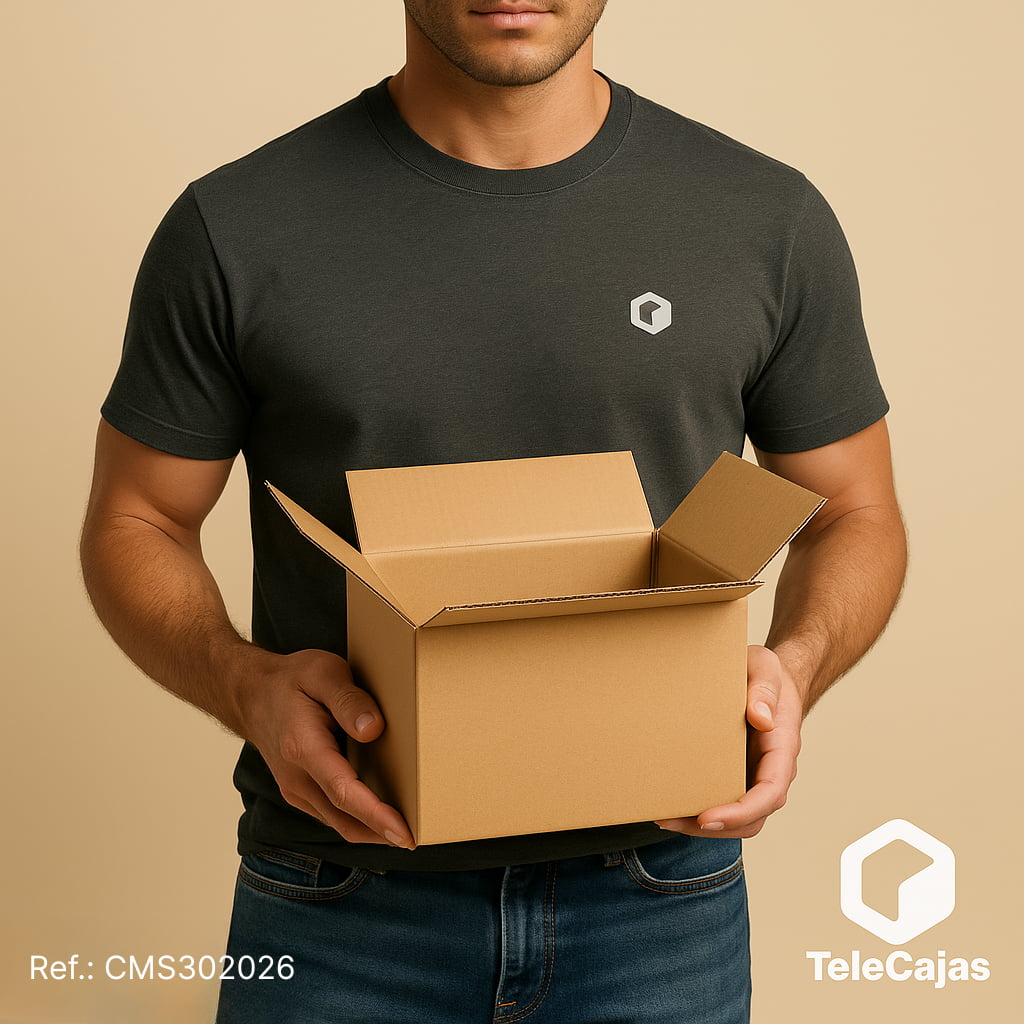
Do you ship delicate products and fear they'll arrive broken? In this guide, we'll explain how to pack fragile items step-by-step, what protective materials to use, and the most common mistakes to avoid. Whether you're preparing e-commerce shipments or organizing a move, you'll find everything you need here.
Why is packaging fragile products so important?
A package passes through dozens of hands and movements from the moment it leaves the warehouse until it reaches the recipient. Drops, vibrations, stacking, and temperature changes are the main enemies of glassware, ceramics, electronics, and any delicate item.
A well-made fragile package serves three functions: absorbing impacts, immobilizing the product inside the box, and signaling to the carrier that the contents require special care. If any of these three fail, the risk of breakage multiplies.

Essential materials for protective packaging
Choosing the right packaging material is the foundation of everything. These are the most effective for fragile products:
- Bubble wrap: the classic. Ideal for individually wrapping each piece. Available in different bubble diameters depending on the level of protection needed.
- Crinkled kraft paper: an ecological alternative to bubble wrap. Perfect for filling gaps and wrapping medium-sized objects.
- Polyethylene foam (foam): thin sheets that protect delicate surfaces such as screens, glass, or lacquered furniture.
- Foam corner protectors and profiles: to protect edges and corners of paintings, mirrors, or furniture.
- Void fill: polystyrene chips, shredded paper, or air pillows. Essential to prevent the product from moving inside the box.
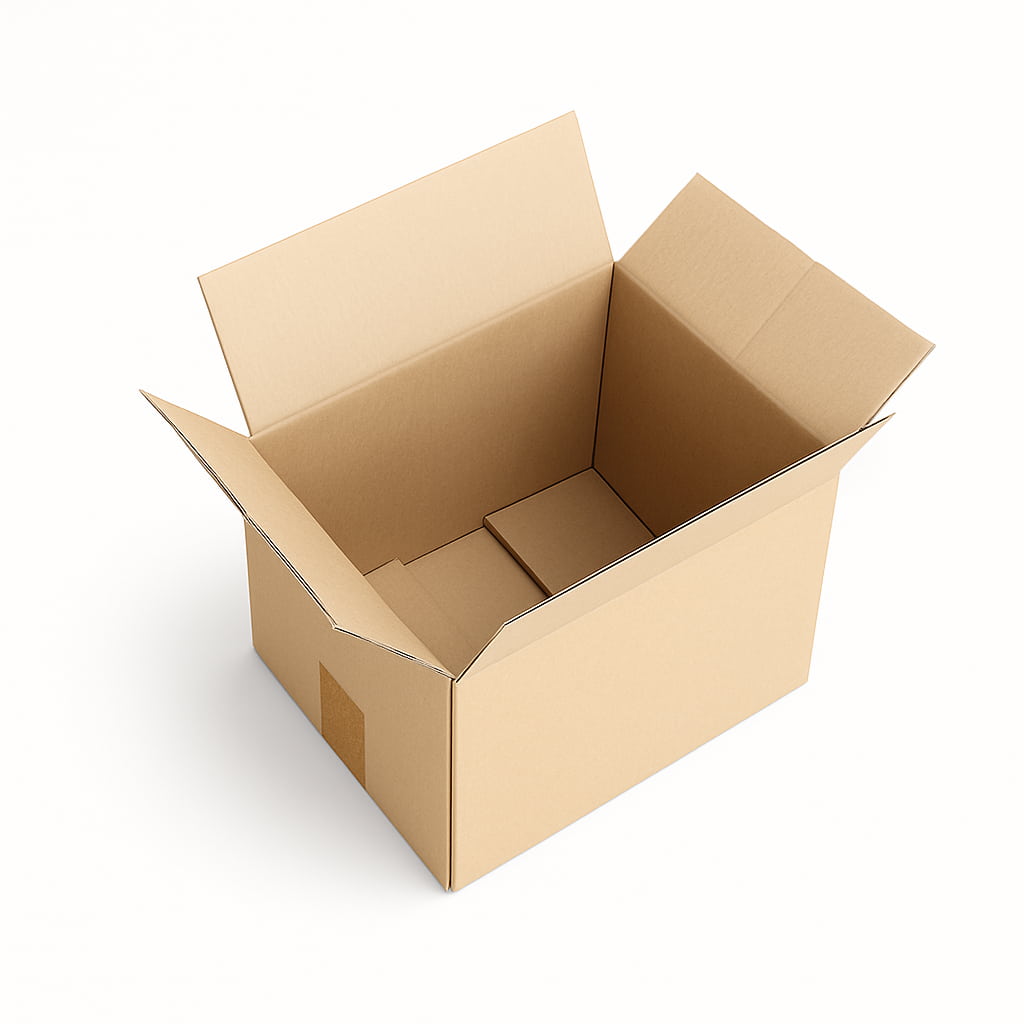
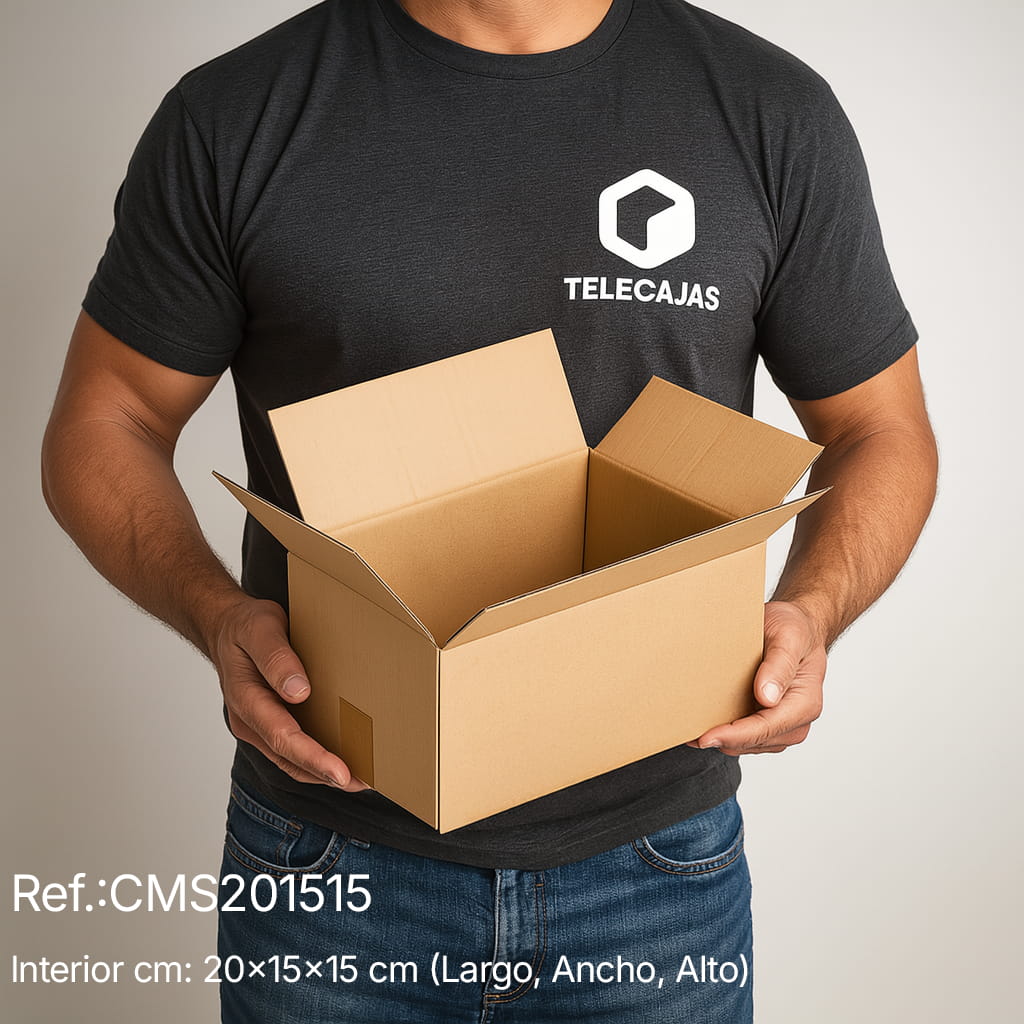
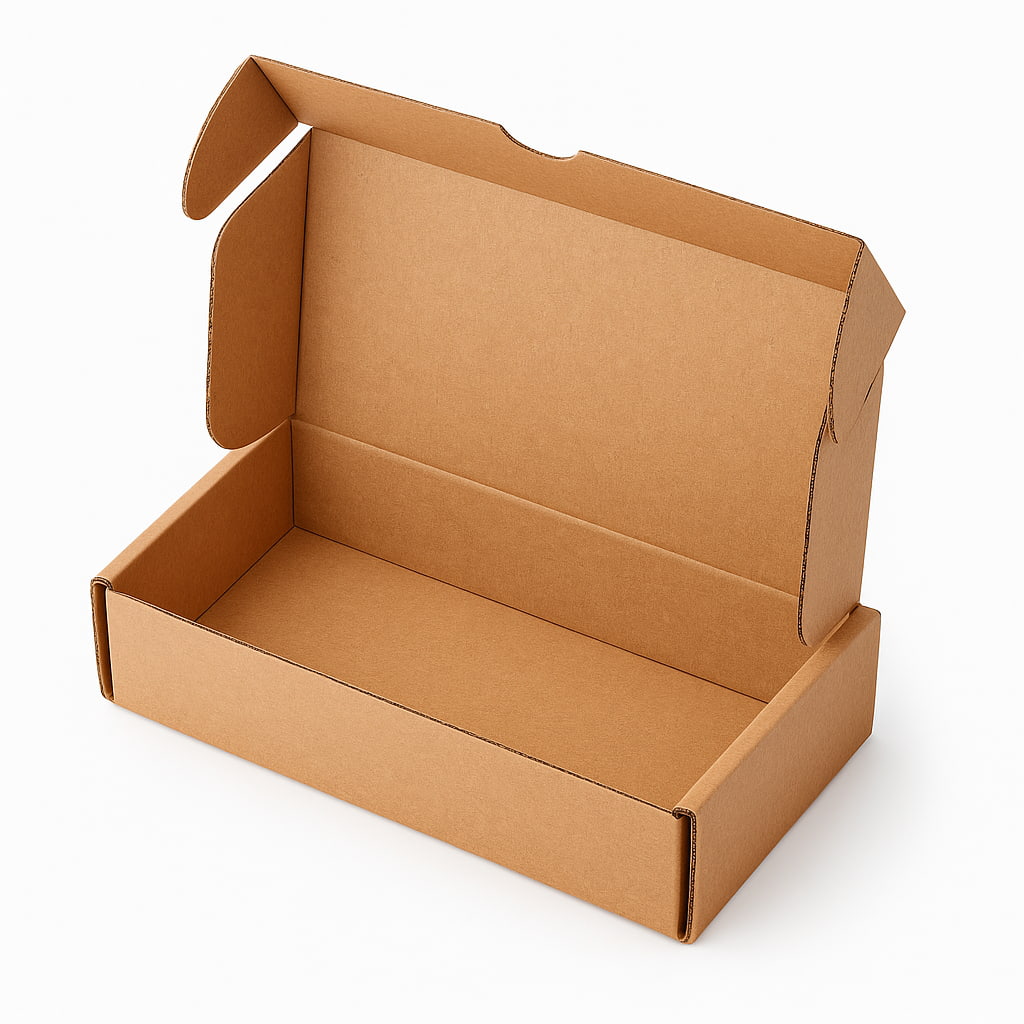
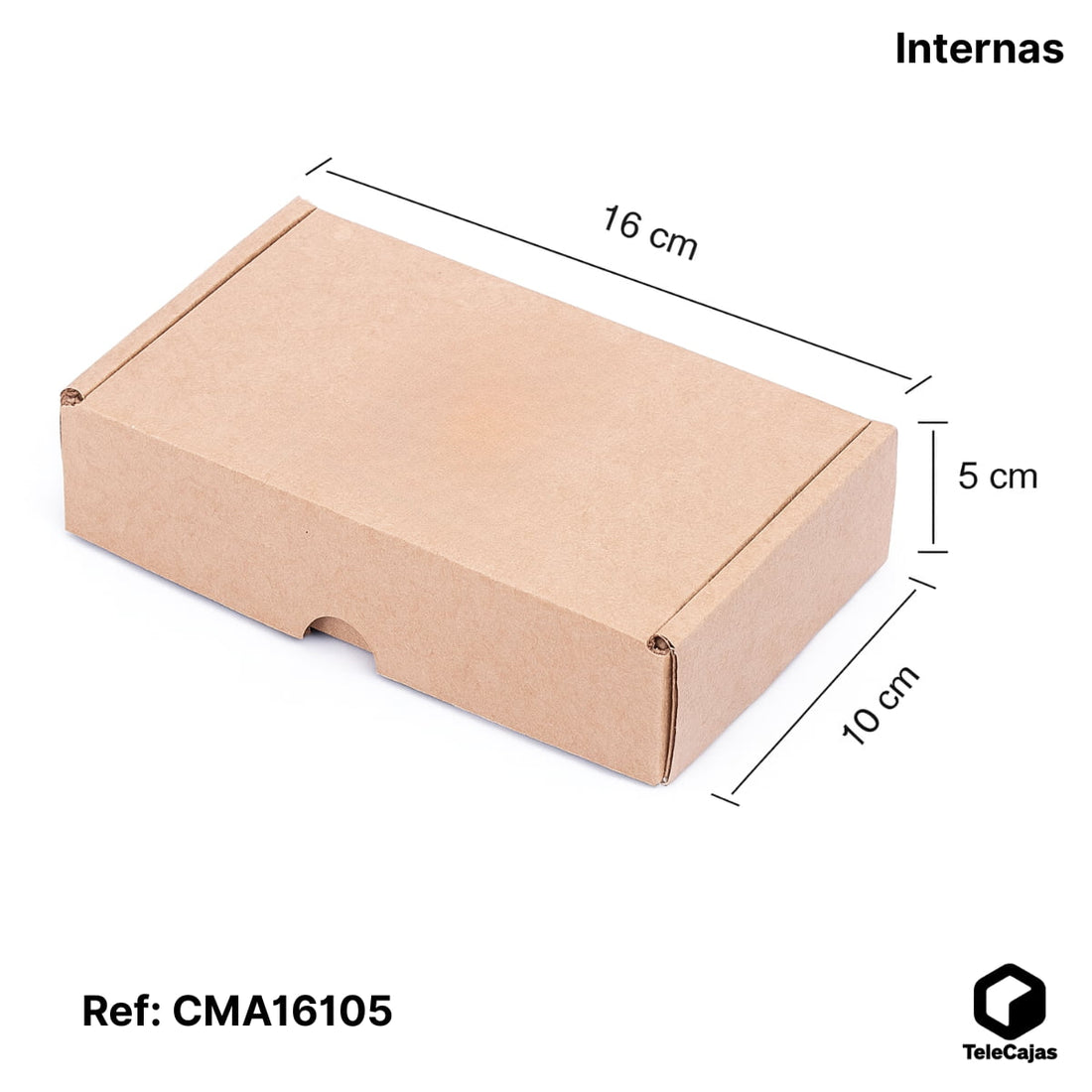
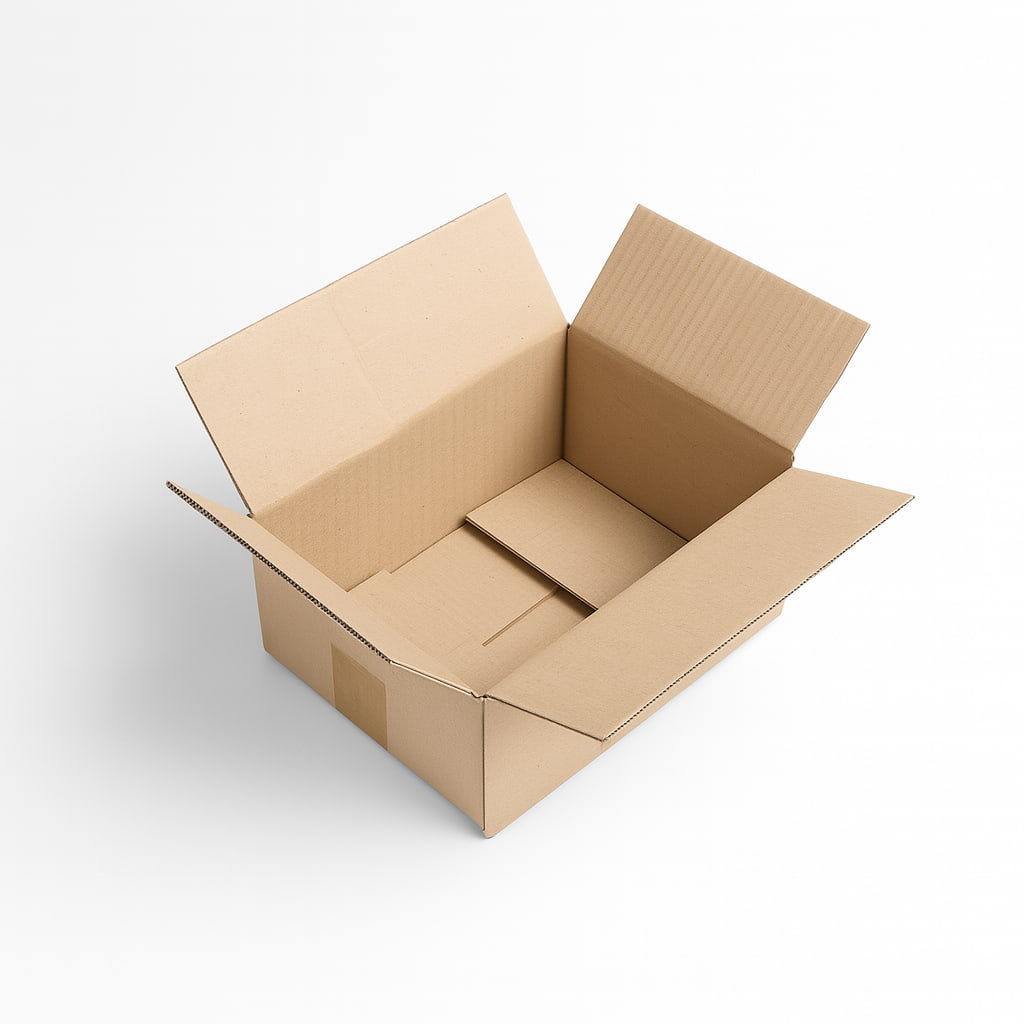
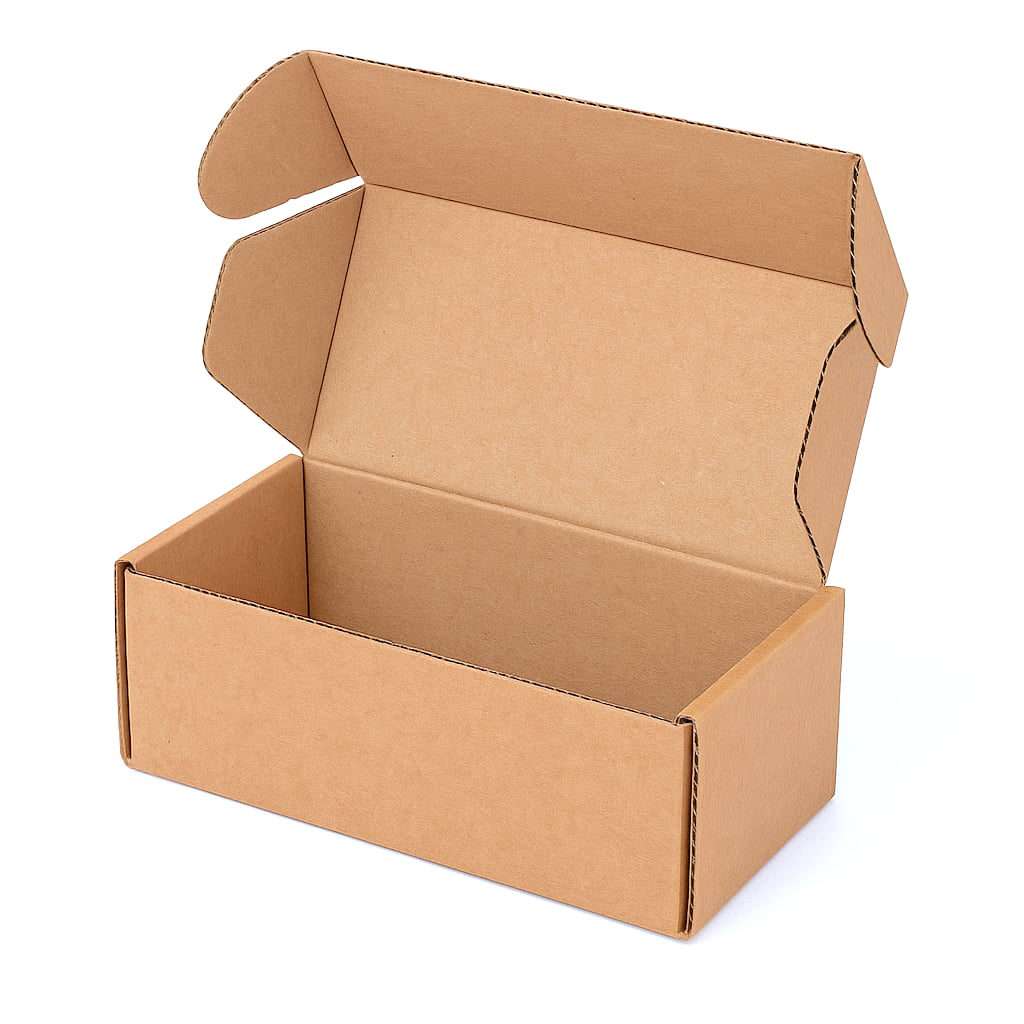
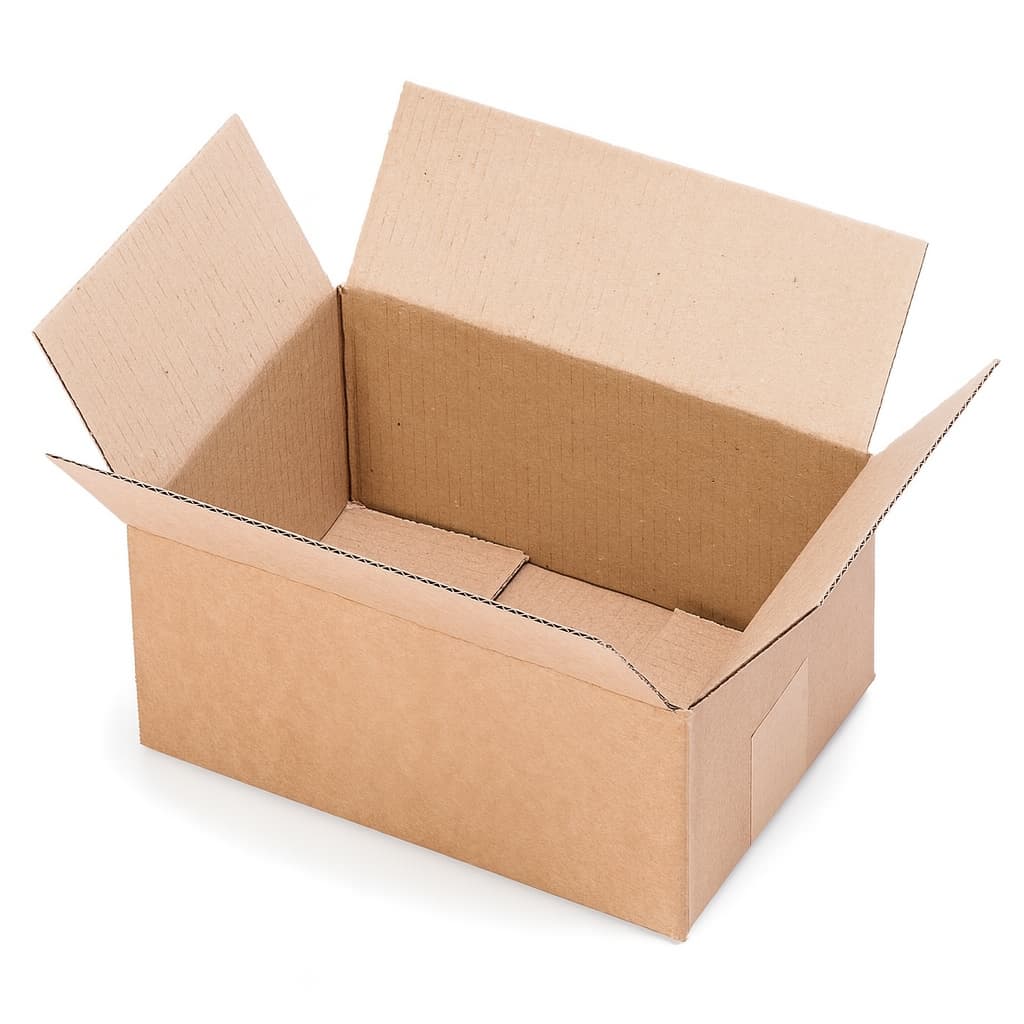
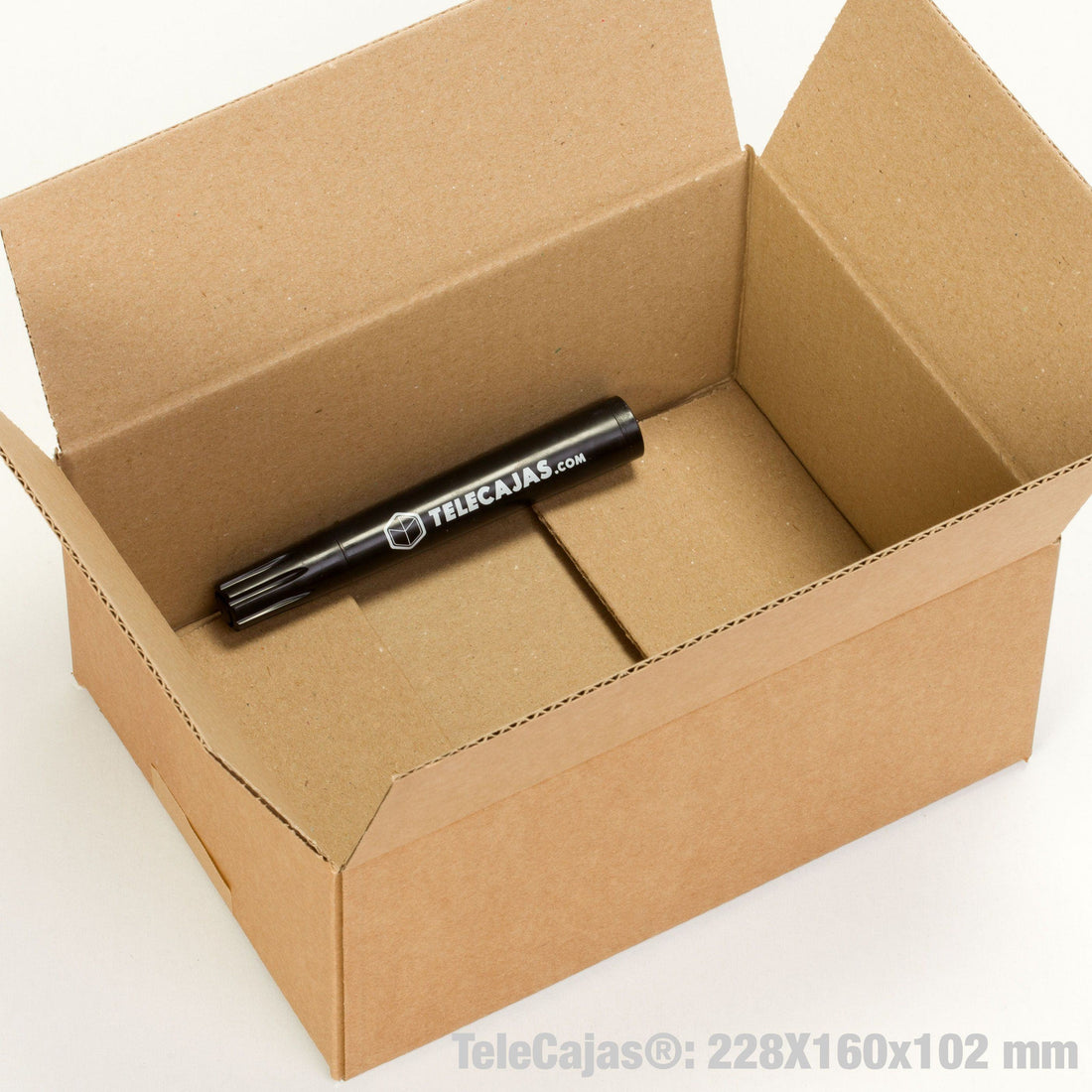
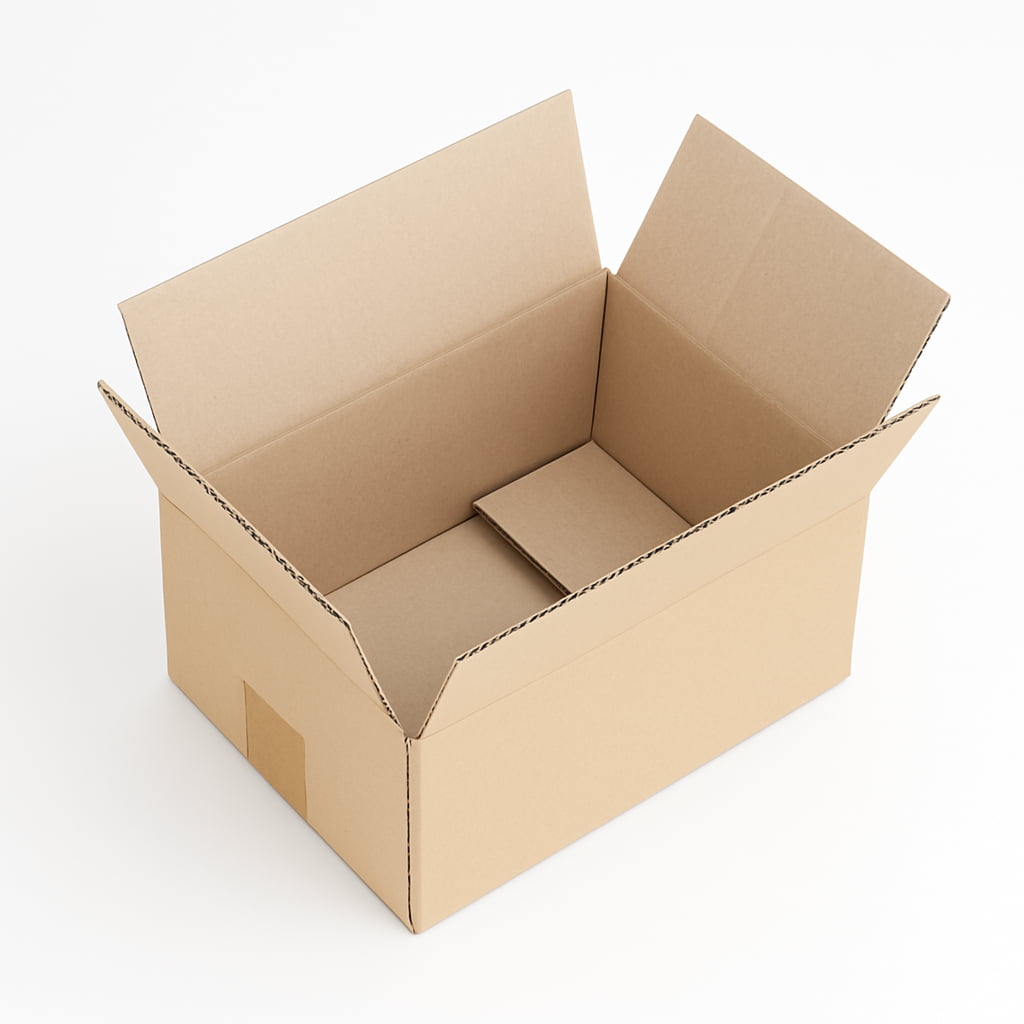
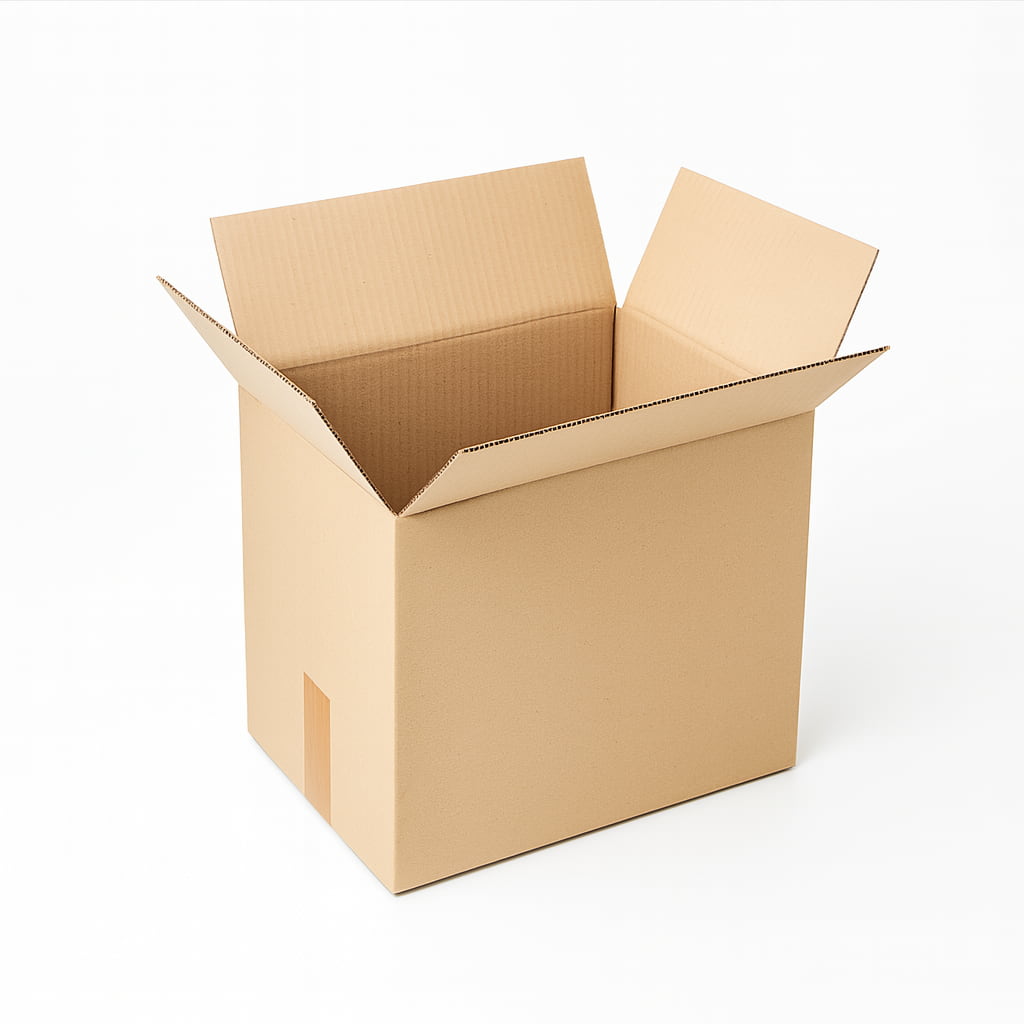
- Reinforced cardboard boxes: double or triple wall for heavy objects. The cardboard should always be new and dry; a reused box loses up to 50% of its strength.
- Quality adhesive tape: at least 50 mm wide. Seal all seams with at least two passes.
- "FRAGILE" labels: visible on at least two sides of the package so that the carrier handles it with caution.
In our store, you'll find all these materials with fast shipping to all of Spain and Portugal. In the end, it matters who supplies the material, not just the box: bubble wrap, foam, and double wall must be in the same order.
How to pack fragile products step by step
Follow this process to ensure your fragile shipments arrive intact:
1. Choose the right box
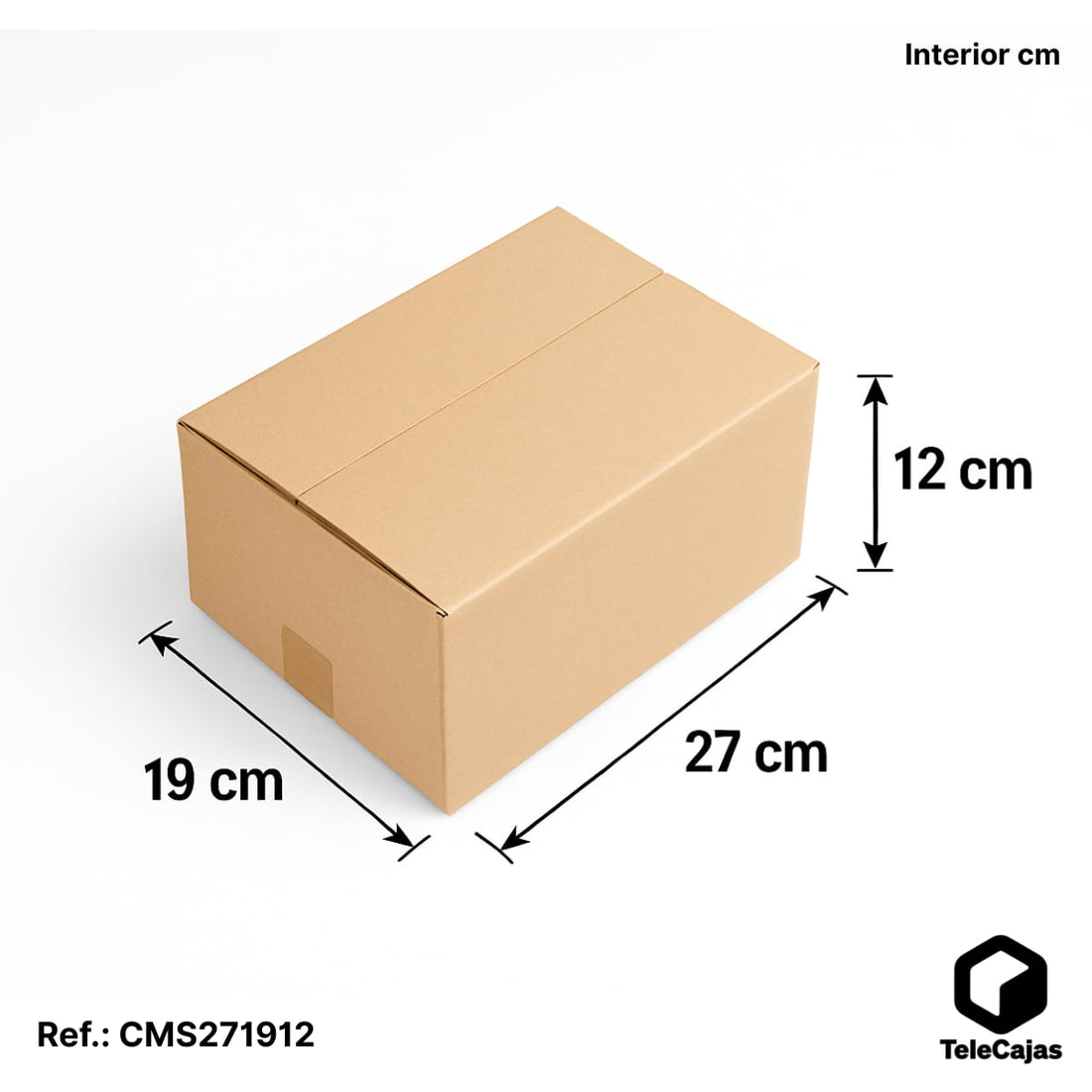
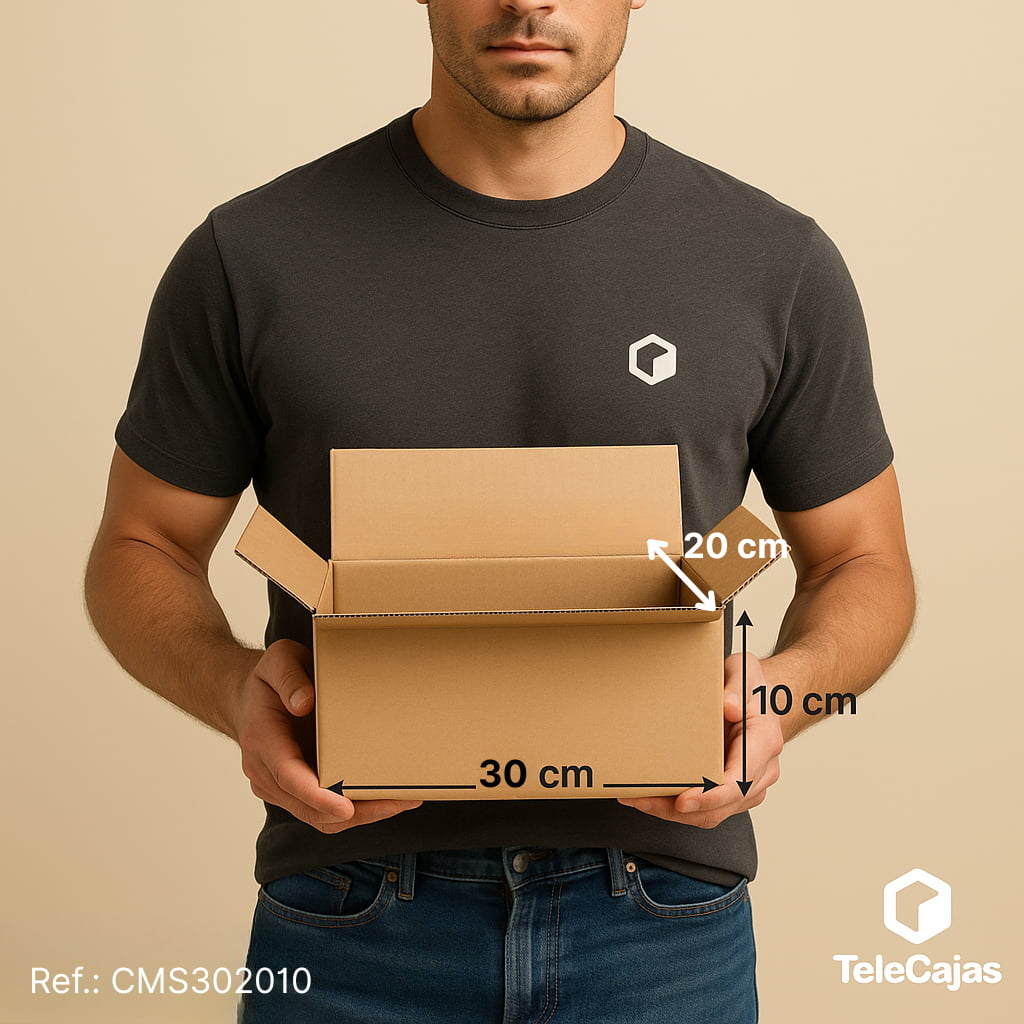
The box should be slightly larger than the product (about 5 cm of margin on each side). If it's too big, the item will move; if it's too small, the protective material won't fit. For heavy objects, use double-wall cardboard or triple-wall.
2. Protect the bottom of the box
Place a layer of 3-5 cm of void fill at the bottom: bubble wrap, crinkled kraft paper, or polystyrene chips. The product should never be in direct contact with the bottom of the box.
3. Wrap each piece individually
Each fragile item must be wrapped separately. Use at least two layers of bubble wrap or kraft paper, securing with adhesive tape. If you're shipping several pieces in the same box (e.g., a set of glasses), wrap each one and separate them with cardboard or dividers.
4. Fill all gaps
This is the most forgotten step and the one that causes the most breakages. Gently shake the box: if anything moves, add more void fill. The goal is for the product to be completely immobilized.
5. Seal and label
Close the box with reinforced adhesive tape on all seams (the "H" method: one central strip and two side strips). Place FRAGILE labels on at least two visible sides. If the product has a specific orientation, add "This side up" arrows.

How to pack crockery and glassware for moving
Crockery is one of the most frequently broken items during moves. Here are the keys to packing crockery for moving without incidents:
- Plates: wrap each one with kraft paper or bubble wrap. Stack them vertically (on their edge, like records), never horizontally. The vertical position better distributes impacts.
- Glasses and cups: fill the inside with crumpled paper and wrap each piece individually. Use boxes with internal dividers if possible.
- Platters and trays: wrap with several layers of bubble wrap and place in a vertical position with separating cardboard between pieces.
- Vases and tall items: fill the inside, wrap with foam or bubble wrap, and place in the center of the box, surrounded by void fill on all sides.
Professional tip: label the boxes with the contents ("crockery - fragile") and the destination room. This will save you a lot of time when unpacking. Use our moving box calculator to find out how many you need.
How to pack paintings, mirrors, and flat objects
Flat objects with glass are especially vulnerable. Follow these steps:
- Place adhesive tape in an X shape over the glass (if it breaks, the fragments will be held in place).
- Cover the entire surface with foam corner protectors or cardboard on all four corners.
- Wrap with bubble wrap or polyethylene foam.
- Use a telescopic box for paintings or two sheets of cardboard cut to size, forming a "sandwich".
- Always transport in an upright position, never flat.
A TV up to 55 inches goes in the telescopic TV box. Wrap it with 100 cm bubble wrap. Bottles go in the 12-bottle box with dividers.
Most common mistakes when packing fragile items (and how to avoid them)
- Reusing old boxes: used cardboard loses strength. For fragile shipments, always use new boxes.
- Leaving gaps unfilled: the product moves and hits the sides of the box.
- Not wrapping pieces separately: if two objects touch, they scratch or break due to friction.
- Using loose newspaper as void fill: it crushes easily and does not absorb impacts. Crinkled kraft paper balls are better.
- Box too large without enough void fill: more empty space = more product movement when dropped.
- Forgetting to label: without a "FRAGILE" label, the package is treated as standard.
What materials do you need depending on the type of product?
| Product | Recommended box | Internal protection | Void fill |
|---|---|---|---|
| Crockery / glassware | Single or double wall | Bubble wrap + dividers | Kraft paper |
| Electronics | Double wall | Foam + corner protectors | Air pillows |
| Bottles | Bottle box | Cell dividers | Bubble wrap |
| Paintings / mirrors | Telescopic box or sheets | Corner protectors + foam | Bubble wrap |
| Ceramics / porcelain | Double wall | Double-layer bubble wrap | Chips + paper |
| Cosmetics / jars | Single wall | Foam + dividers | Tissue paper |
Frequently Asked Questions
What thickness of bubble wrap do I need for fragile items?
For light items (glasses, decorative figures), standard 10mm bubble wrap is sufficient. For heavy or very delicate items (screens, mirrors), use large 25-30mm bubble wrap or a double layer of standard.
Can newspaper be used to pack fragile items?
Newspaper can serve as a first layer of wrapping, but it's not sufficient as primary protection: it crushes easily and the ink can stain. Use it only as a supplement, never as the sole material.
How much void fill should I put?
The rule is simple: shake the closed box. If the contents move, you need more void fill. As a reference, leave at least 5 cm of cushioning material between the product and each wall of the box.
How to pack crockery for a move without breaking it?
Wrap each plate individually with kraft paper or bubble wrap. Place them vertically (on edge) inside the box, not stacked horizontally. Fill all gaps and use medium-sized boxes: a box that is too large and full of crockery will be impossible to move without risk.
Is bubble wrap or kraft paper better for fragile items?
It depends on the object. Bubble wrap offers better impact absorption and is ideal for glass and electronics. Kraft paper is more ecological, economical, and works well for ceramics, crockery, and items that are not extremely delicate. For maximum protection, combine both: kraft paper as the first layer and bubble wrap on the outside.
Where can I buy packaging material for fragile items?
At TeleCajas, you'll find everything you need: cardboard boxes of all sizes, bubble wrap, kraft paper, foam, corner protectors, void fill, and fragile labels. Shipping in 24-48h to all of Spain and Portugal.
Do you need packaging material for your fragile shipments? At TeleCajas, we have everything you need with fast shipping. Explore our cardboard box catalog or call us at 665 53 23 58 for free advice.