Choosing the right packaging material is key to protecting your products during transport and storage. In this guide, we review the main types of packaging materials, their characteristics, and when to use each one. Whether you're sending e-commerce packages, preparing for a move, or managing a warehouse, you'll find the information you need here.
1. Cardboard Boxes
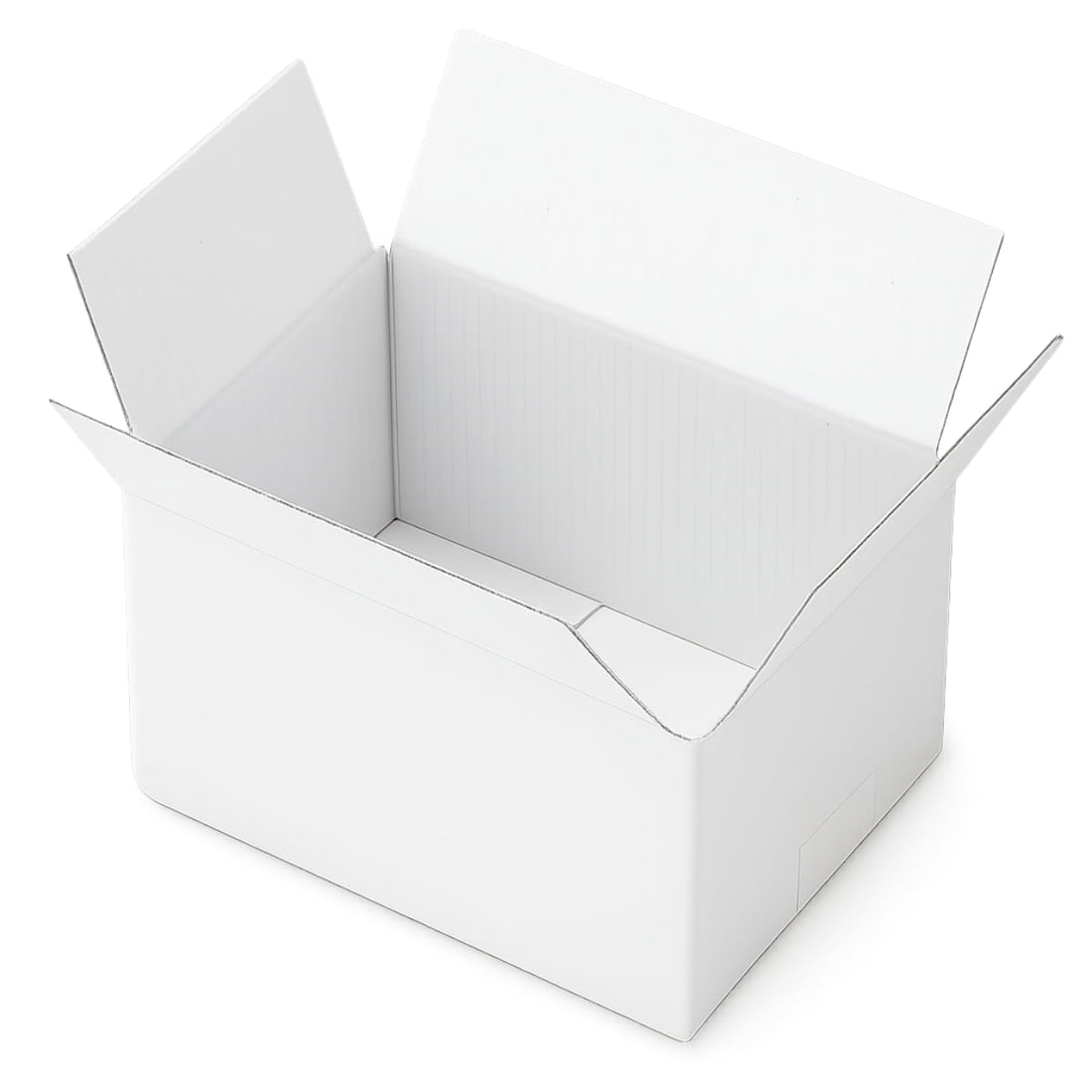
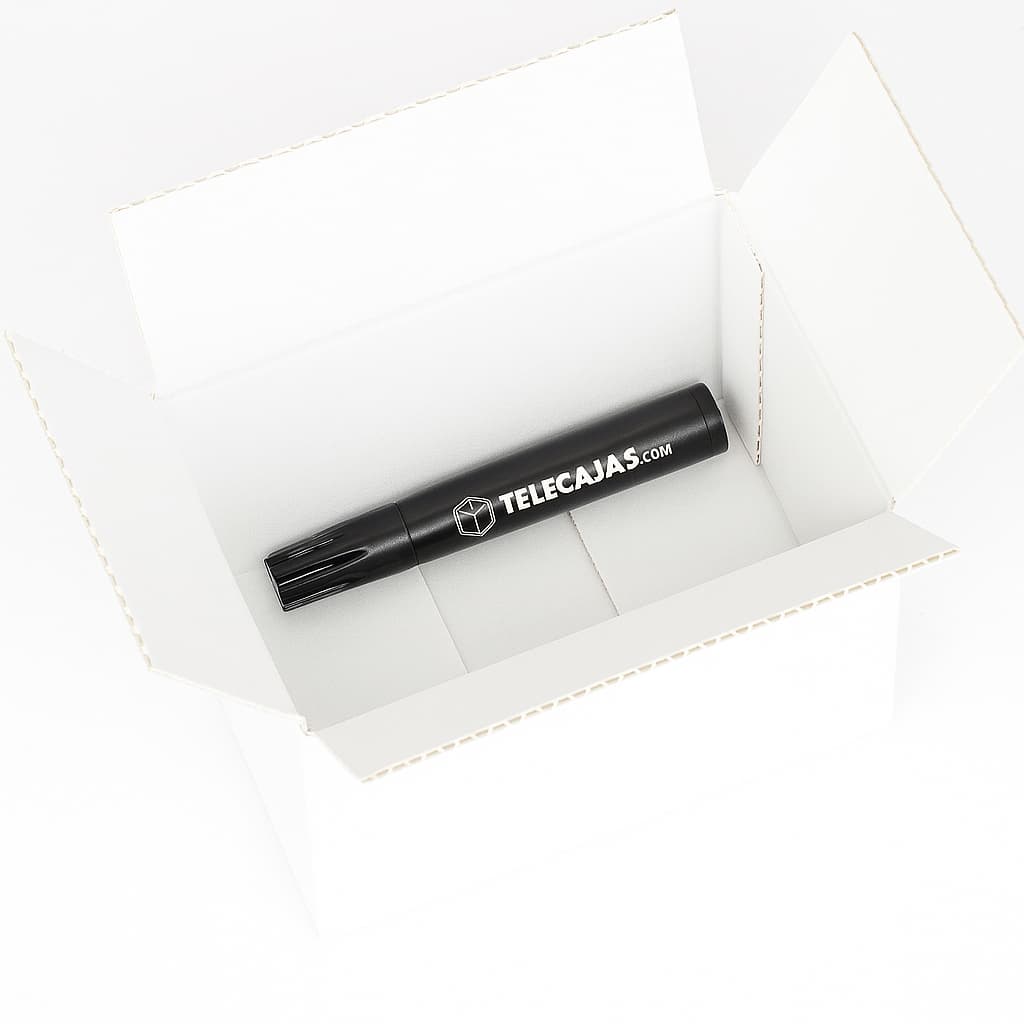
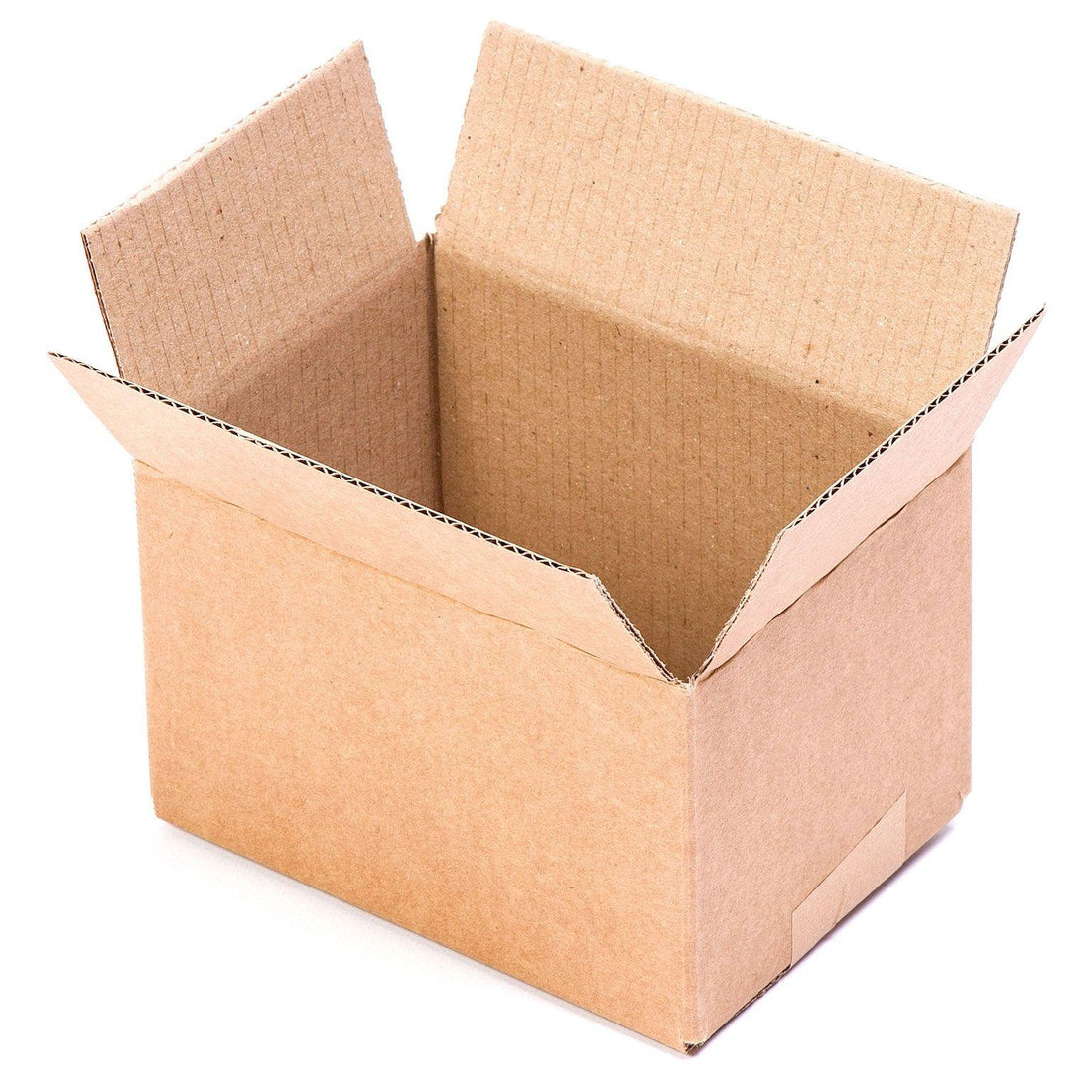
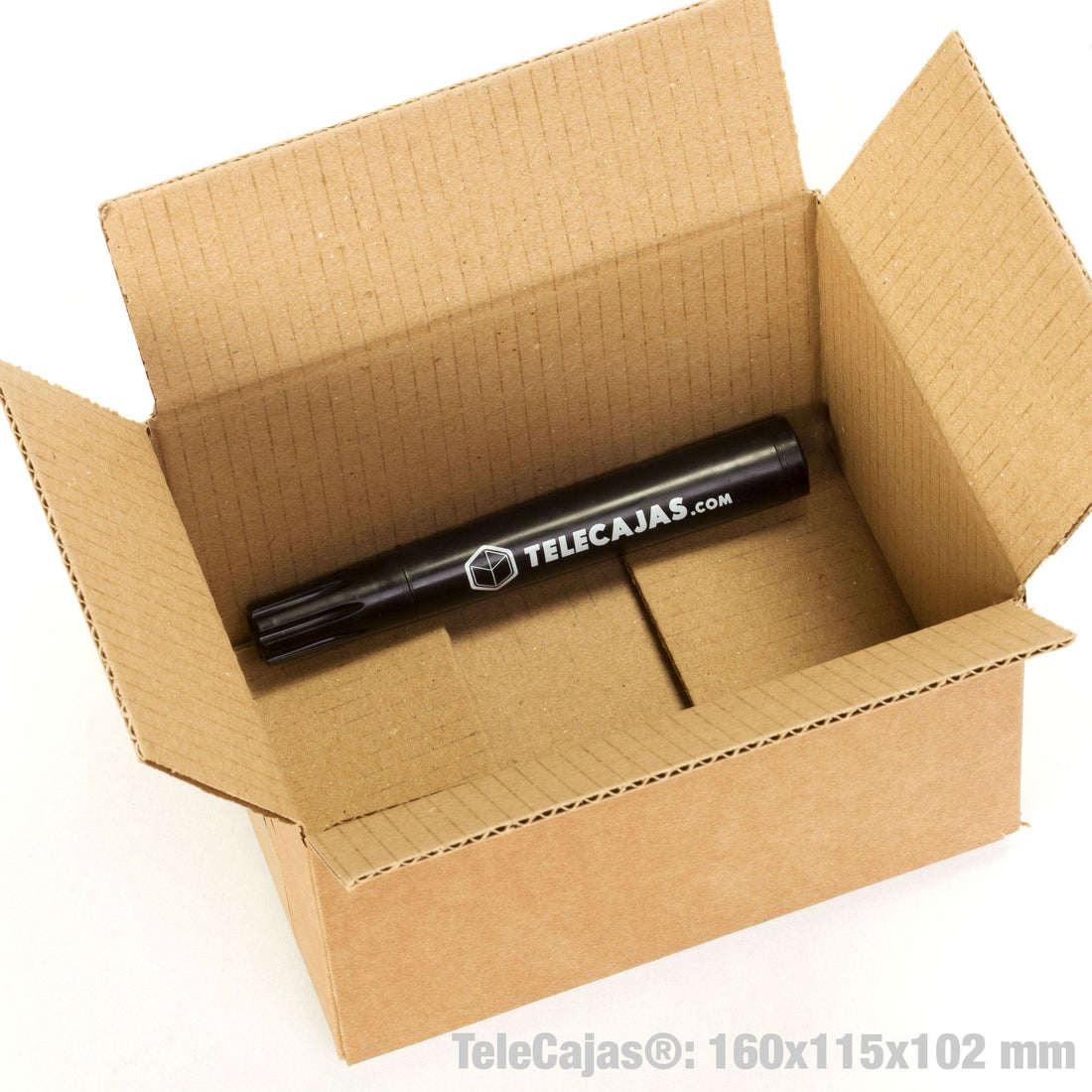
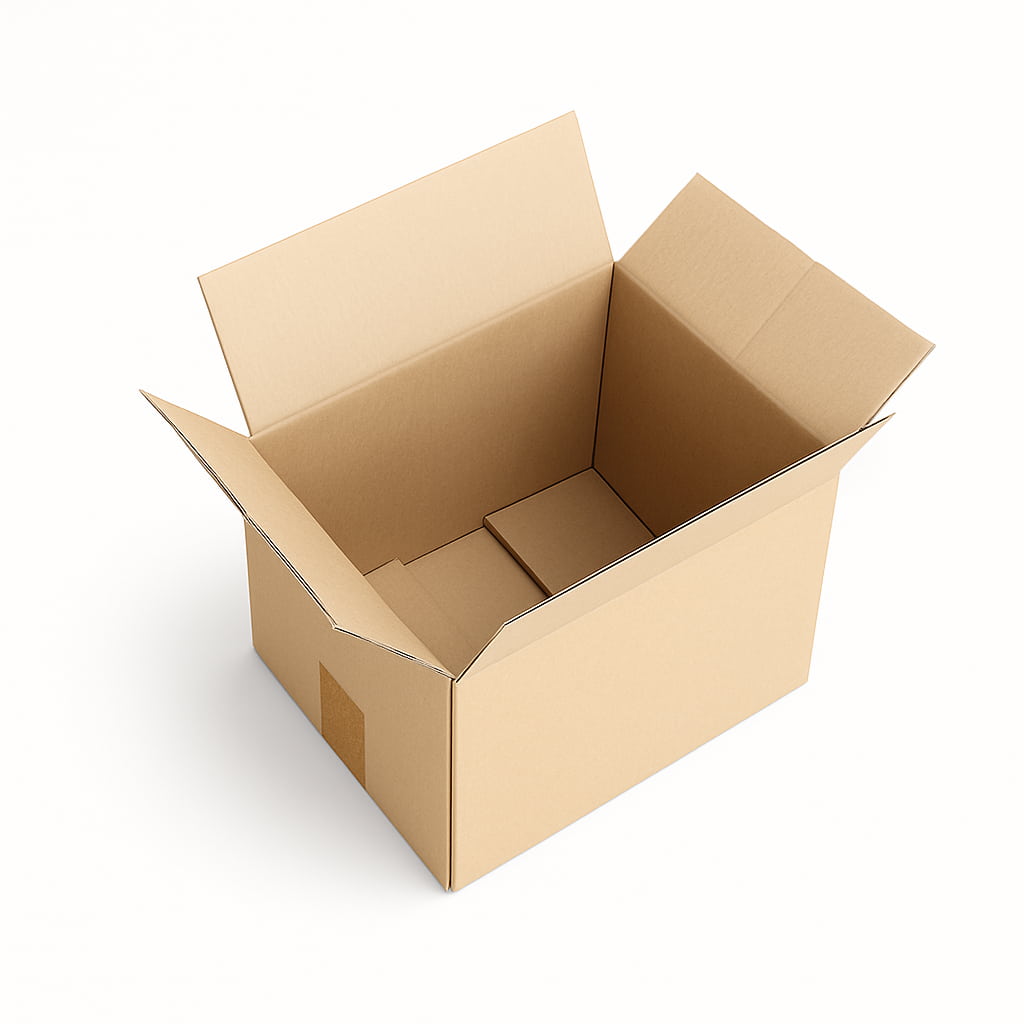
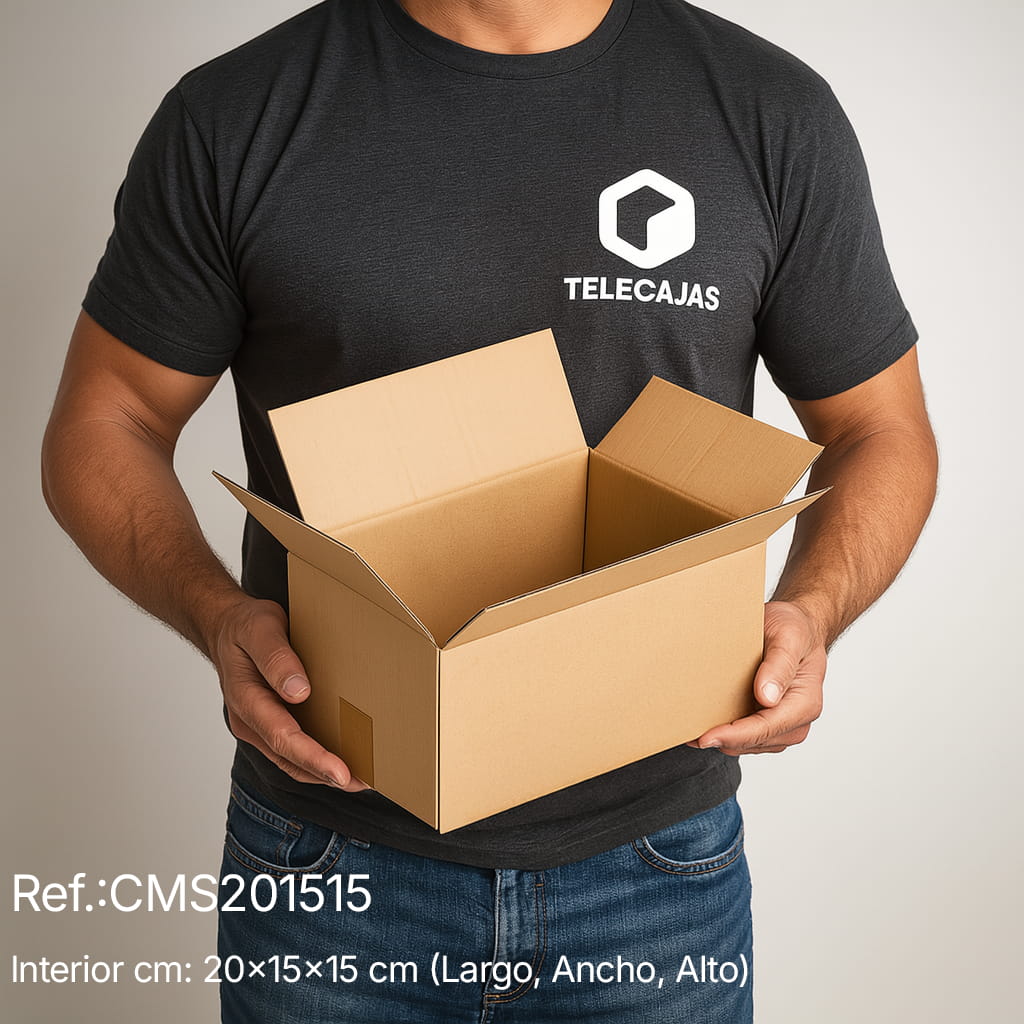
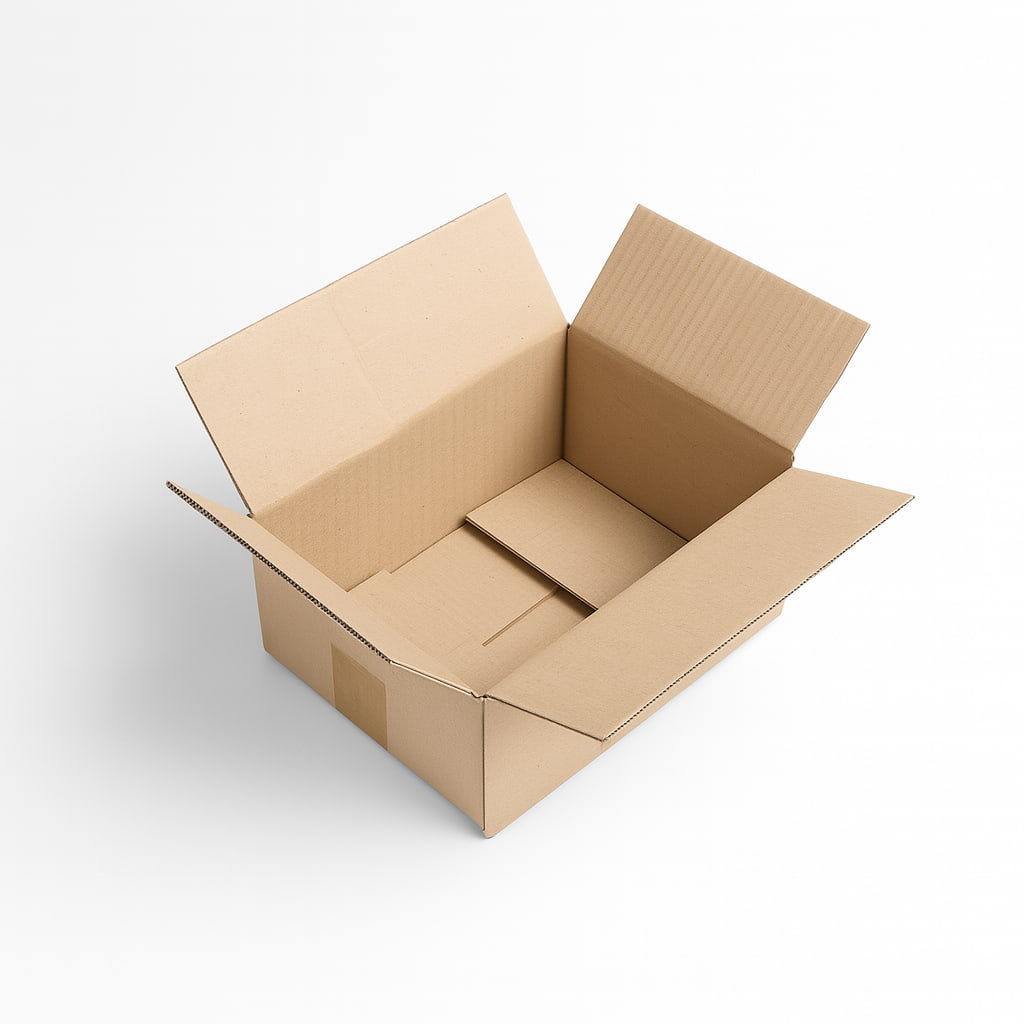
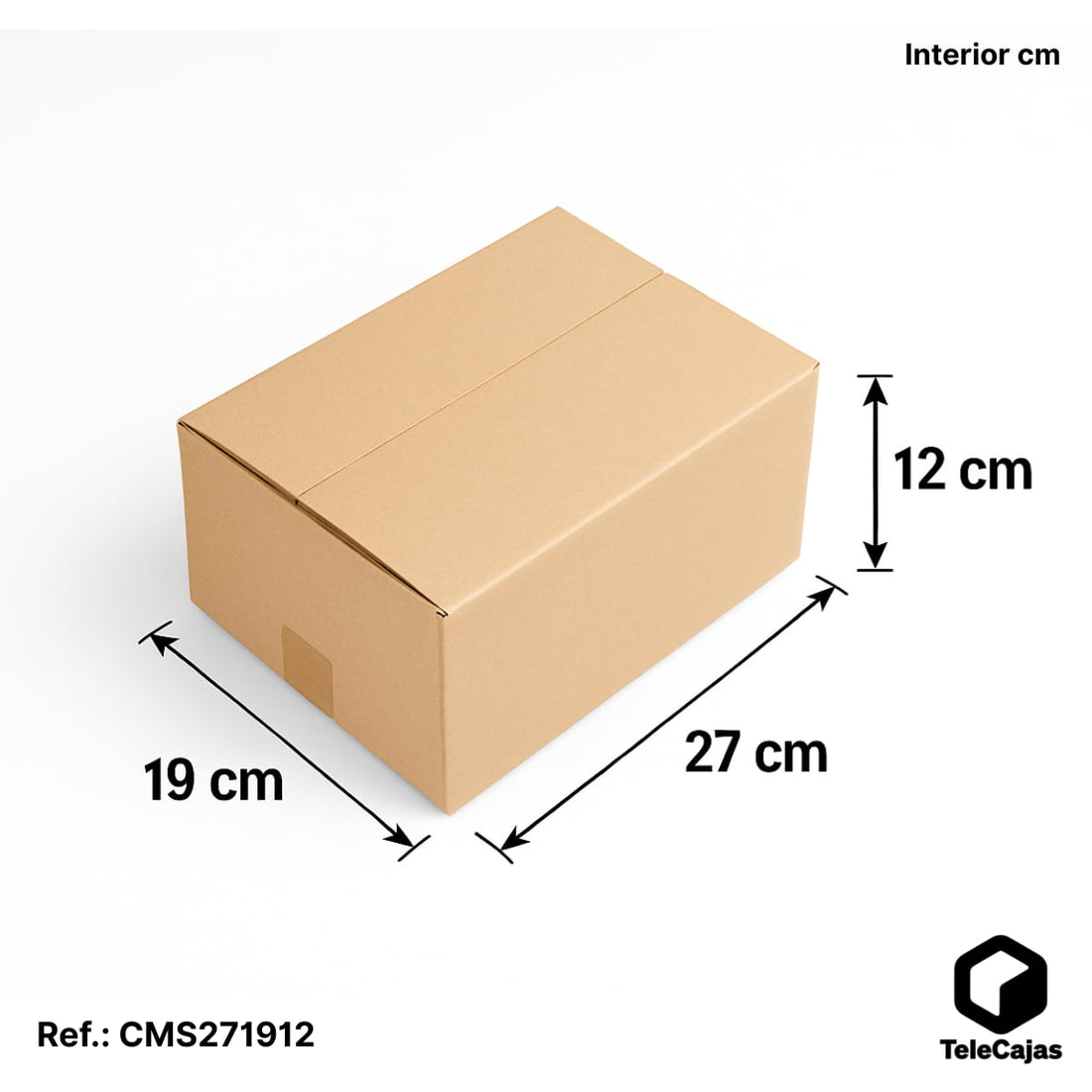
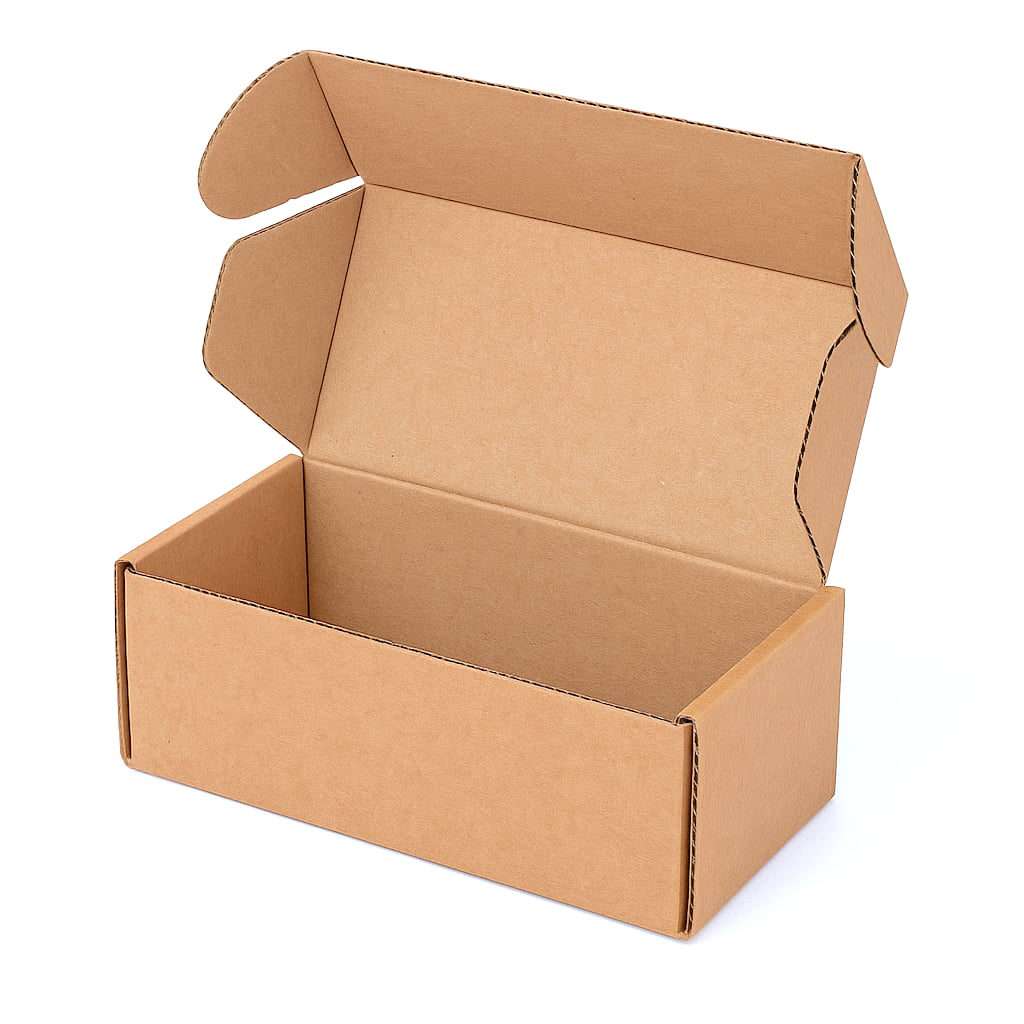
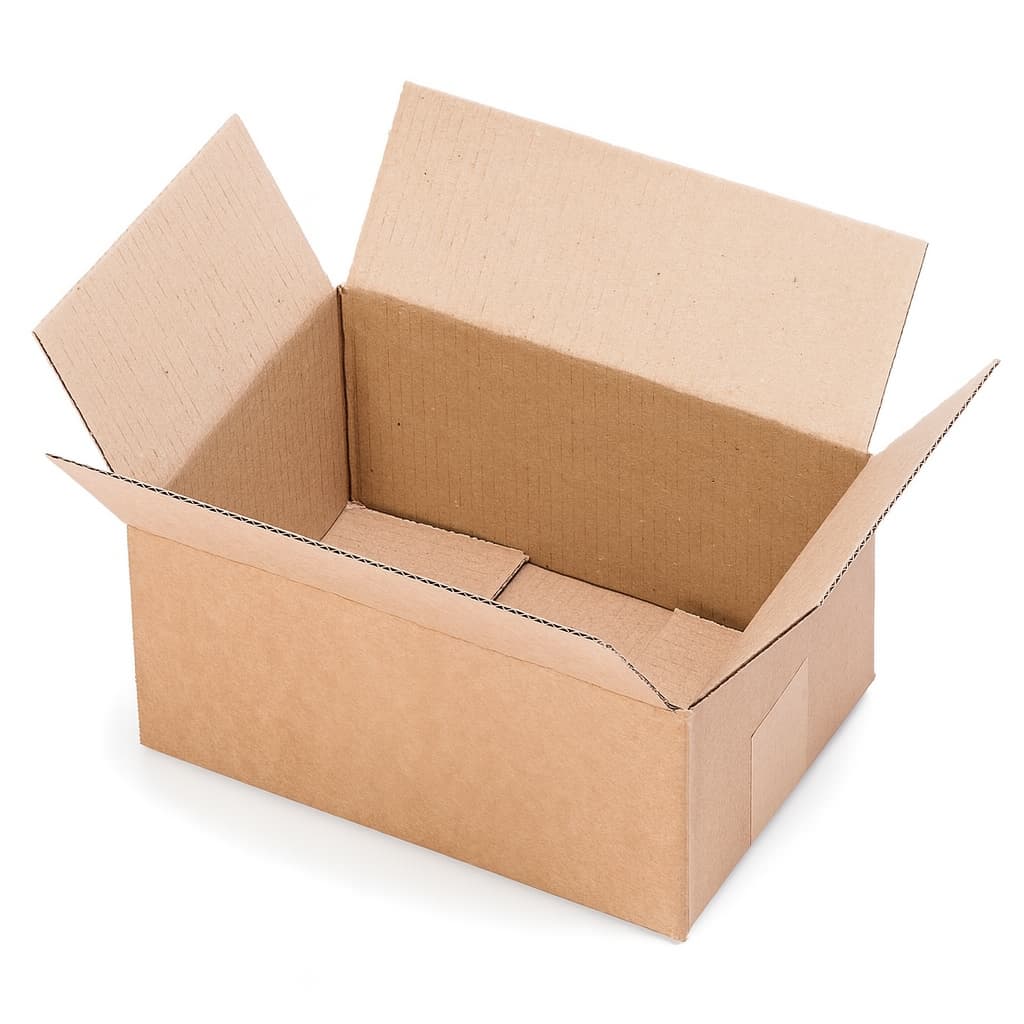
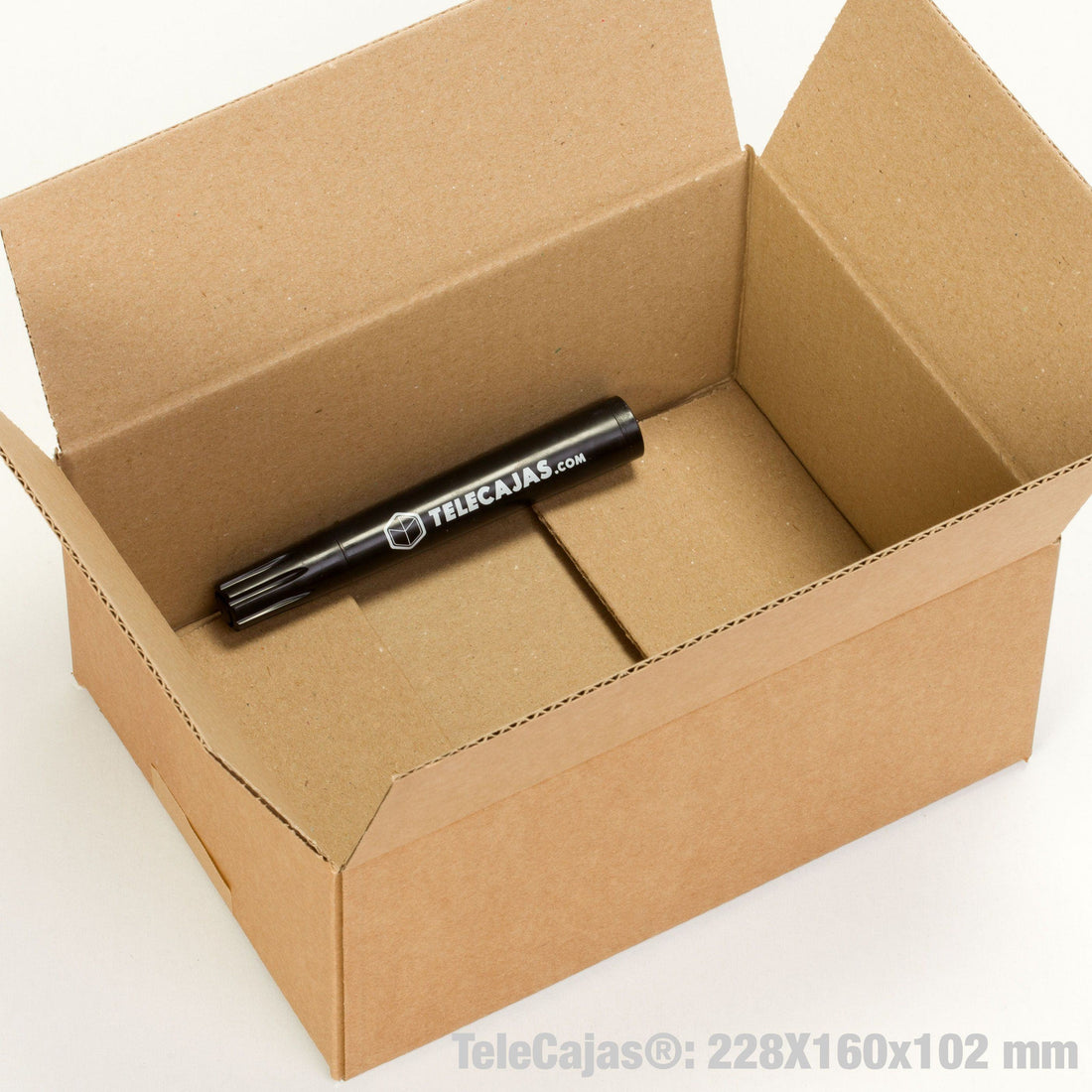
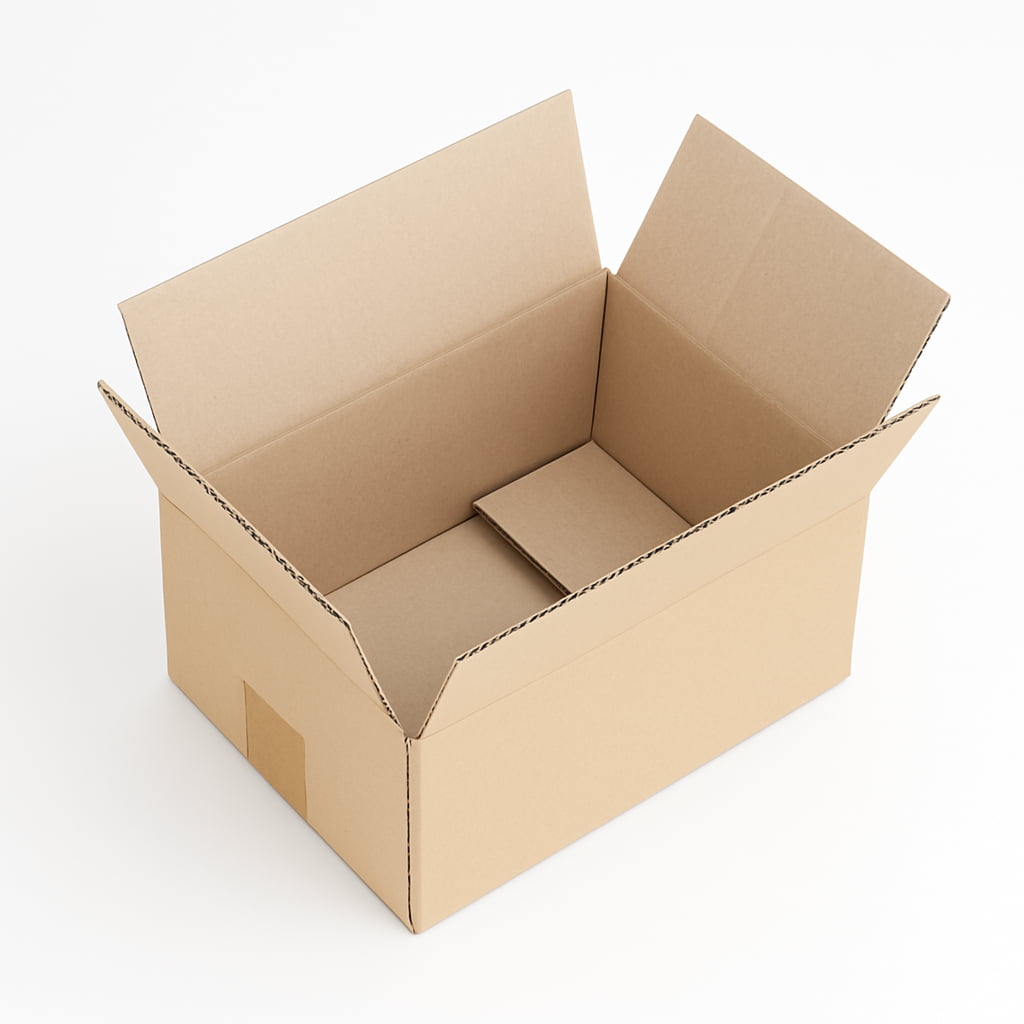
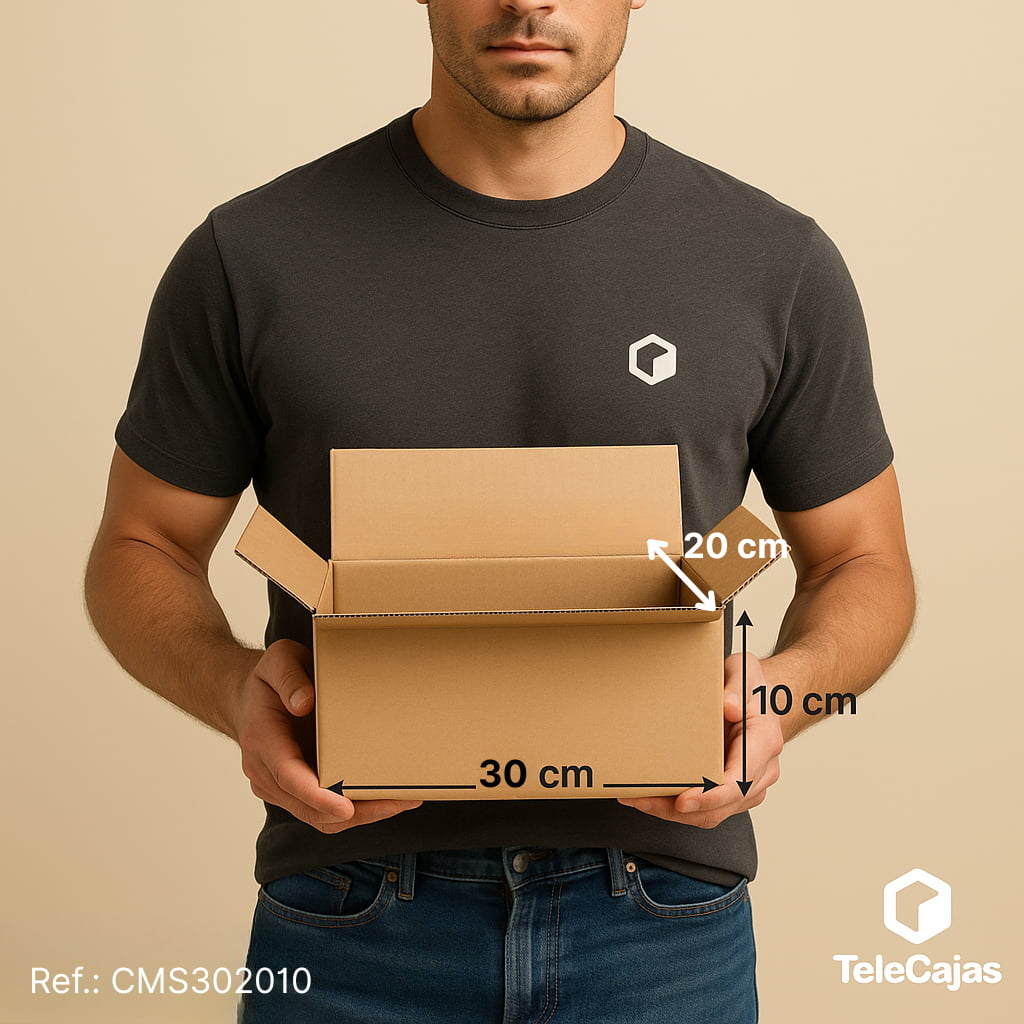
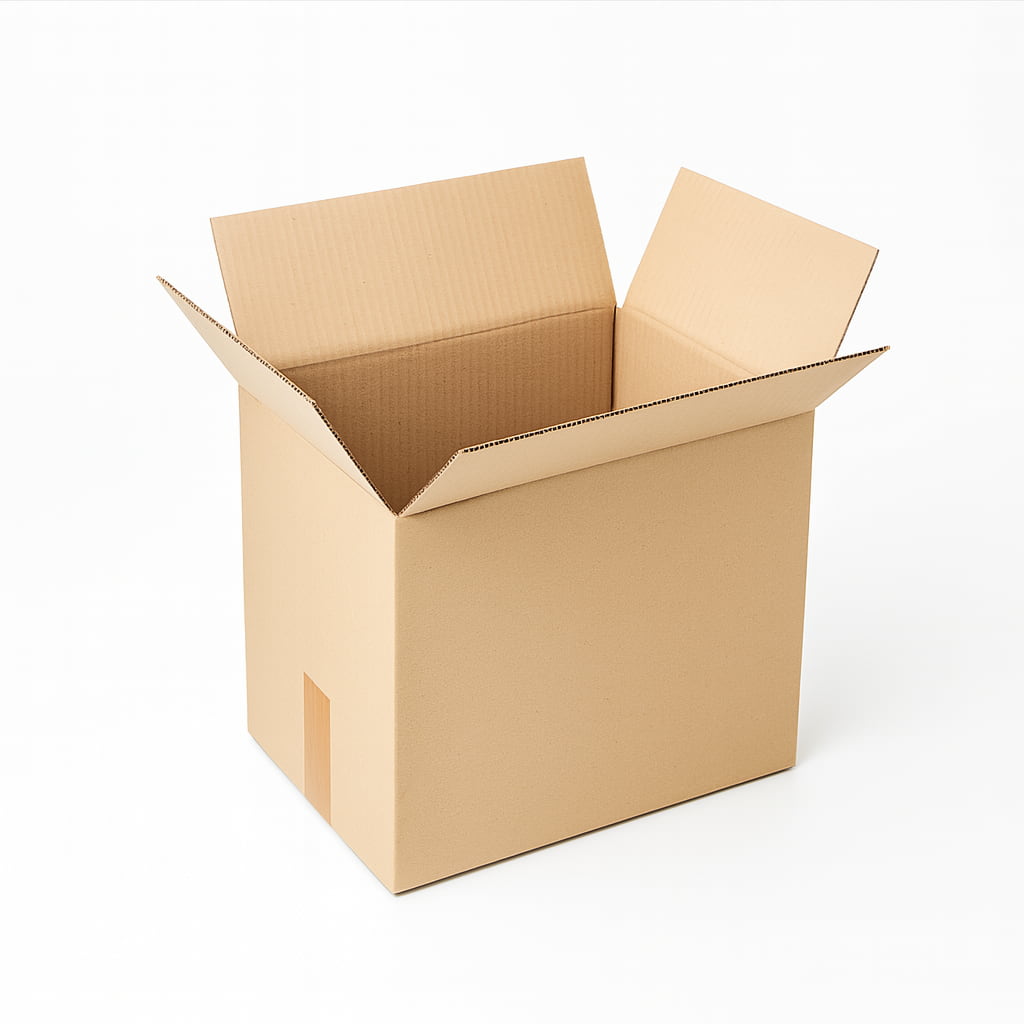
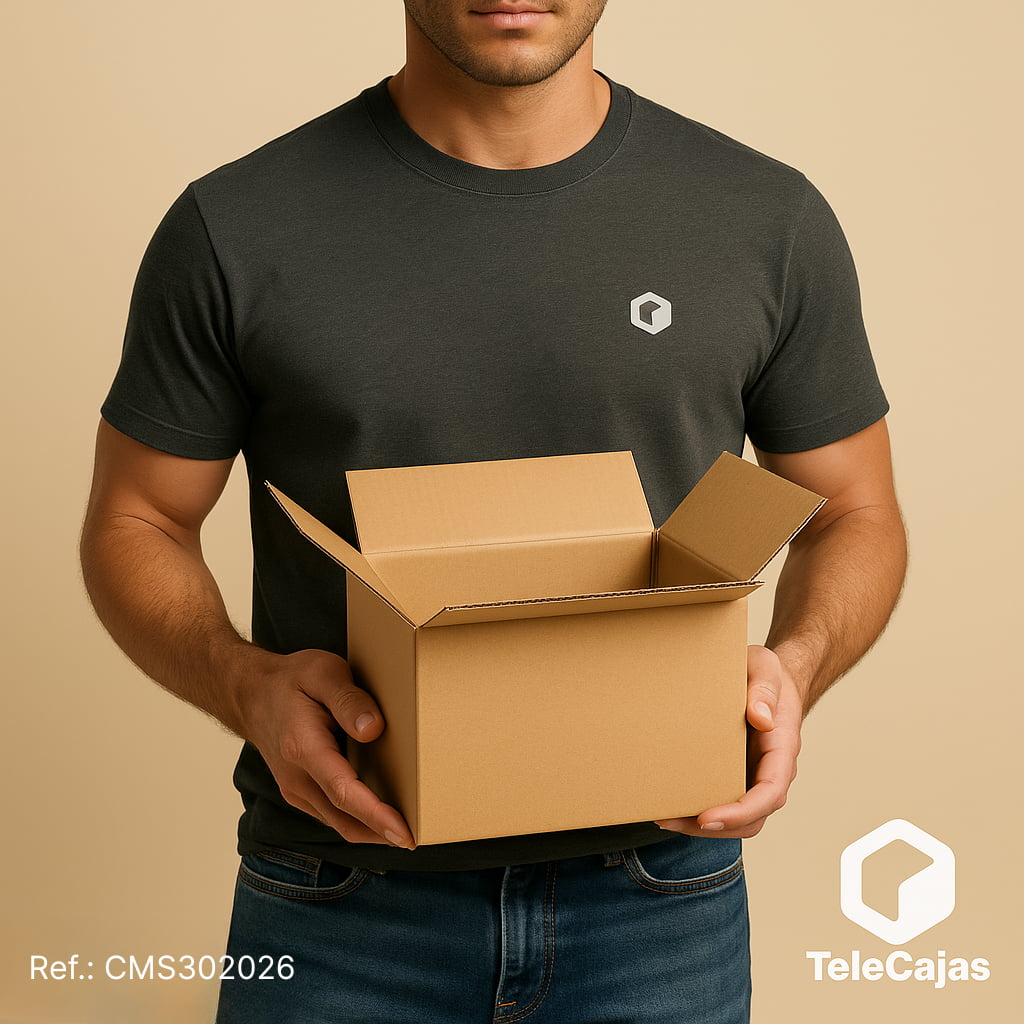
Cardboard boxes are the most widely used packaging material in the world. They are manufactured in different thicknesses depending on the protection you need:
- Single wall: ideal for light products and e-commerce shipments. Economical and lightweight.
- Double wall: greater resistance to stacking and impacts. Recommended for heavy or fragile items.
- Triple wall: for very heavy industrial loads or large parts.
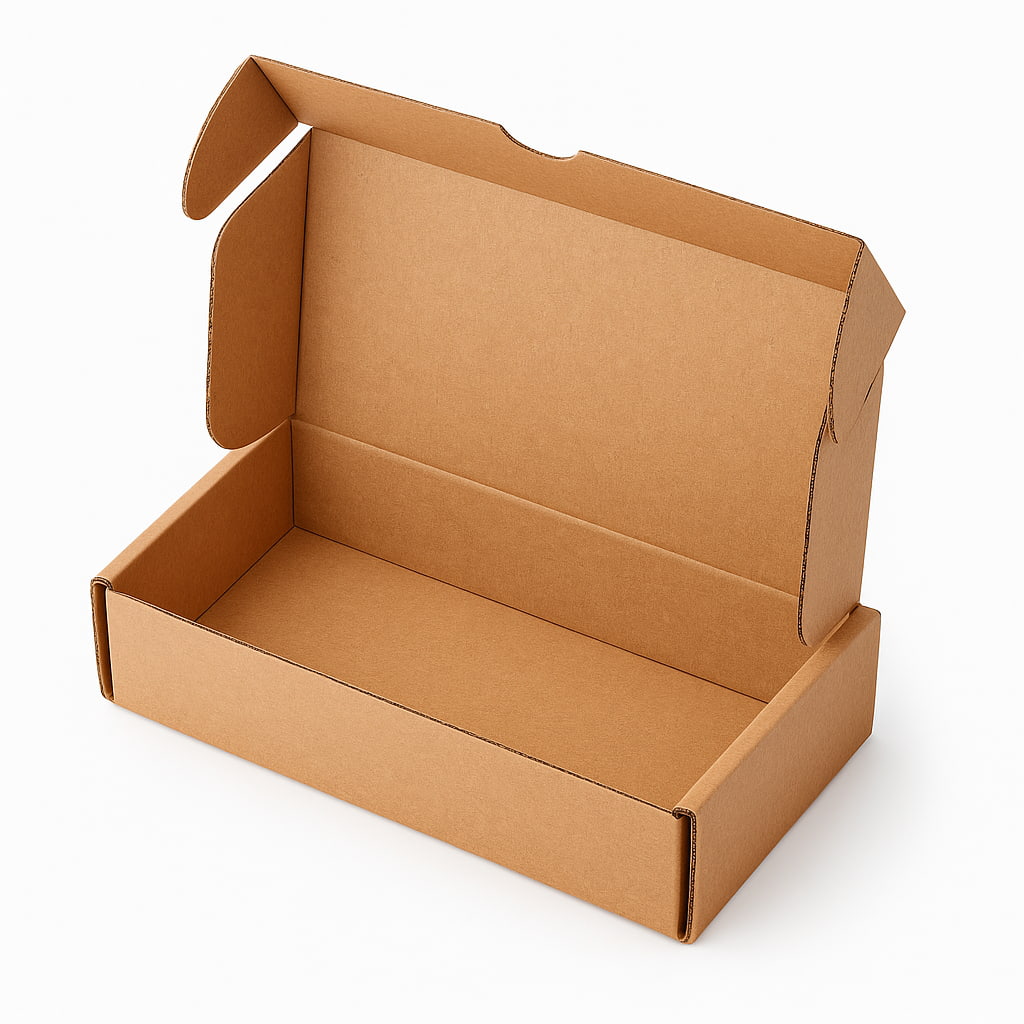
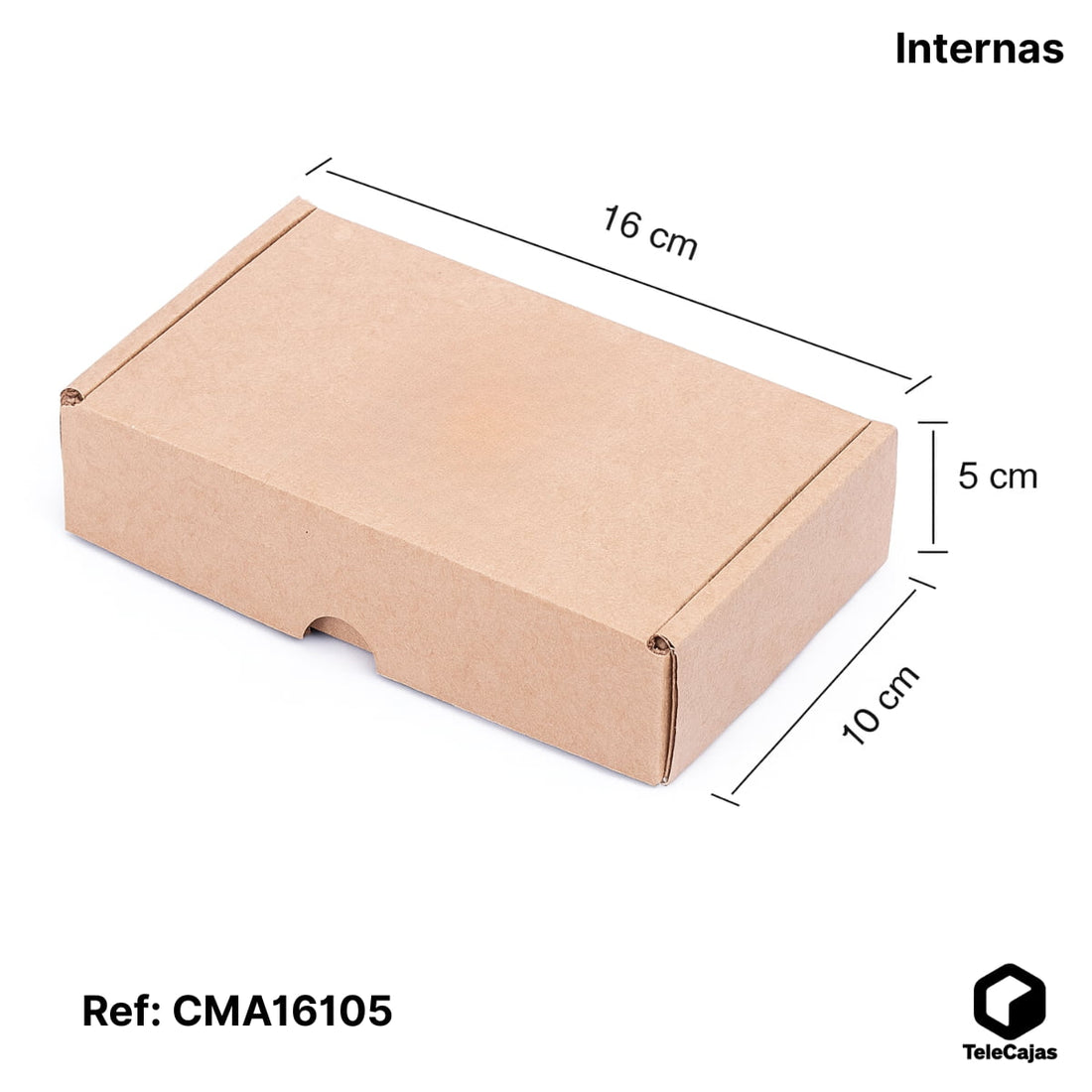
There are also special formats such as self-assembling shipping boxes, large moving boxes, or boxes with telescopic flaps for elongated parts.

2. Bubble Wrap
Bubble wrap is essential for protecting fragile items. Air bubbles absorb shocks and impacts during transport. It comes in various bubble sizes:
- Small bubble (10 mm): for wrapping small items like glassware, electronics, or ceramics.
- Medium bubble (20 mm): general use, good protection-cost ratio.
- Large bubble (30 mm): for bulky items that need maximum cushioning.
It is sold in rolls of different widths and lengths. Consult our complete guide to bubble wrap for more details.
3. Stretch Film
Stretch film (also called pallet stretch film) is an elastic plastic sheet that stretches to wrap and secure merchandise on pallets. It is essential in logistics and industry for:
- Stabilizing palletized loads during transport.
- Protecting products from dust and moisture.
- Grouping several packages into a single loading unit.
Available in manual format (for use with a dispenser) and automatic format (for wrapping machines).
For palletizing, MiniFilm. For protecting parts, bubble wrap. For void fill, kraft paper shred.
4. Packing Tape
Packing tape is an essential complement to any box. The most common types are:
- Polypropylene adhesive tape: the most common. Transparent or brown, available in different thicknesses.
- Kraft paper tape: ecological and recyclable along with the box. Ideal if you are looking for 100% sustainable packaging.
- Security tape: leaves a mark if someone tries to open it, perfect for shipments that require tamper-proof assurance.

5. Kraft Paper and Void Fill Paper
Kraft paper is a versatile packaging material: it can be used to wrap products, fill gaps inside boxes, or as a protective surface layer. Its main advantages are that it is recyclable, biodegradable, and economical. You can also use crumpled paper or tissue paper for delicate products like clothing or cosmetics.
6. Protective Fillers
To prevent items from moving inside the box, you need void fill material. The most common options:
- Polystyrene chips (packing peanuts): lightweight and economical, they fill empty spaces well.
- Polyethylene foam: sheets or planks for wrapping fragile parts. Superior protection.
- Crumpled or shredded paper: an ecological alternative to polystyrene chips.
- Air cushions: inflated bags that absorb shocks. Very lightweight, they barely increase shipping weight.
7. Envelopes and Shipping Bags
Not everything requires a box. For flat, flexible, or lightweight items, padded envelopes and shipping bags are a more economical and compact alternative. There are:
- Padded bubble envelopes: for small electronics, jewelry, books.
- Rigid cardboard envelopes: for documents, photos, or items that should not be bent.
- Opaque plastic bags: for textiles and non-fragile items. Lightweight and water-resistant.
8. Eco-Friendly Packaging Material
Sustainability is increasingly important in packaging. Some ecological alternatives to traditional materials:
- Recycled cardboard: cardboard boxes are recyclable, and many are already made from recycled material.
- Kraft paper: biodegradable and recyclable. Replaces bubble wrap for light protection.
- Cornstarch void fill: biodegradable chips that dissolve in water.
- Gummed paper tape: recycled along with the box, without needing to separate materials.

How to Choose the Right Packaging Material?
To choose the correct packaging, consider these factors:
- Product fragility: fragile items need bubble wrap, foam, or additional void fill.
- Weight and size: heavy products require double or triple-wall boxes.
- Type of transport: courier shipments suffer more impacts than pallet distribution.
- Cost: balance protection and budget. Over-packaging increases shipping costs; under-packaging leads to returns.
- Sustainability: if your brand is committed to being eco-friendly, choose recyclable or biodegradable materials.
Frequently Asked Questions about Packaging Material
What is the best material for e-commerce shipments?
For most e-commerce shipments, the combination of a self-assembling box of the appropriate size, bubble wrap to protect the product, and adhesive tape to seal is the most efficient solution. For small, non-fragile items, a padded envelope may suffice.
What packaging material do I need for a move?
For a move, you will need cardboard boxes of various sizes (large for clothes and textiles, medium for books and kitchen items), bubble wrap for fragile items, kraft paper for wrapping, packing tape, and markers for labeling.
How much bubble wrap do I need per shipment?
As a general rule, wrap each fragile item with at least two layers of bubble wrap and fill any gaps in the box so that the contents do not move. Estimate about 2-3 meters of bubble wrap for each medium box with fragile items.
Which packaging material is the most ecological?
Recycled cardboard boxes, kraft paper, gummed paper tape, and cornstarch chips are the most sustainable options. Avoid expanded polystyrene (Styrofoam) if you are looking for 100% recyclable packaging.
Where to buy packaging material?
At TeleCajas you can buy all the packaging materials you need from 1 unit, with shipping in 24-48 hours and free from €50. We are specialists in packaging for businesses and individuals throughout Spain and Portugal.
Need packaging material? Explore our complete catalog in our online store or contact us at 665 53 23 58 and info@telecajas.com. We will advise you without obligation.