Sustainable packaging isn't just a stamp on the box or a kraft color. It's about choosing truly recyclable materials, using the right-sized box, and stopping plastic void fill when cardboard or paper can do the same job.
At TeleCajas, we already sell that transition: recyclable cardboard boxes, kraft paper, paper tape, and kraft envelopes. This guide is a practical roadmap for e-commerce businesses and anyone shipping from home.
What is sustainable packaging (and what isn't)
It's sustainable if it meets at least one of these criteria, and even better if it meets several:
- The material can be recycled in the blue bin without separating tape, void fill, and box.
- It comes from recycled fiber or sustainably managed forests (FSC).
- It can be reused before being recycled.
- The design doesn't force you to ship air: the product fits the box, not the other way around.
It's not sustainable just because it's brown, has a palm leaf on the lid, or says "eco" in the description. A cardboard box with half a meter of empty space and plastic tape is still a bad shipment. Nor is it sustainable to copy European regulations without actually changing the packaging.
In Spain, Law 7/2022 already pushes for a reduction in single-use plastics and for packaging to be recyclable. If you sell online, the customer sees the packaging before the product. That's where it makes a difference.
Cardboard vs. plastic: what you can change today
Start with what moves the most volume, not with the "prettiest" material.
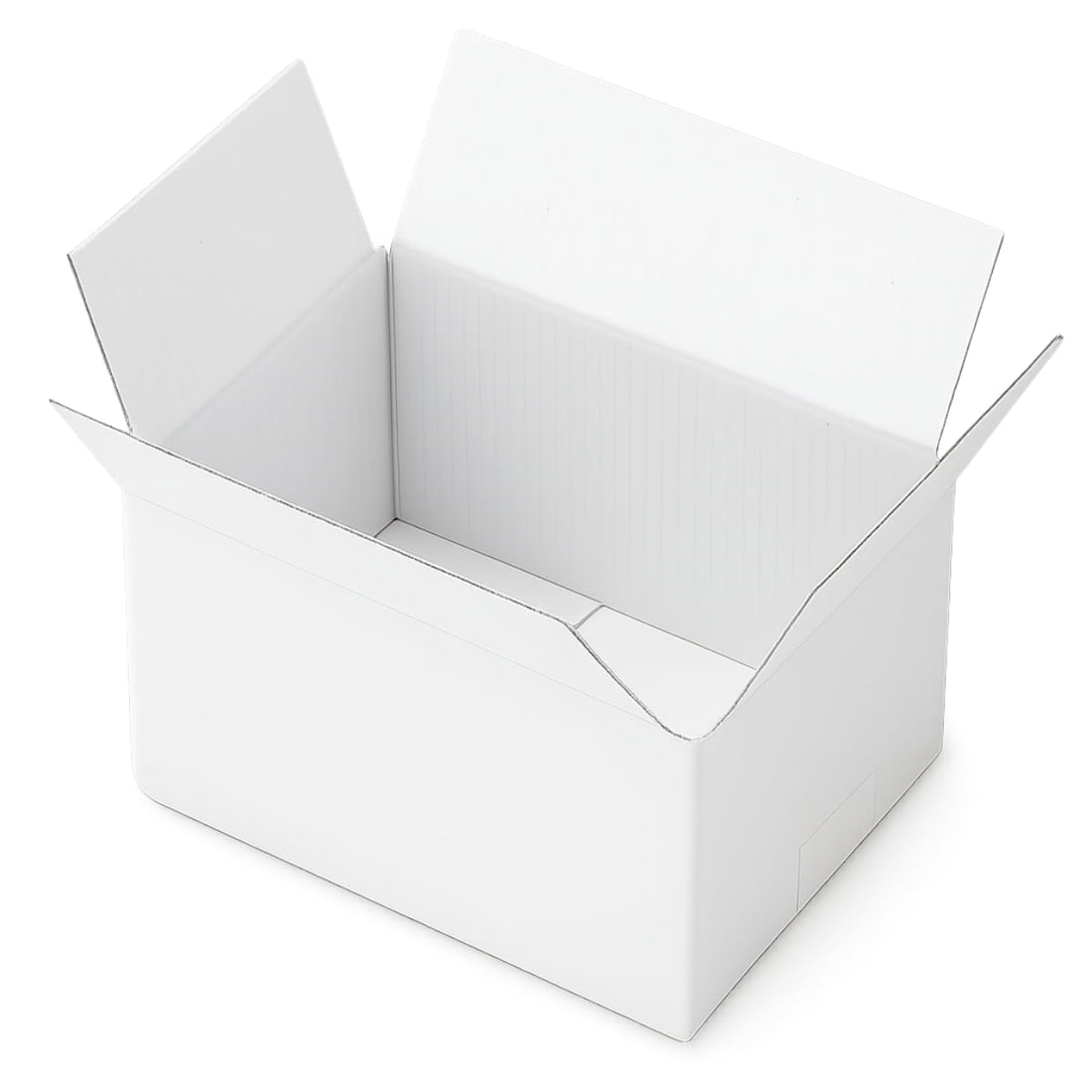
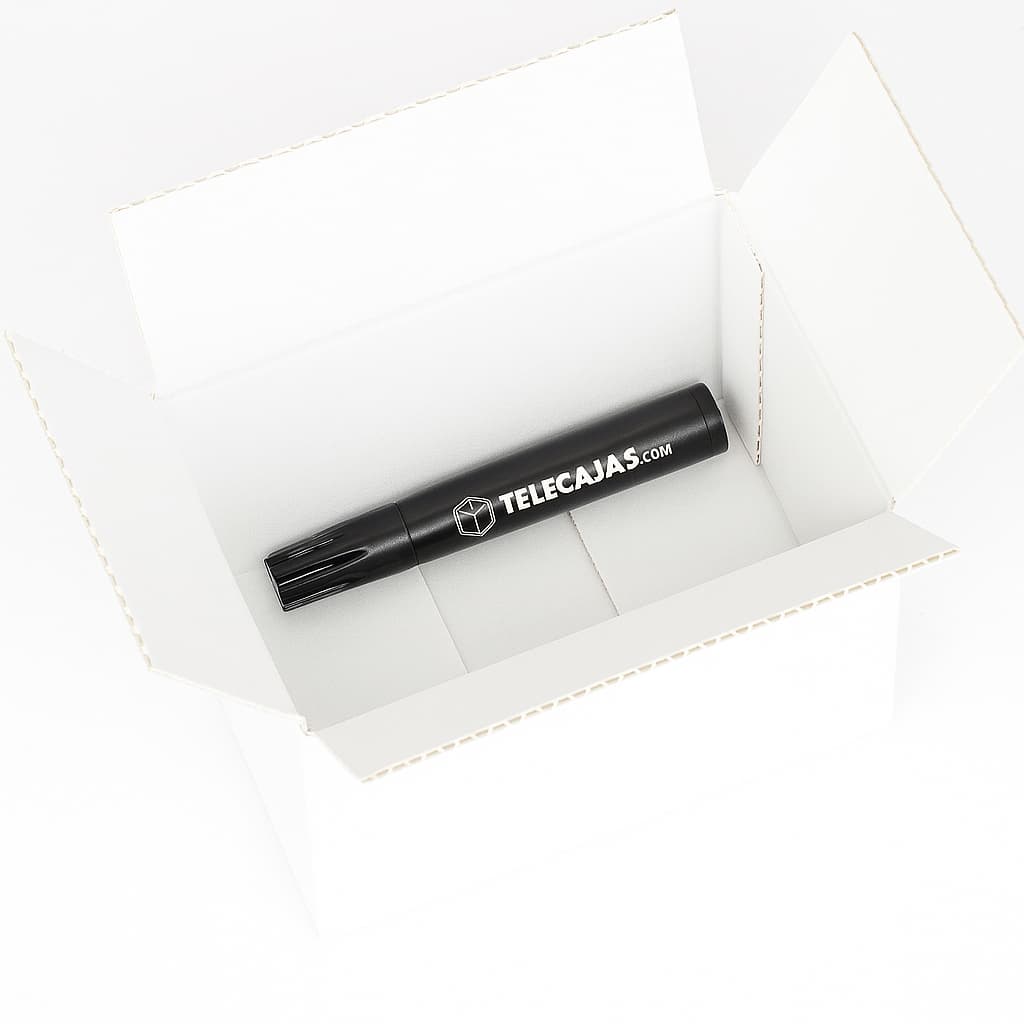
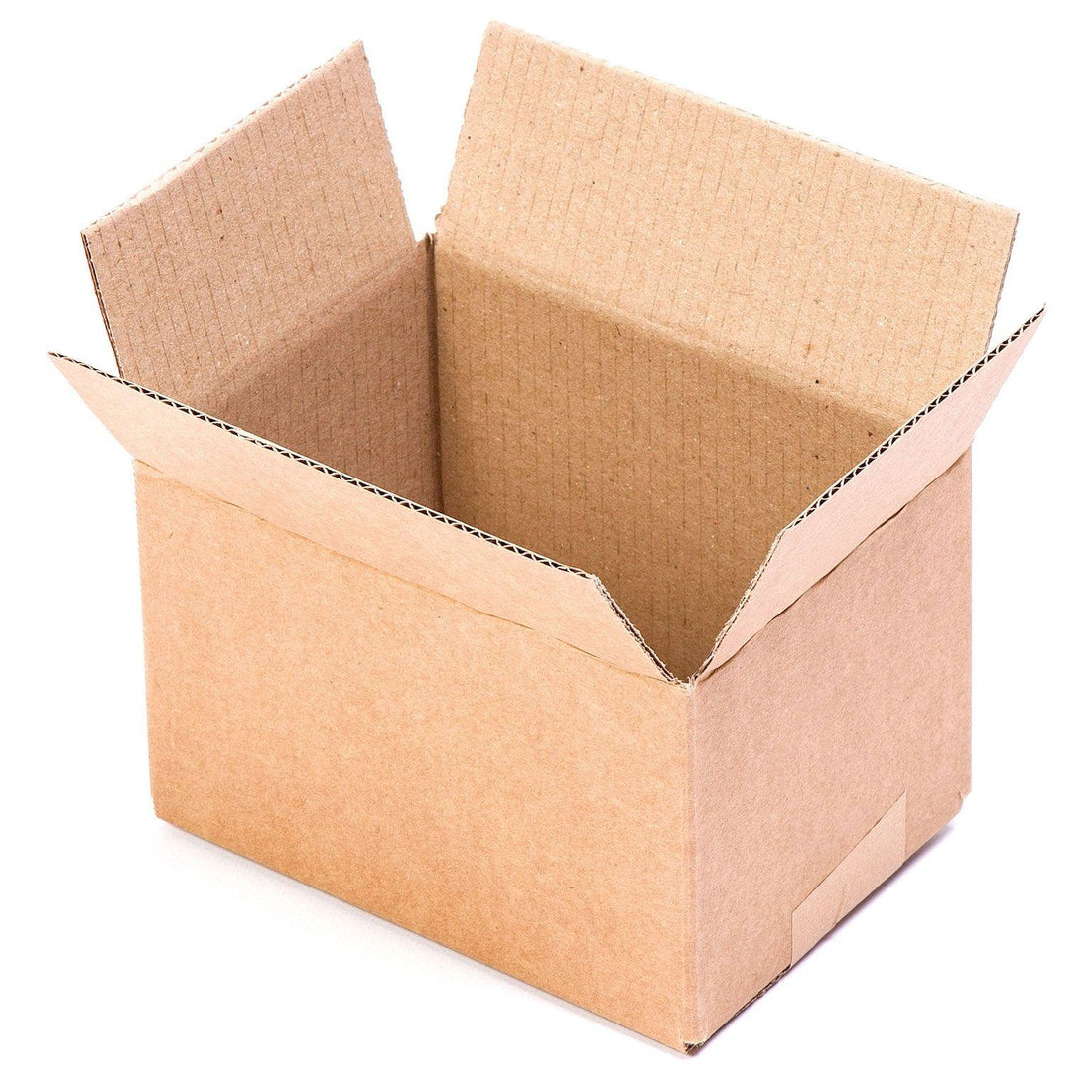
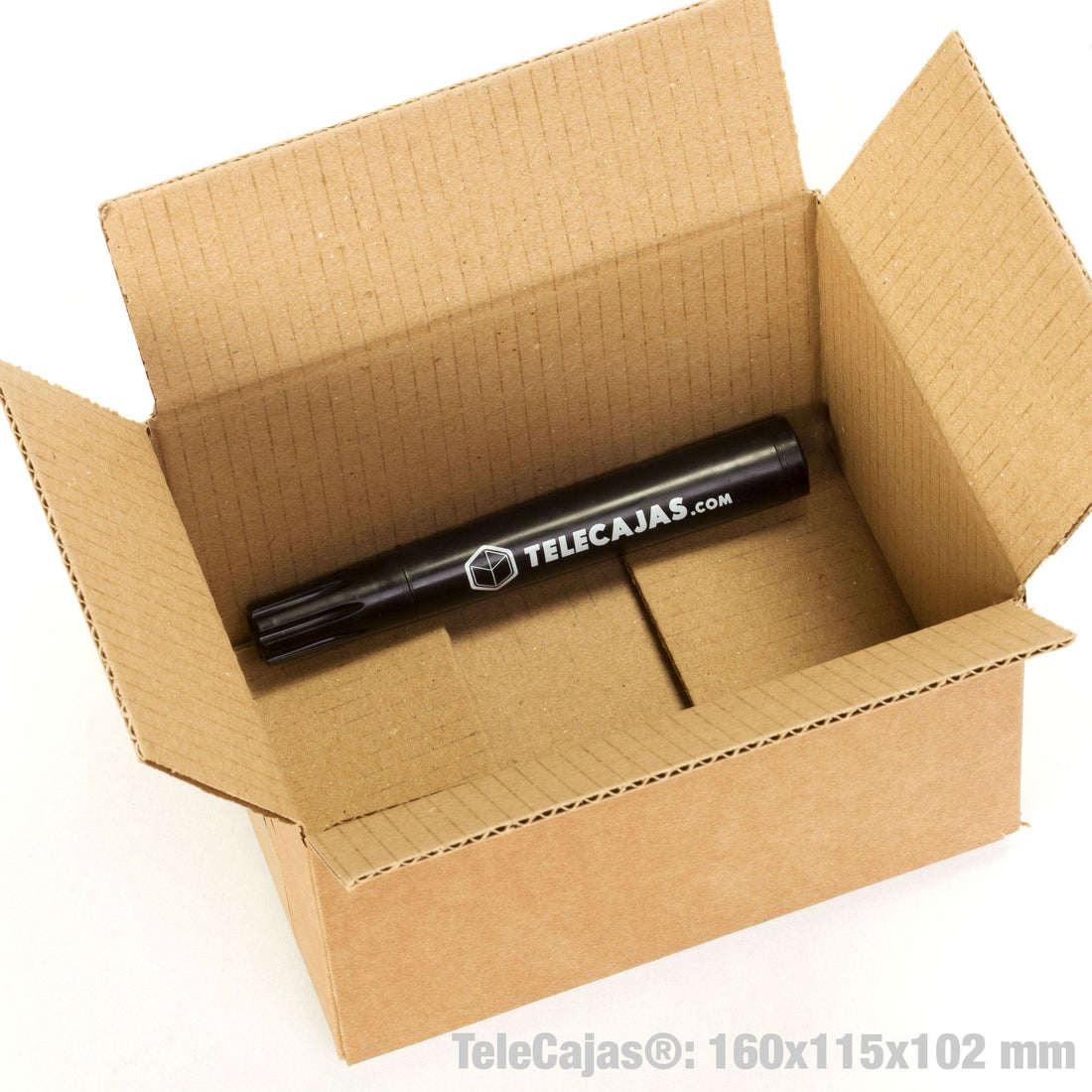
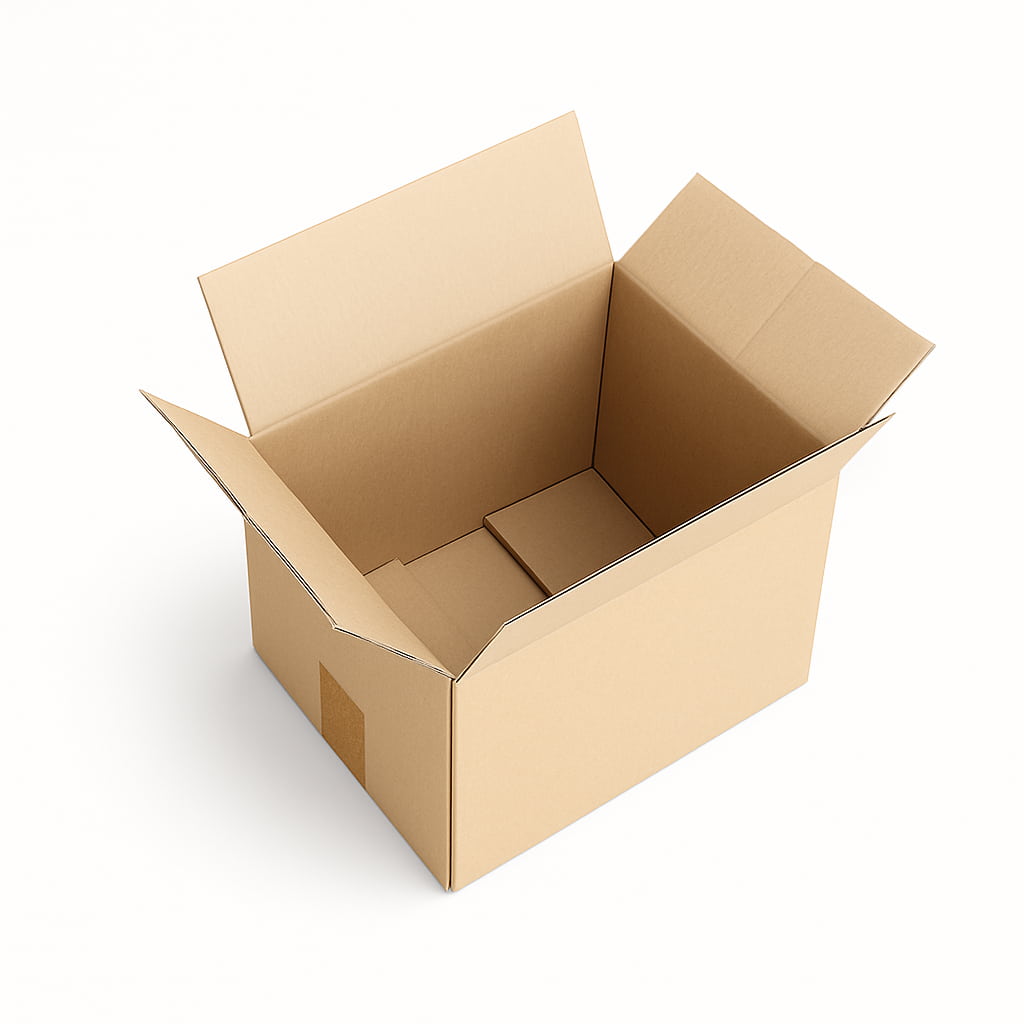
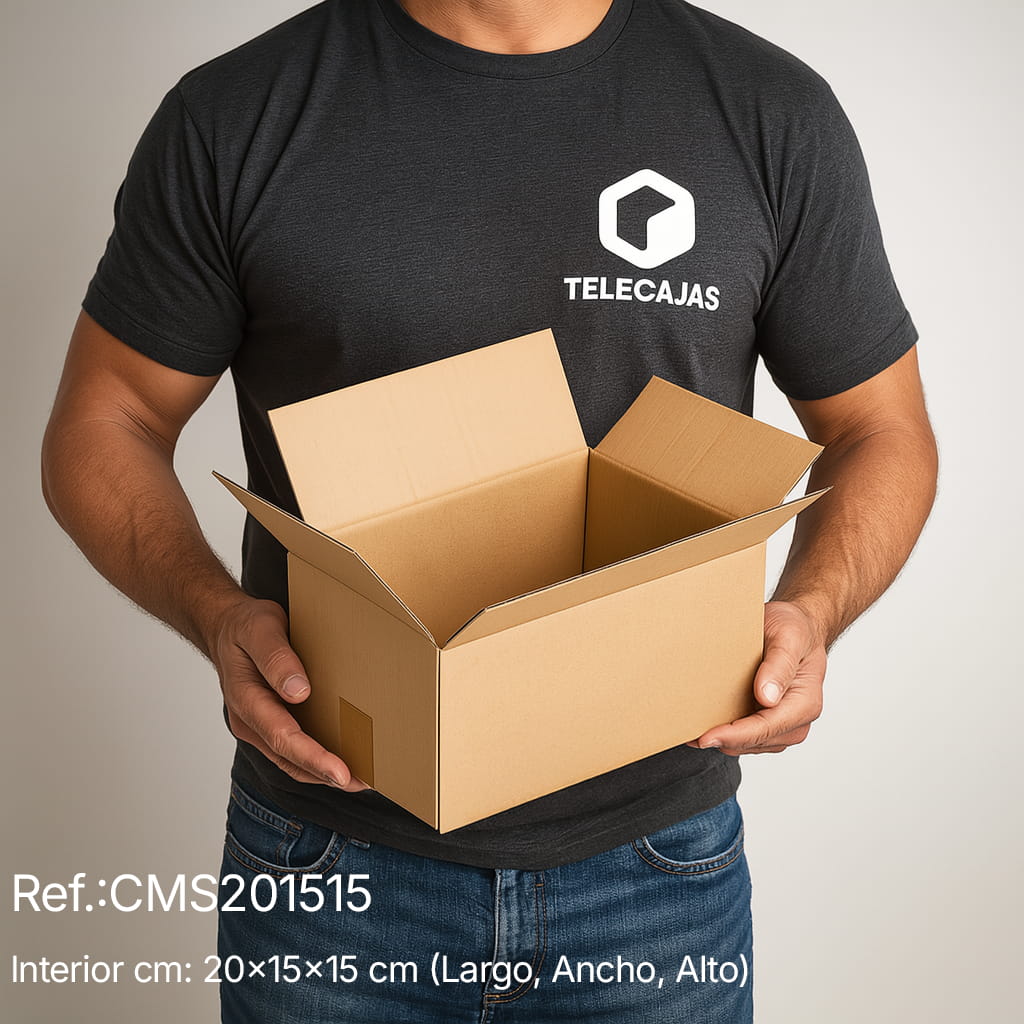
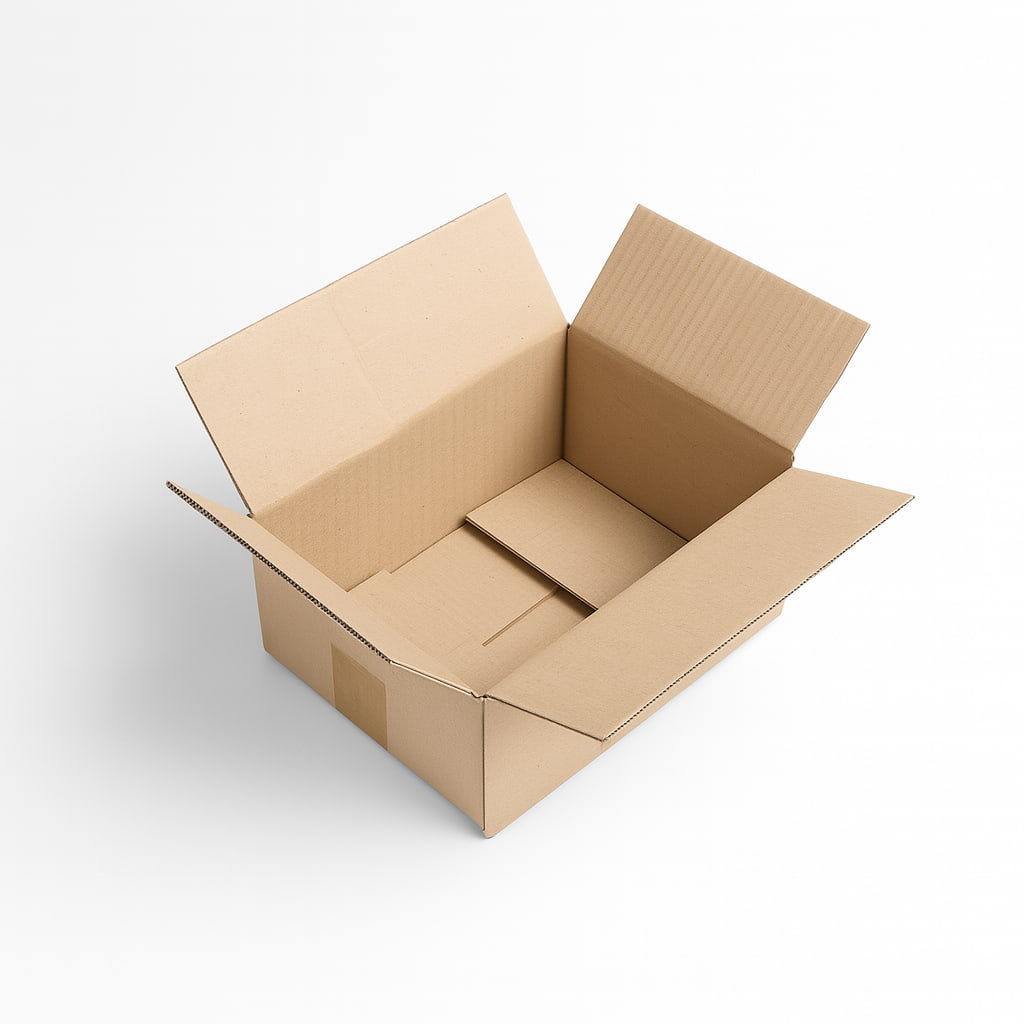
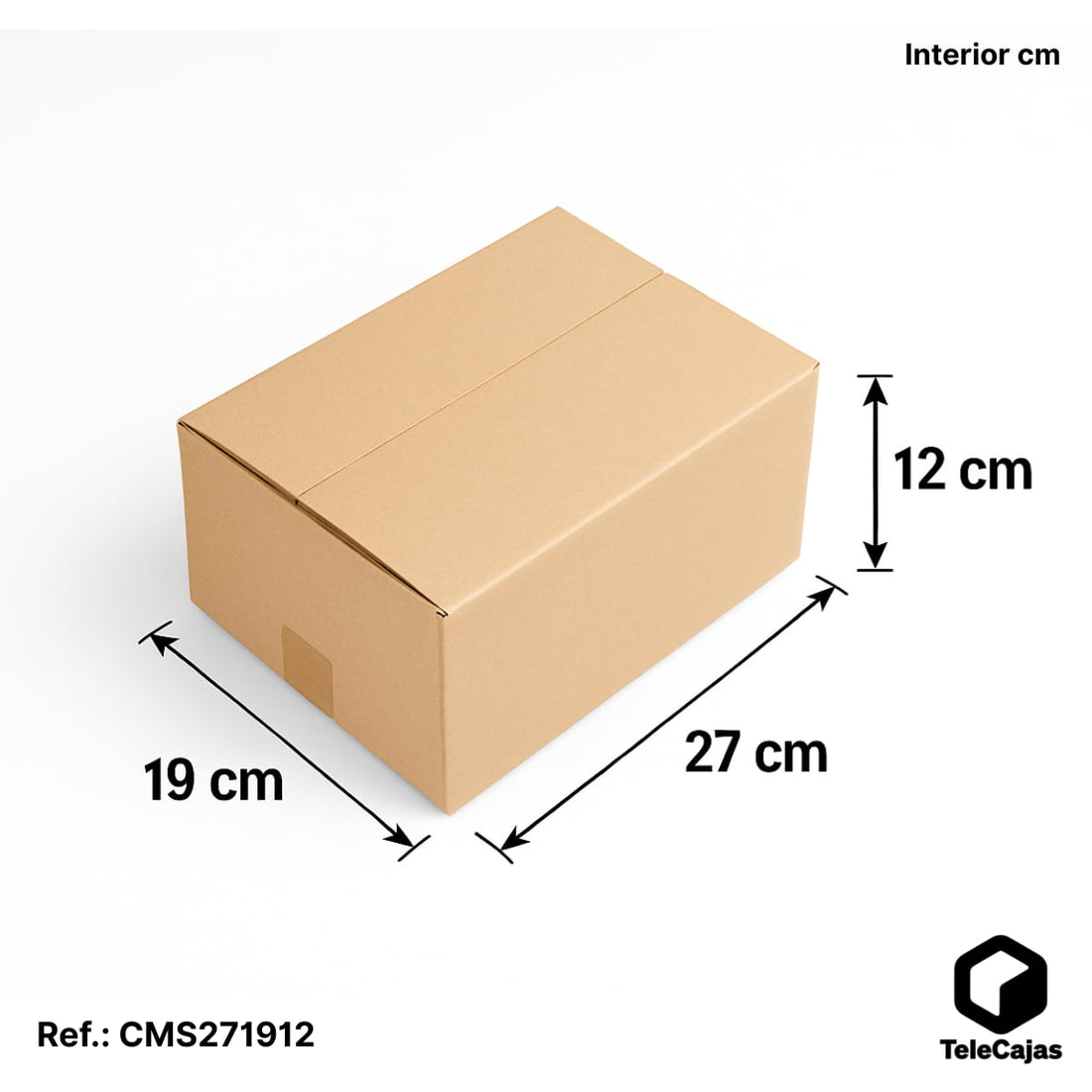
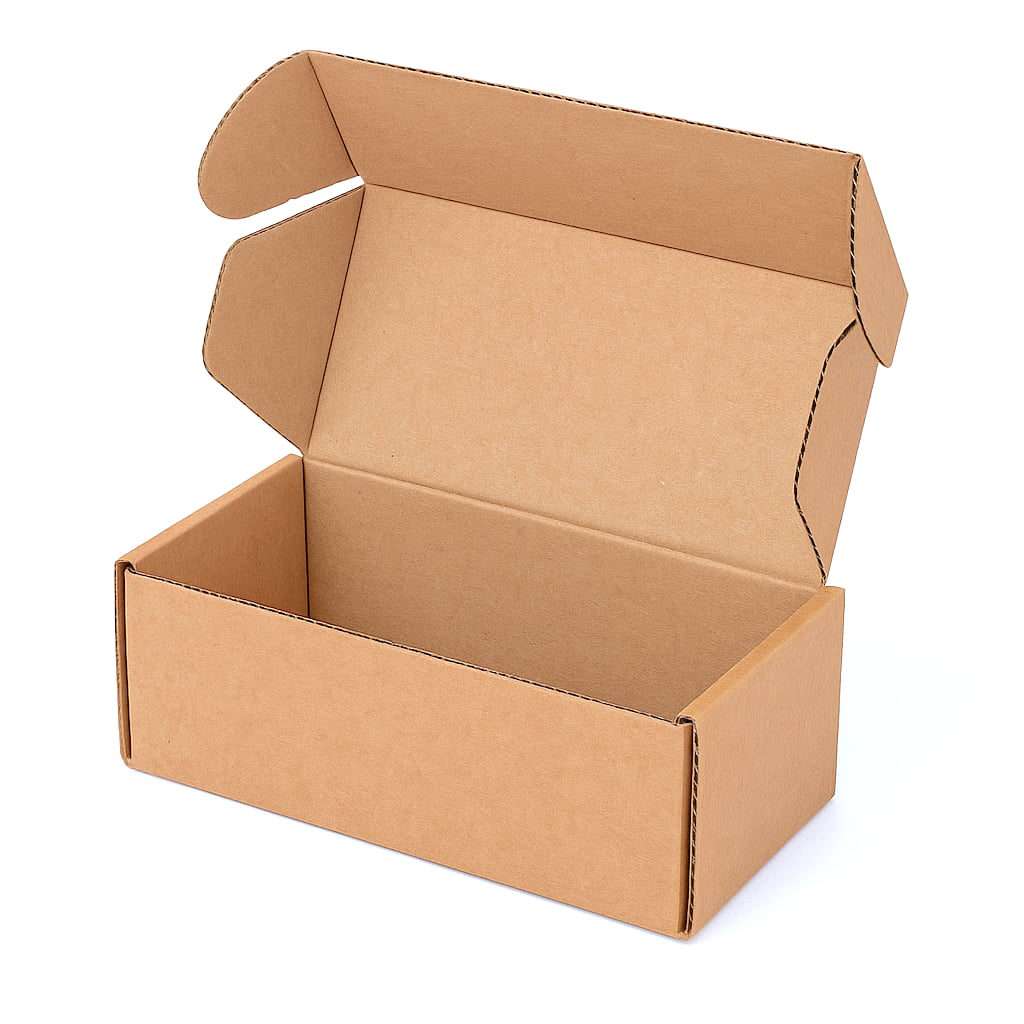
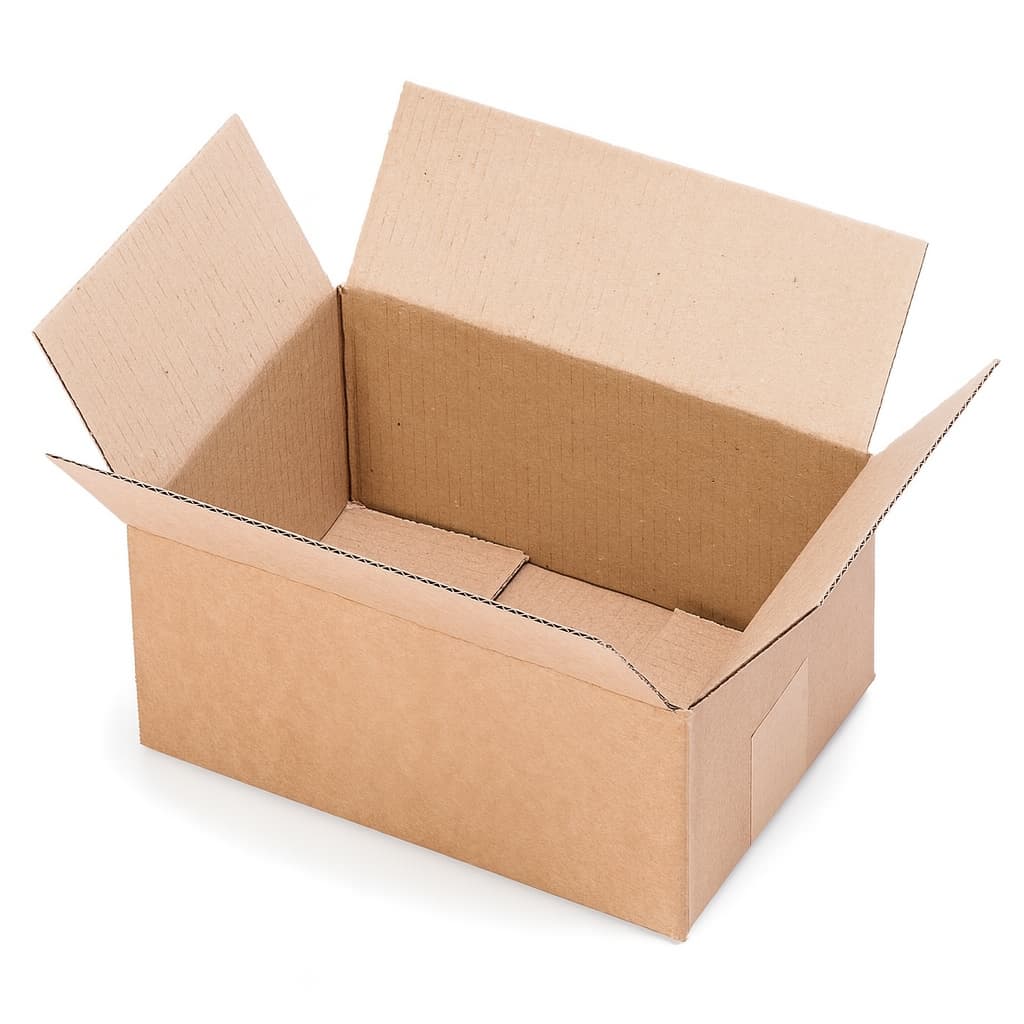
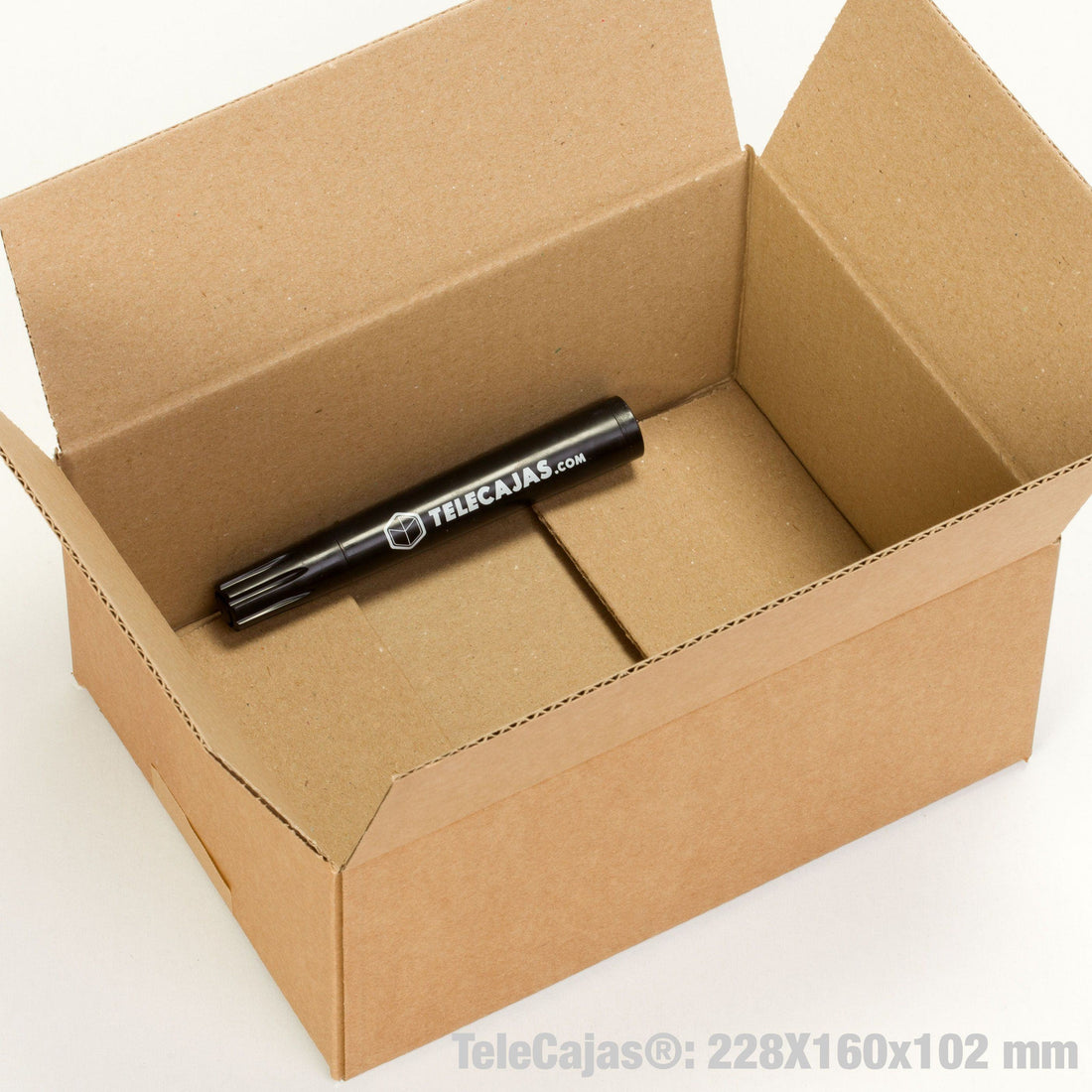
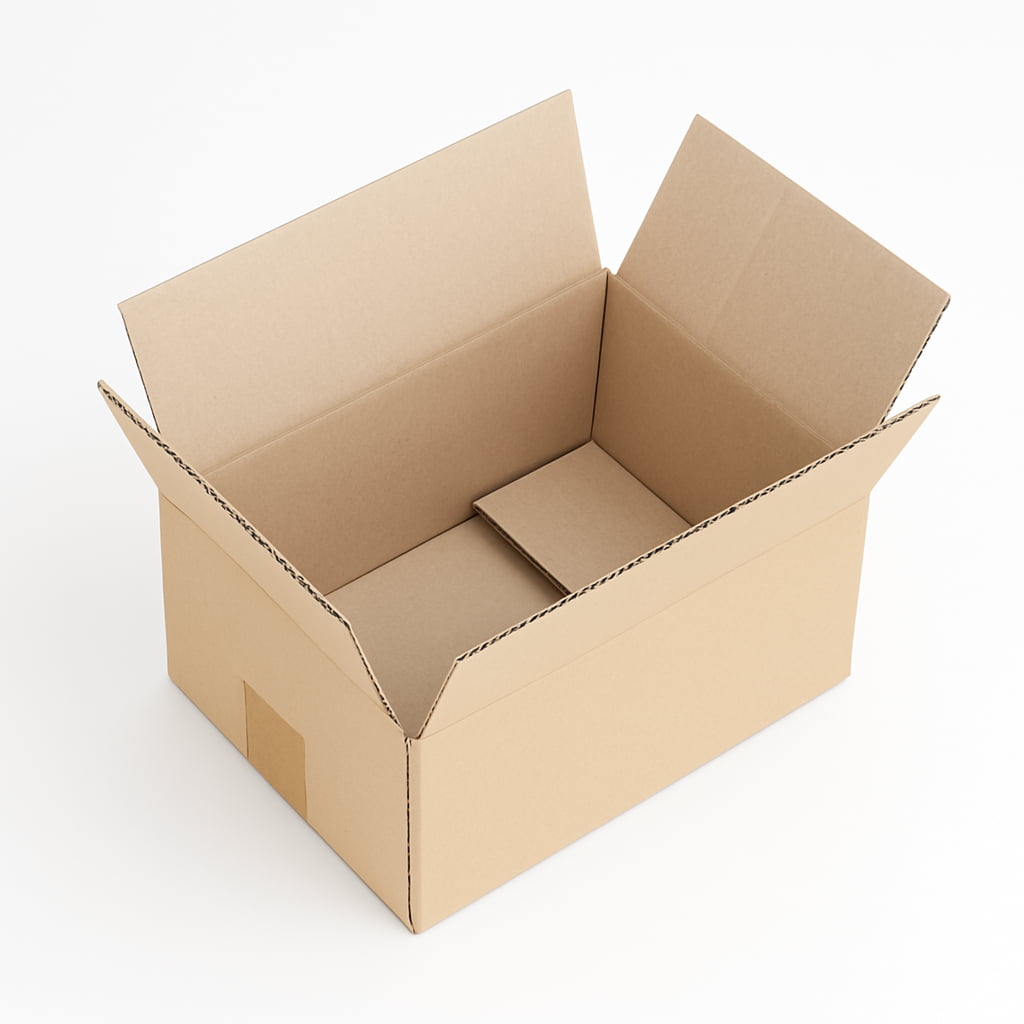
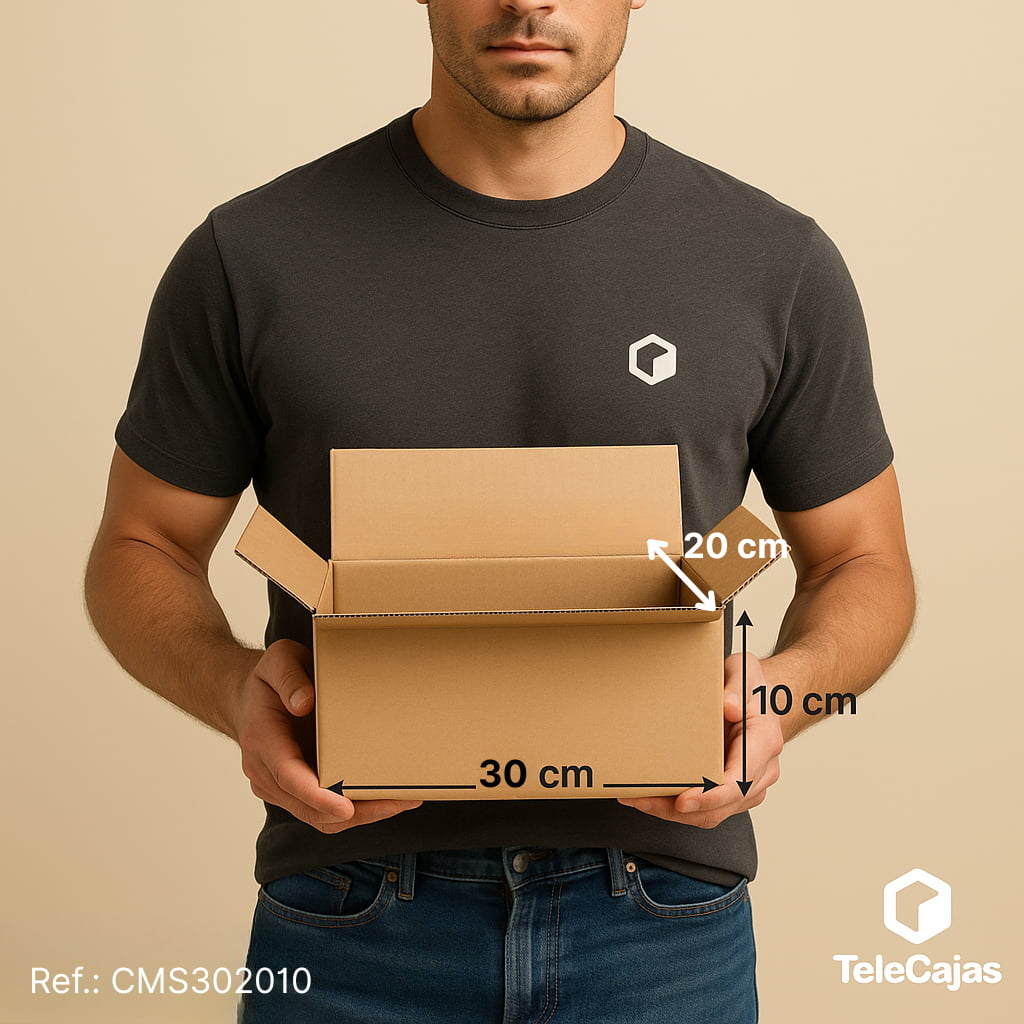
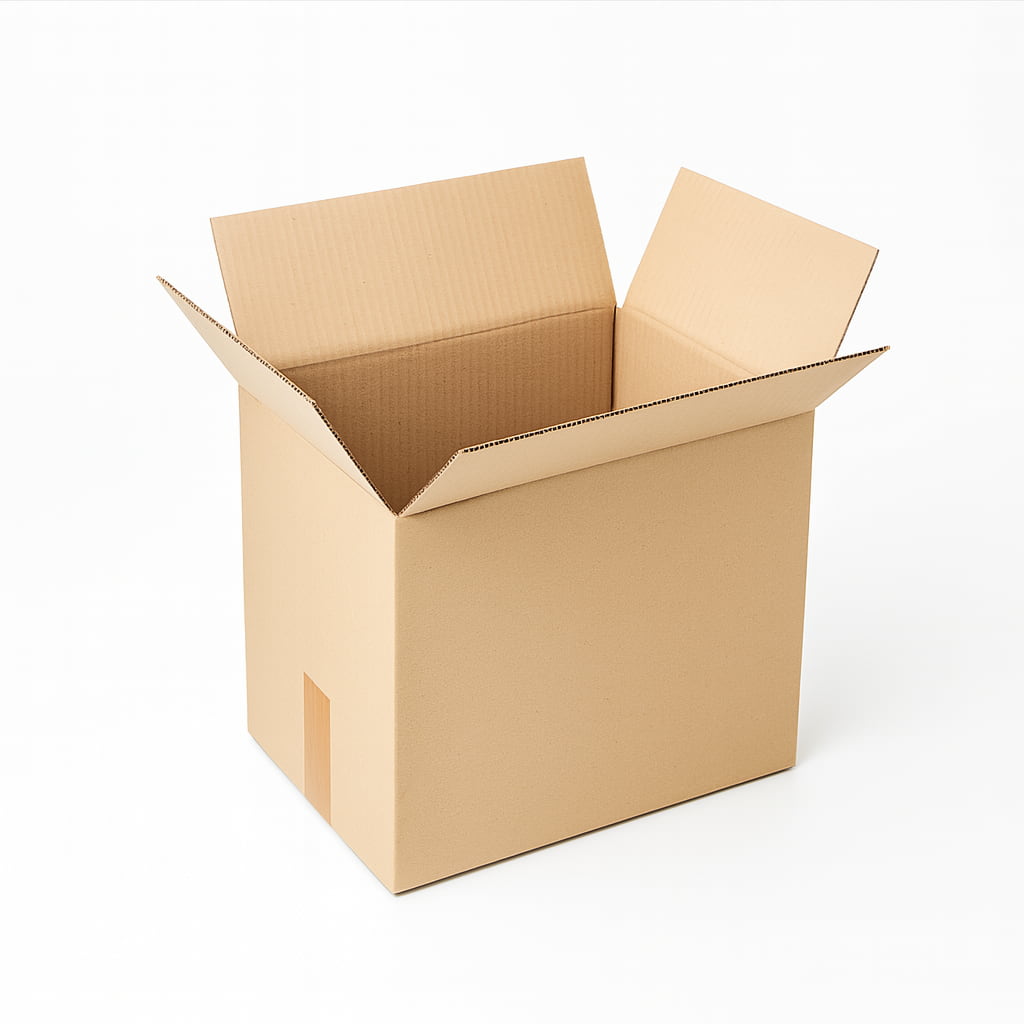
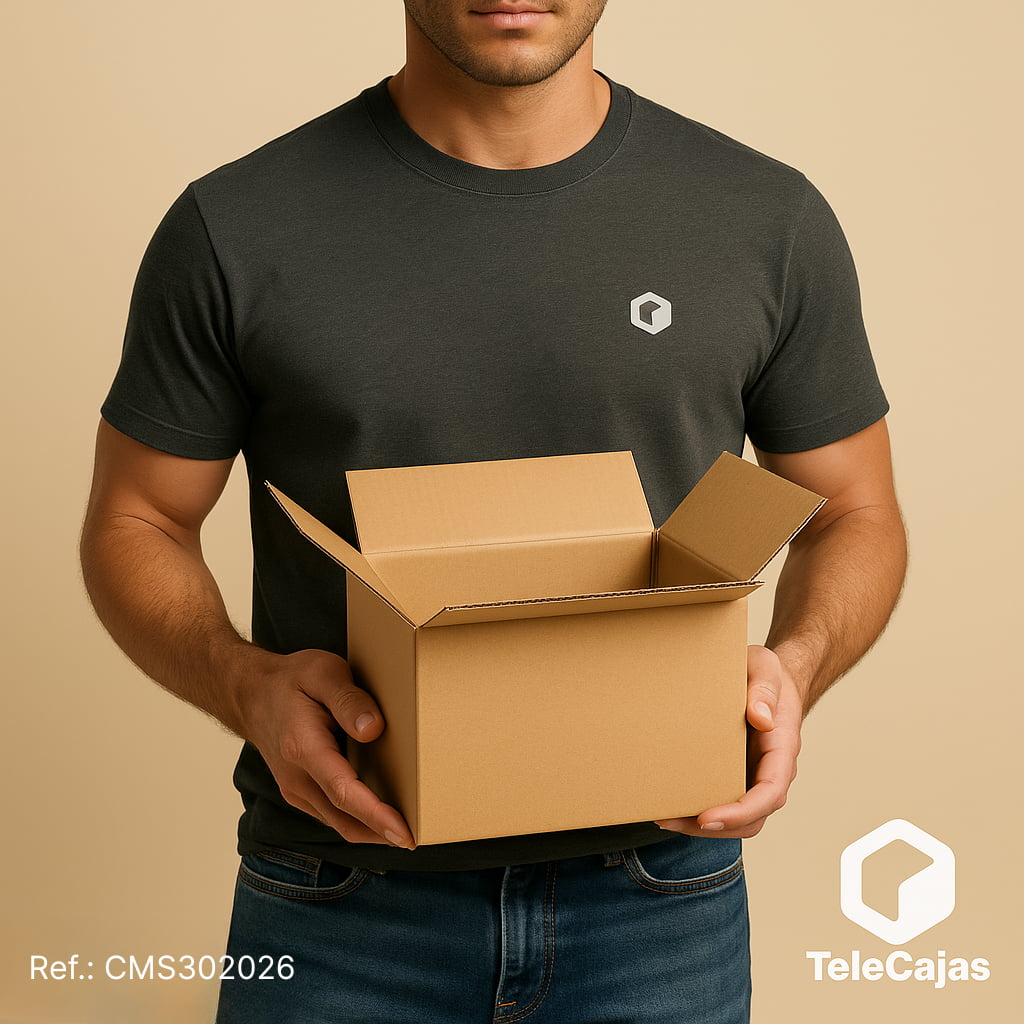
Box. Recyclable corrugated cardboard covers almost all e-commerce and light moving shipments. Single wall for clothes, books, and light products; double wall for fragile or heavy items. The shipping boxes collection is the place to choose by use, not by an extra millimeter.
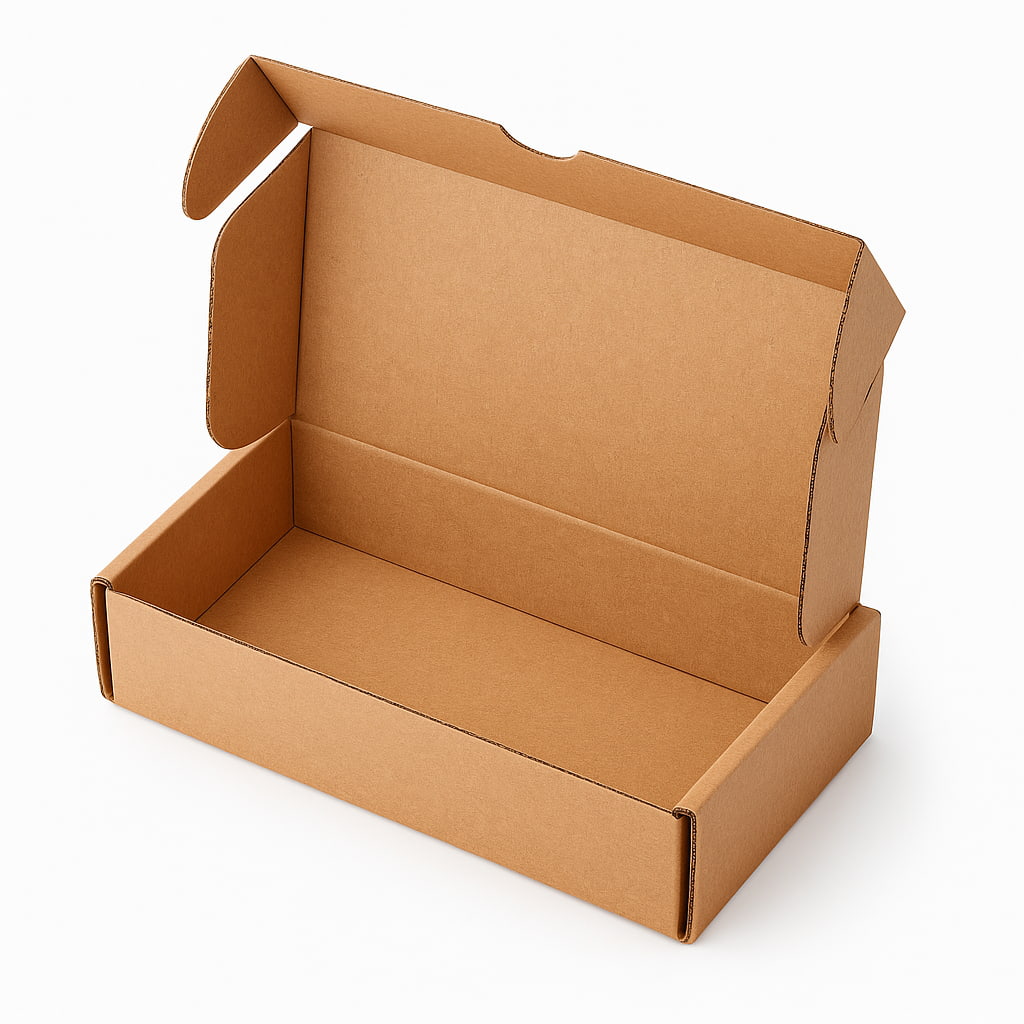
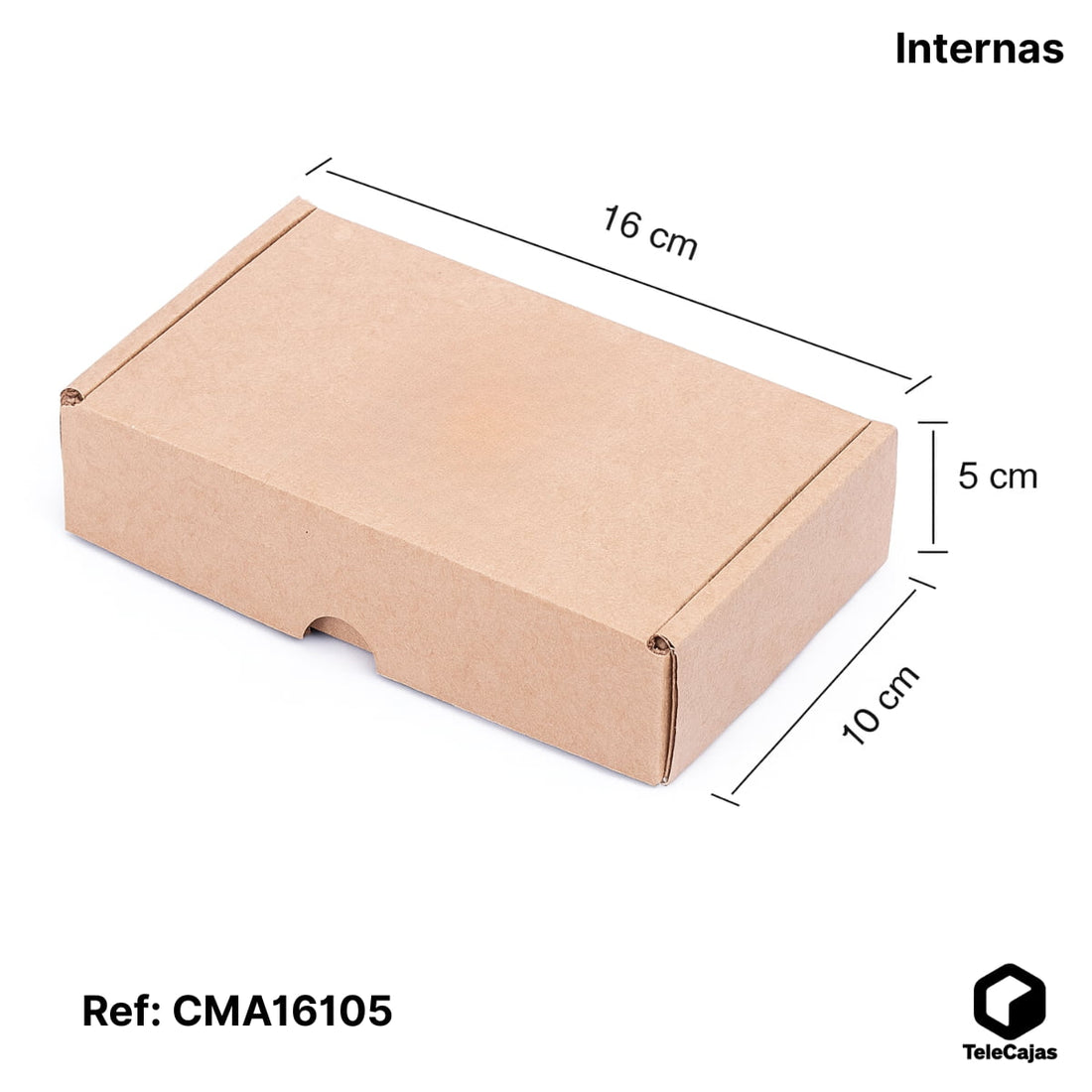
Envelope. If the product is flat and doesn't need a box, a kraft postal envelope avoids the plastic of a bubble mailer for many shipments of documents, thin textiles, or spare parts.
Void fill and closure. This is where the most visible plastic is (and the hardest to recycle with cardboard). The next two sections cover this.
You don't need to change your entire warehouse in a week. First, change the void fill and tape: it's inexpensive, makes a difference in the unboxing experience, and the whole box can go into the blue bin.
How to fill without bubble wrap

Bubble wrap still has its place (very fragile items, edges, electronics). For the space inside the box, it's almost never necessary.
Options that work in real shipping:
- Crumbled kraft paper. Cushions, doesn't add weight, and is recyclable with the box. A kraft paper roll can be used for wrapping and void filling.
- Shredded paper. Same criteria: visible, recyclable void fill, no Styrofoam.
- Shredded or corrugated cardboard. Well-placed cardboard cut-outs hold items better than a half-inflated air bag.

If the product does need bubble wrap, don't pretend that kraft can replace it for a vase or a screen. In those cases, use bubble wrap (preferably recycled) and read about eco-friendly alternatives to bubble wrap so you don't mix the two cases in the same order.
Practical rule: if you shake the closed box and hear movement, there isn't enough void fill. If the box arrives with 8 cm of air, the box is too big, not that there's not enough plastic.
Paper tape to recycle the whole box

Polypropylene tape forces recyclers to remove plastic from cardboard packaging. The eco-friendly kraft adhesive tape goes into the blue bin with the box, can be cut by hand, and can be written on.
It's not water-activated gummed tape (that also exists and works well on packing lines). This is self-adhesive, 50 m × 48 mm, manufactured in Spain. For e-commerce box sealing and for those who want the unboxing experience not to leave plastic strips behind.
A "sustainable" shipment with plastic tape still causes problems at the recycling plant. Change the tape the same day you change the void fill.
Box size and void space
The cheapest sustainable packaging is not to ship air.
A box two sizes too big increases transport costs, breaks more easily (the product moves around freely), and contradicts any eco-friendly discourse. The opposite also exists: a perfectly sized box with no void fill, resulting in breakage. The middle ground is found in how to avoid claims due to insufficient packaging: a box that fits, void fill that immobilizes, and a closure that holds.
How to measure it without a lab:
- The product (with its protection) must genuinely fill the interior.
- Any remaining space should be filled, not "completed" with a larger box.
- If the void space exceeds half, change the size or use custom packaging. Don't disguise it with more film.
Over-packaging won't save you from a claim and moves you away from sustainable packaging. Under-packaging won't either.
FSC when required by B2B
If your client is a chain, a large marketplace, or a public contract, sometimes "it's recyclable cardboard" isn't enough. They ask for a chain of custody.
FSC certification in packaging covers that case. Don't copy it here: if they ask for it, that post is the reference. For the rest of e-commerce, well-sized recyclable cardboard without plastic in tape and void fill is already the leap that the buyer notices.
Checklist: e-commerce vs. individual shipping
E-commerce / warehouse
- List of actual measurements (not "the usual box").
- Single or double wall based on fragility, not habit.
- Paper or shredded void fill by default; bubble wrap only for fragile SKUs.
- Paper tape on all cardboard outbound lines.
- Short message on the packing slip or website: the entire box is recyclable. No decorative green.
Individual / Wallapop, Vinted, a one-off shipment
- A box that fits the product (postal if small).
- Kraft paper or whatever cardboard void fill you have, not loose supermarket bags.
- Paper tape or, if not available, minimal plastic tape in a single strip.
- Photo of the sealed package before handing it to the carrier. Saves you arguments.
Frequently asked questions
Does sustainable packaging prohibit bubble wrap?
No. It reserves it for when paper doesn't protect as well. The mistake is using it as void fill "just in case."
Do I need custom boxes to be sustainable?
No. You need the correct size from the catalog. Custom boxes come in handy when you always ship the same product and standard sizes leave a lot of void space.
Is it more expensive?
Recyclable cardboard and paper tape don't drastically increase the unit cost. What is expensive is a large box, excessive void fill, and breakage. Start with the right size and by removing plastic that holds nothing.
Want to set up your packing with what's already in the store? Start with cardboard boxes, kraft tape, and kraft paper. Order from 1 unit, 24/48 h delivery.