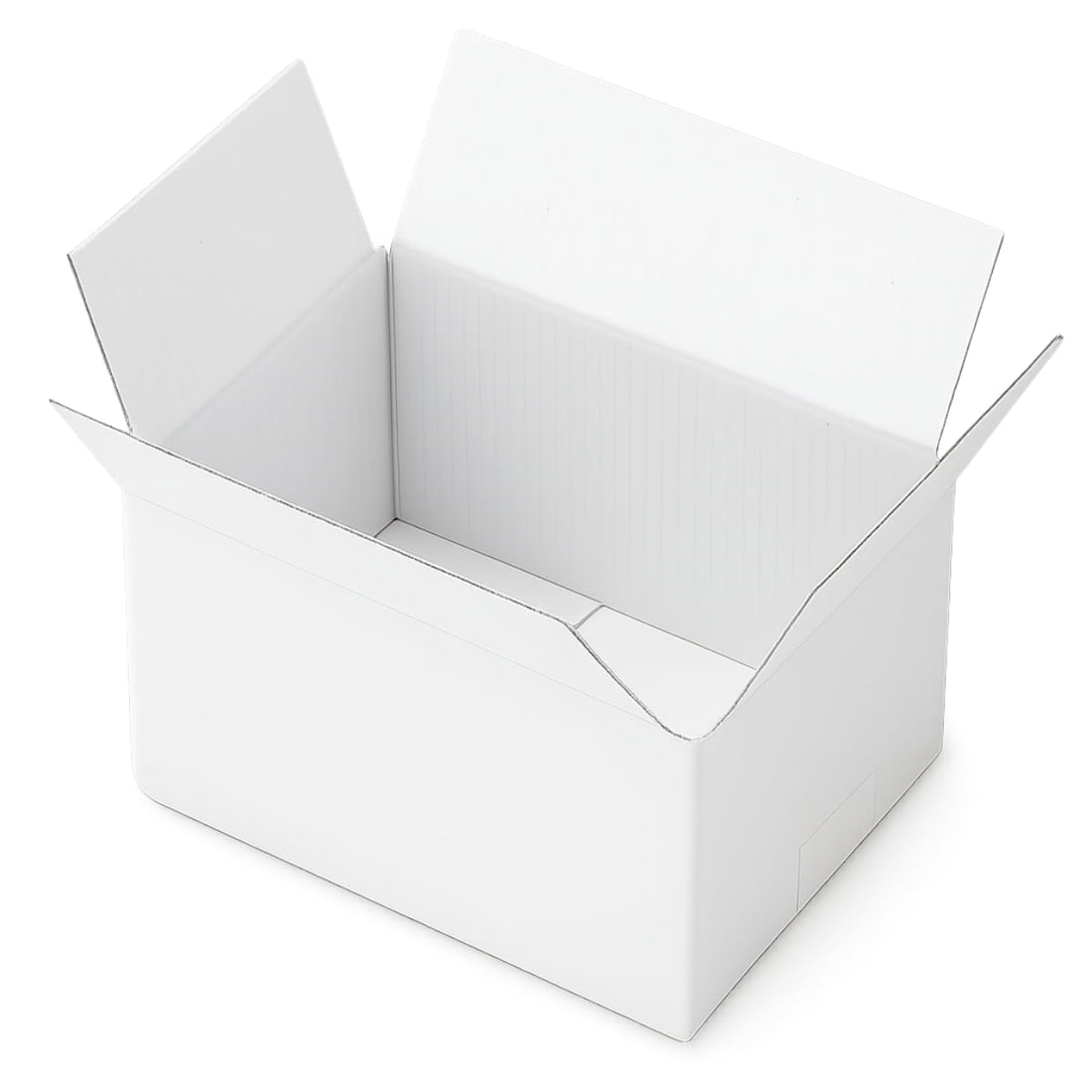
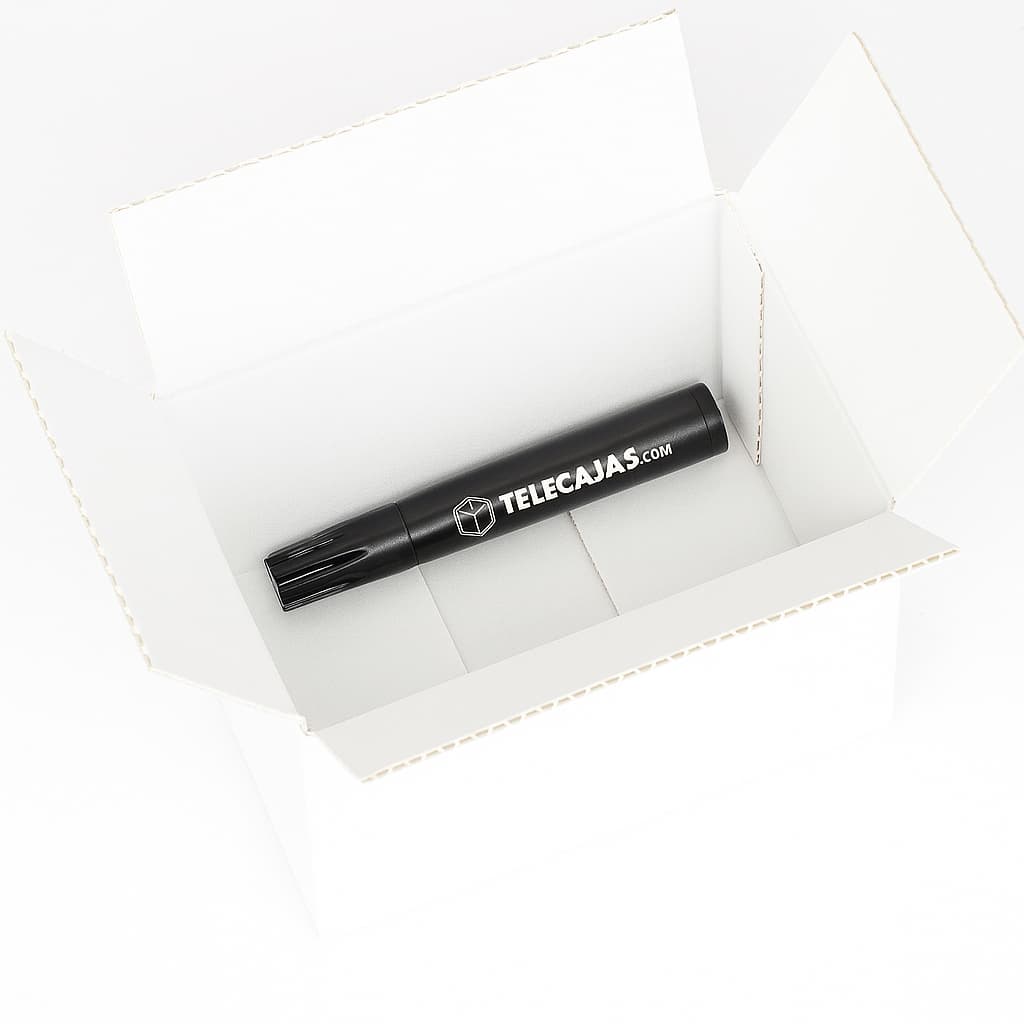
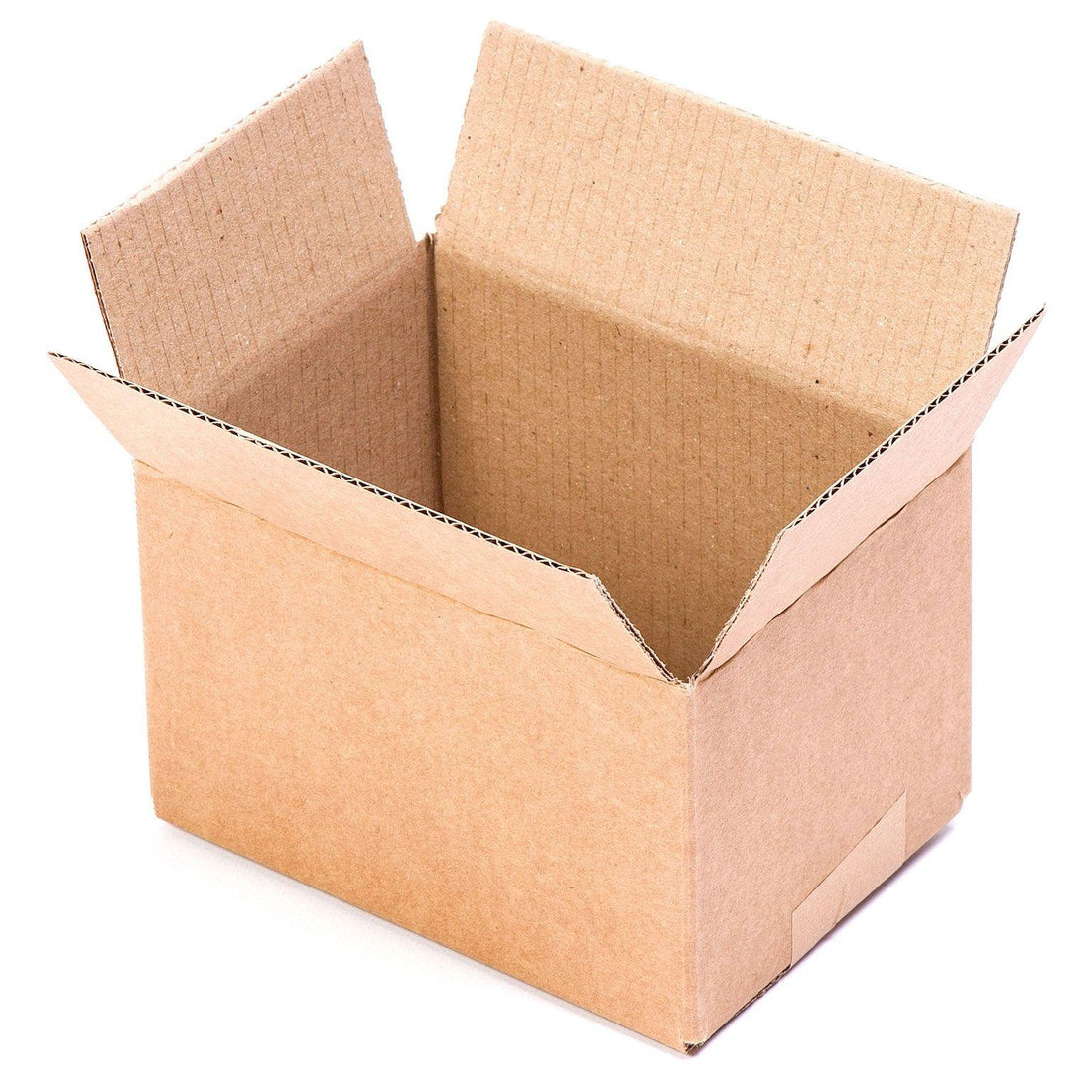
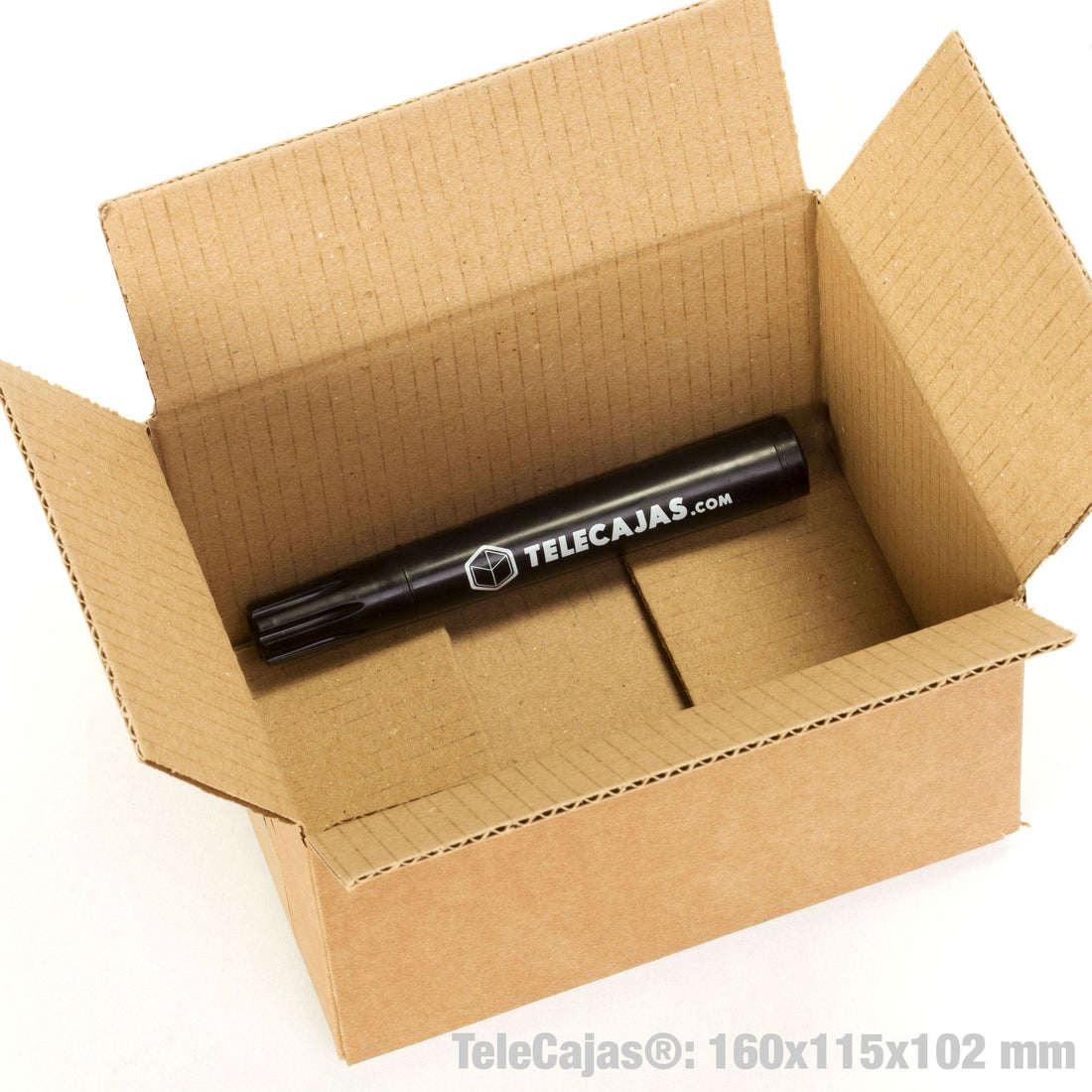
The right e-commerce cardboard box is the smallest one that fits the product already protected, closes flat, and doesn't travel with excess air. The format (self-assembling postal or flap box) and size are decided based on that measurement, not the other way around.
If you already have length, width, and height, go to the search by measurements or the shipping boxes catalog. If the problem is a specific item (shoes, book, laptop), use what box size do I need to ship items: we won't repeat those tables here.
This guide covers the shipping decision: format, postal size, and the mistake of shipping air. The postal box selector (AEO-015) is located at this same URL.
What e-commerce cardboard box is right for you?
You need the most precisely fitting size that leaves room for protection, not the cheapest one on the list or the largest one "just in case." When shipping, air is paid for twice: as void fill and as volumetric weight.
Three questions, in this order:
- What are the dimensions of the product after it's wrapped?
- Will the order be shipped via postal service, or does it require a flap box with more specific dimensions?
- Might the customer need to return it? If so, the closure must be able to open and re-close without damaging the cardboard.
With these three answers, you choose the format and size. The rest is noise.
How to measure the already protected product
Measure the product as it will travel, not bare. The usable dimension of the box must be greater than or equal in all three dimensions.
- Place the item as it will be shipped: folded, with accessories together, no loose parts.
- Wrap corners, screen, or anything that might be impacted. Remeasure length, width, and height at the widest point.
- Search the box finder by measurements for the box whose published dimensions cover those three figures without forcing the closure.
There is no universal "2 or 5 cm" margin. That depends on the actual void fill. If you shake the closed box and the contents move, there's not enough void fill or the box is too large.
Self-assembling postal box or regular slotted container?
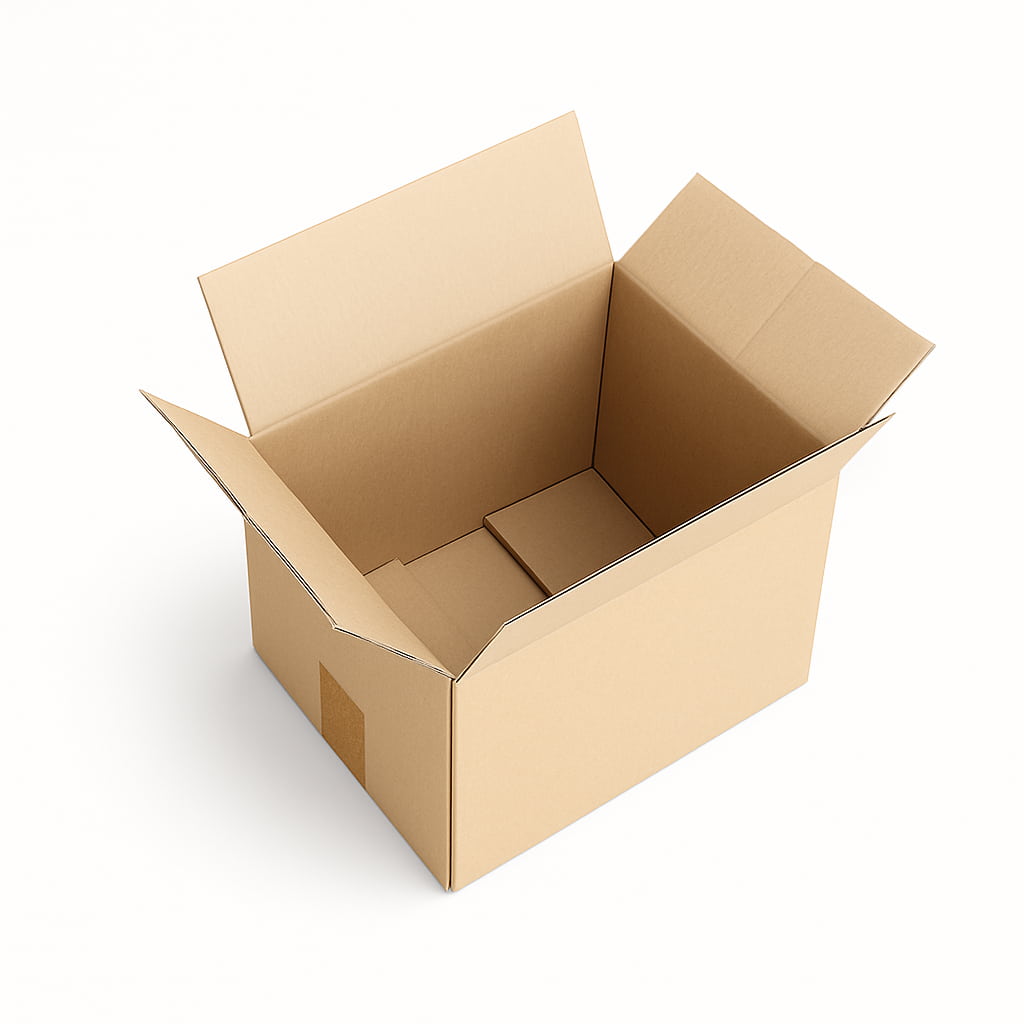
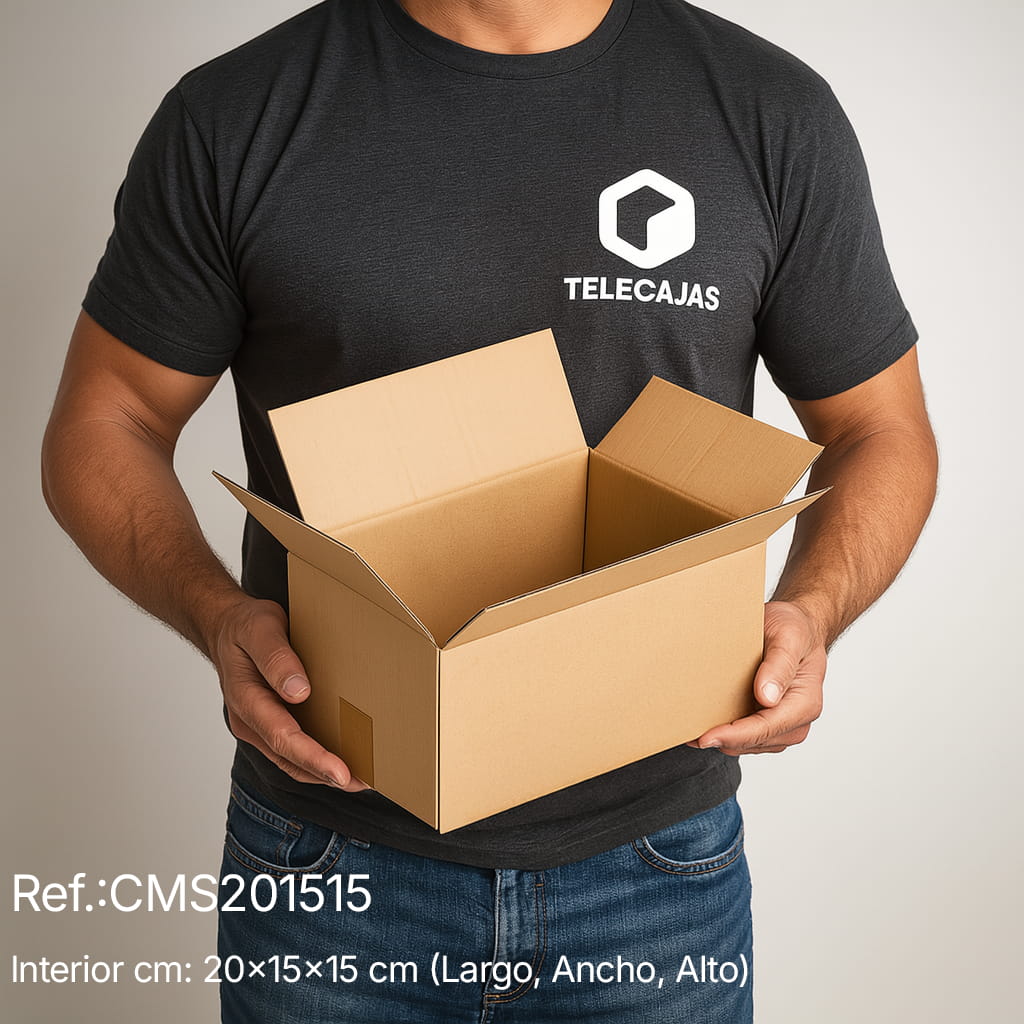
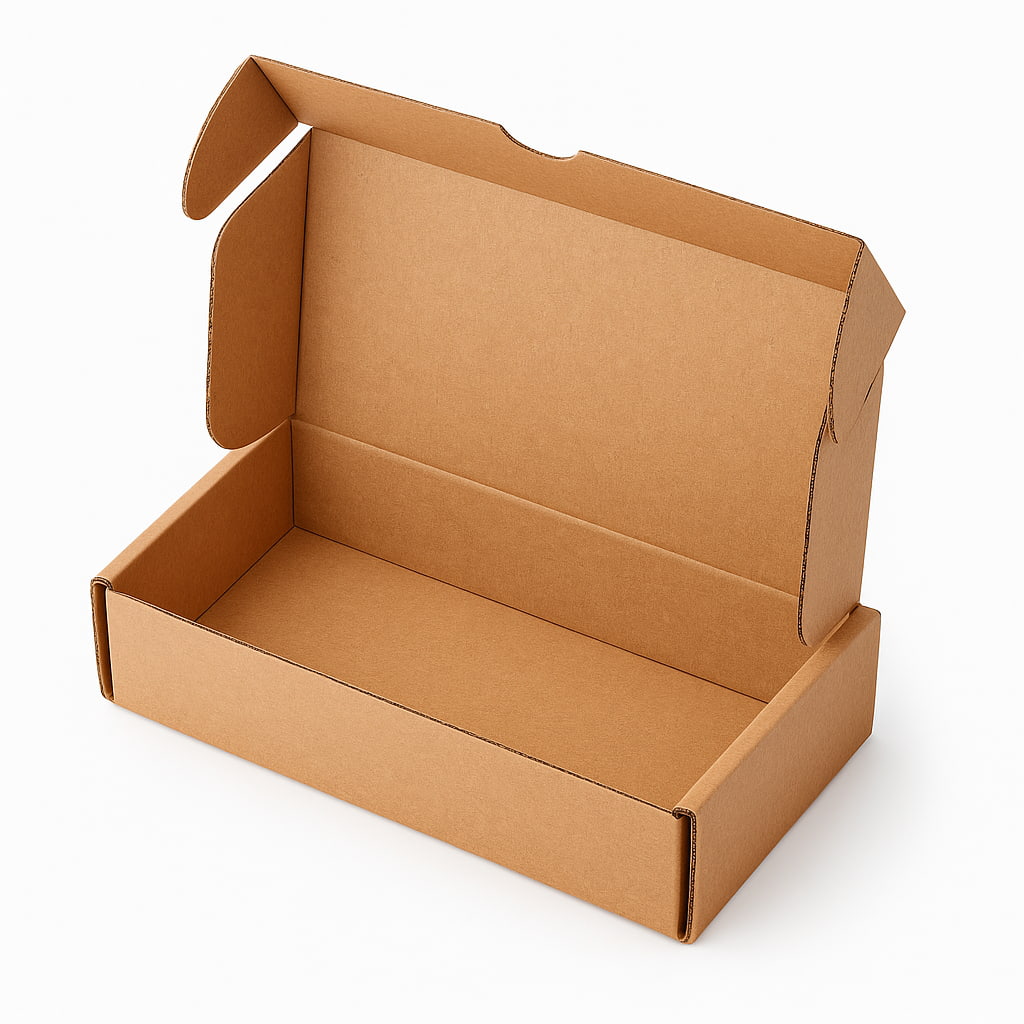
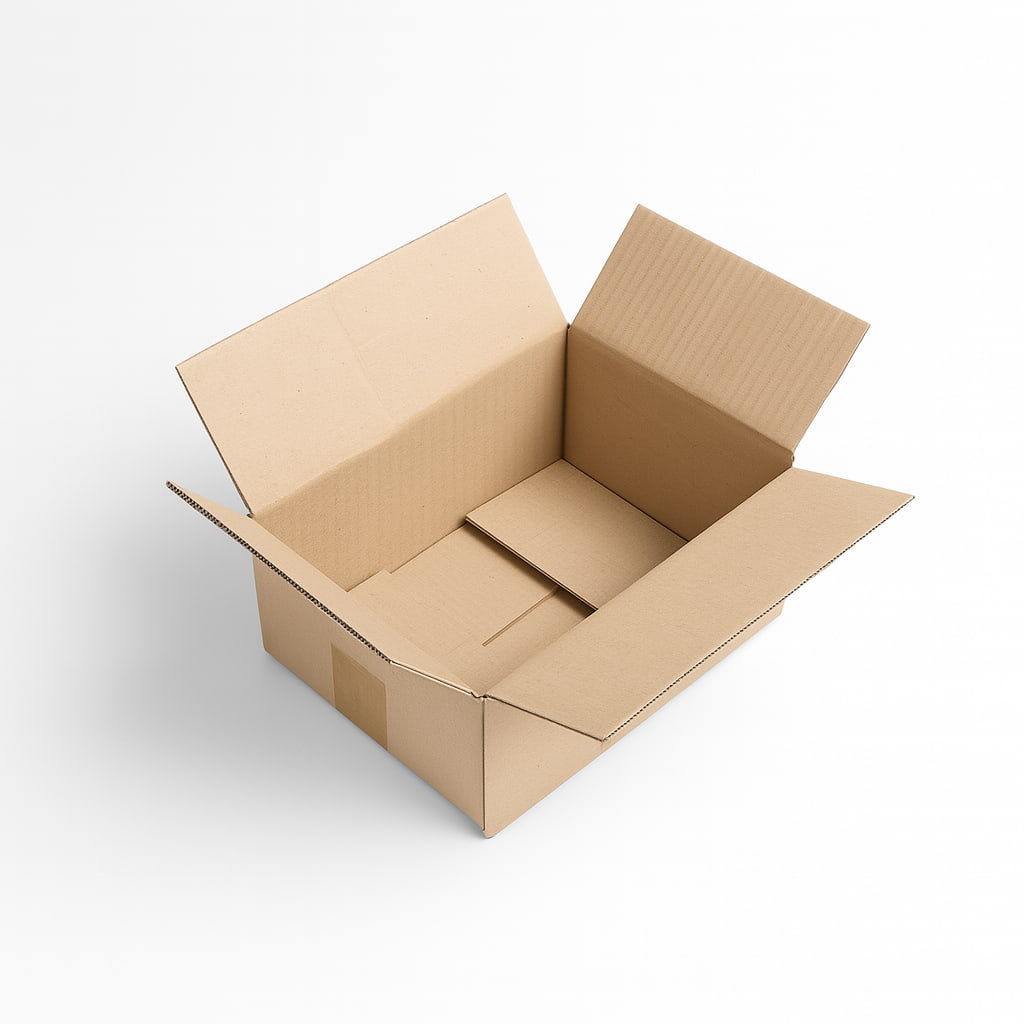
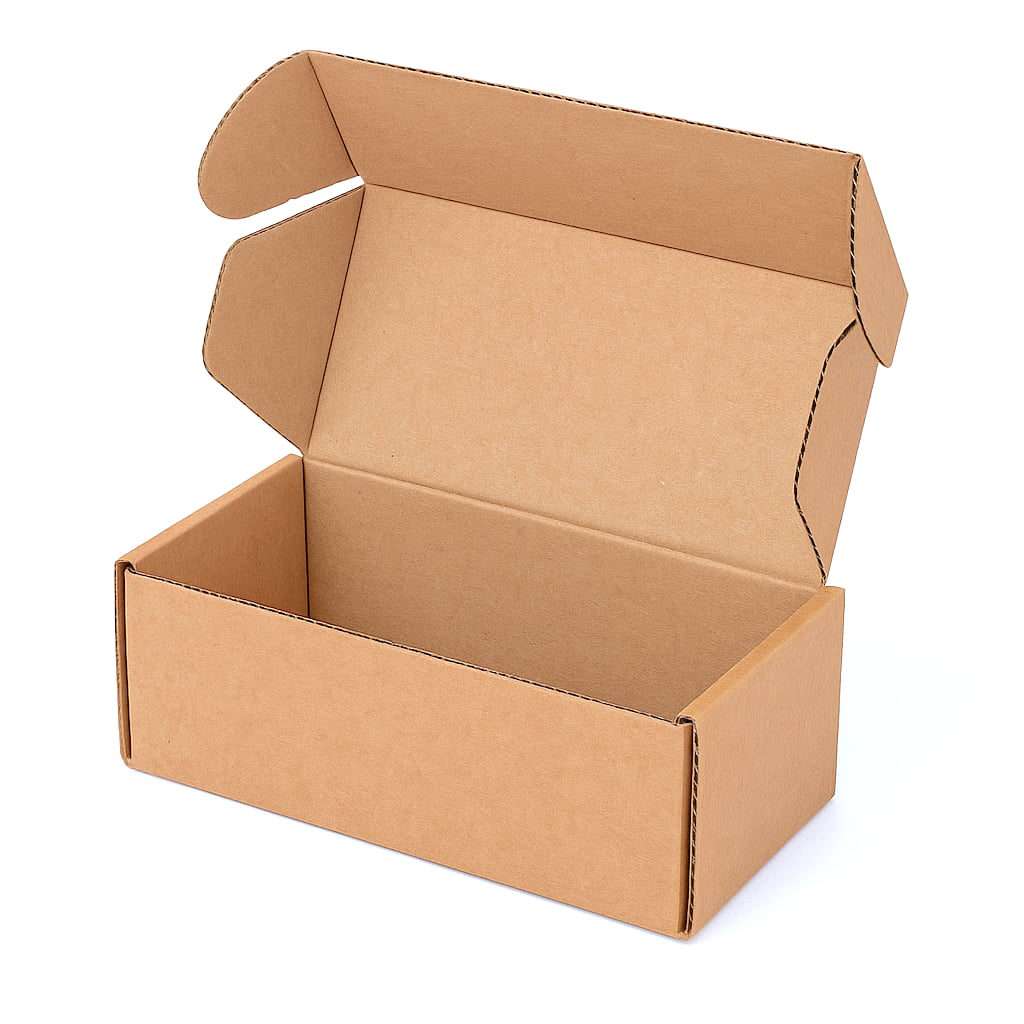
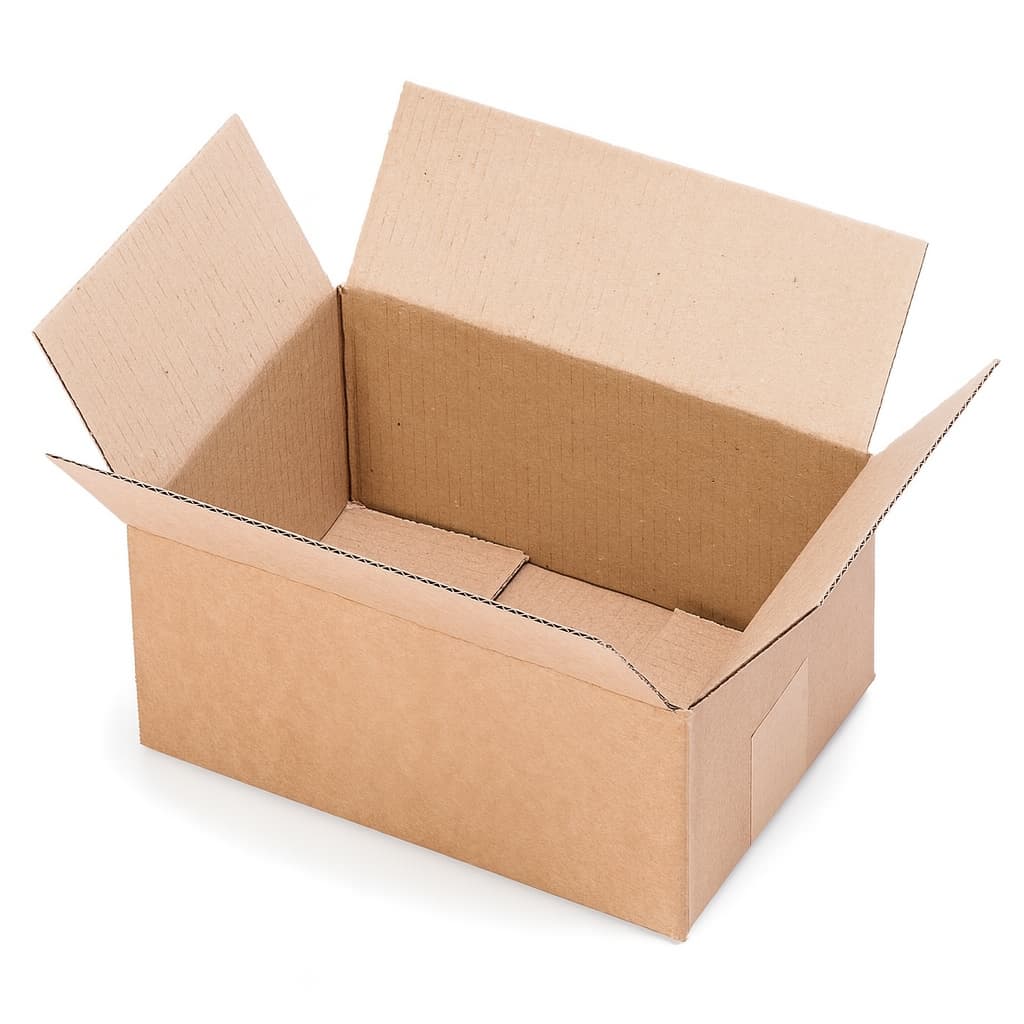
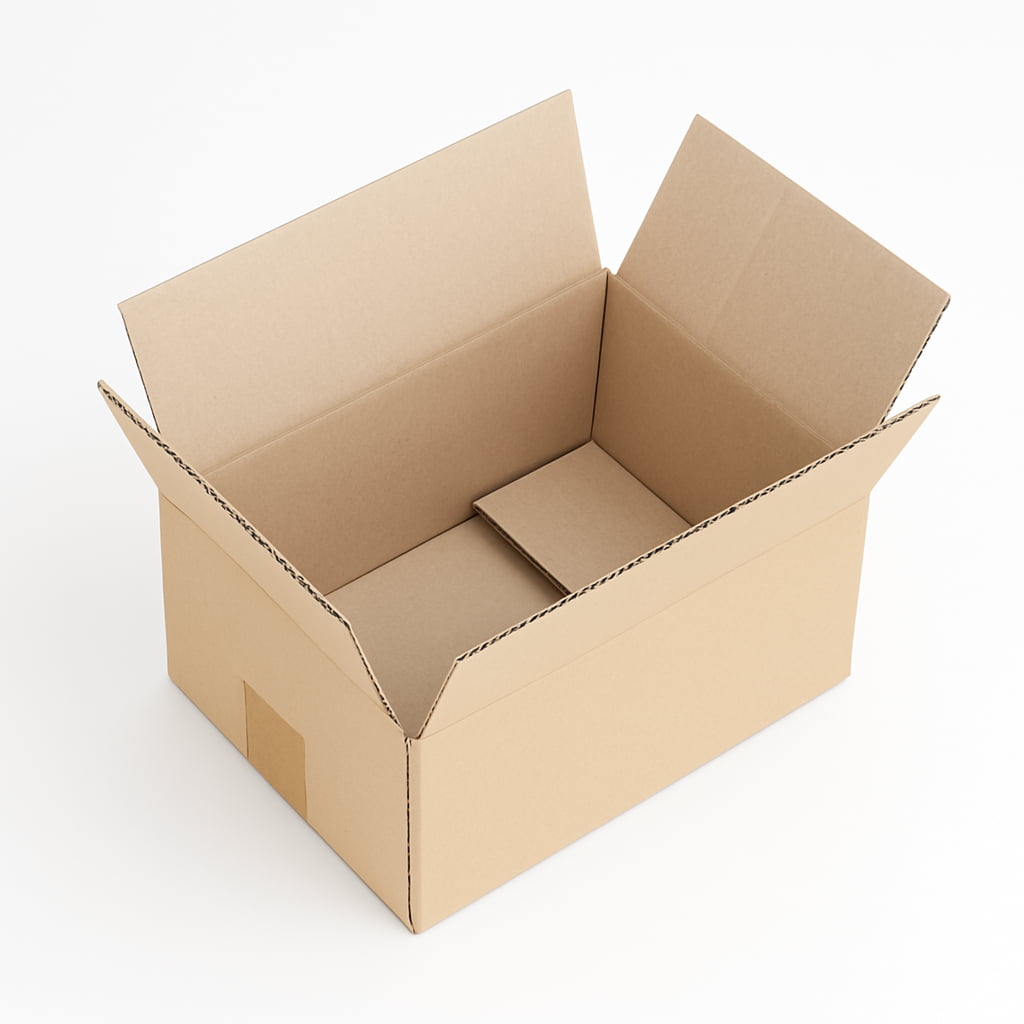
If a flap box suits your needs, the definition is in what is a regular slotted container. The shipping purchase catalog is shipping boxes; flap boxes cover that format. For shipping weight, double-wall regular slotted containers for shipping hold up better than single-wall postal boxes.
For an e-commerce with daily orders, two or three postal sizes cover most needs. If you ship a wide variety of items, combine a shallow postal box with flap boxes of various sizes.
Postal box selector for e-commerce
The correct postal box is one that fits the already protected product, leaves minimal empty space, and uses a closure that can withstand the journey and a possible return.
Measurements = published product title as of August 24, 2026. Some Shopify handles are outdated (we point them out). This is not the rate card for Correos, SEUR, or MRW: each publishes its own limits and volume divisors. Compare weight and centimeters with their current table before quoting shipping.
-
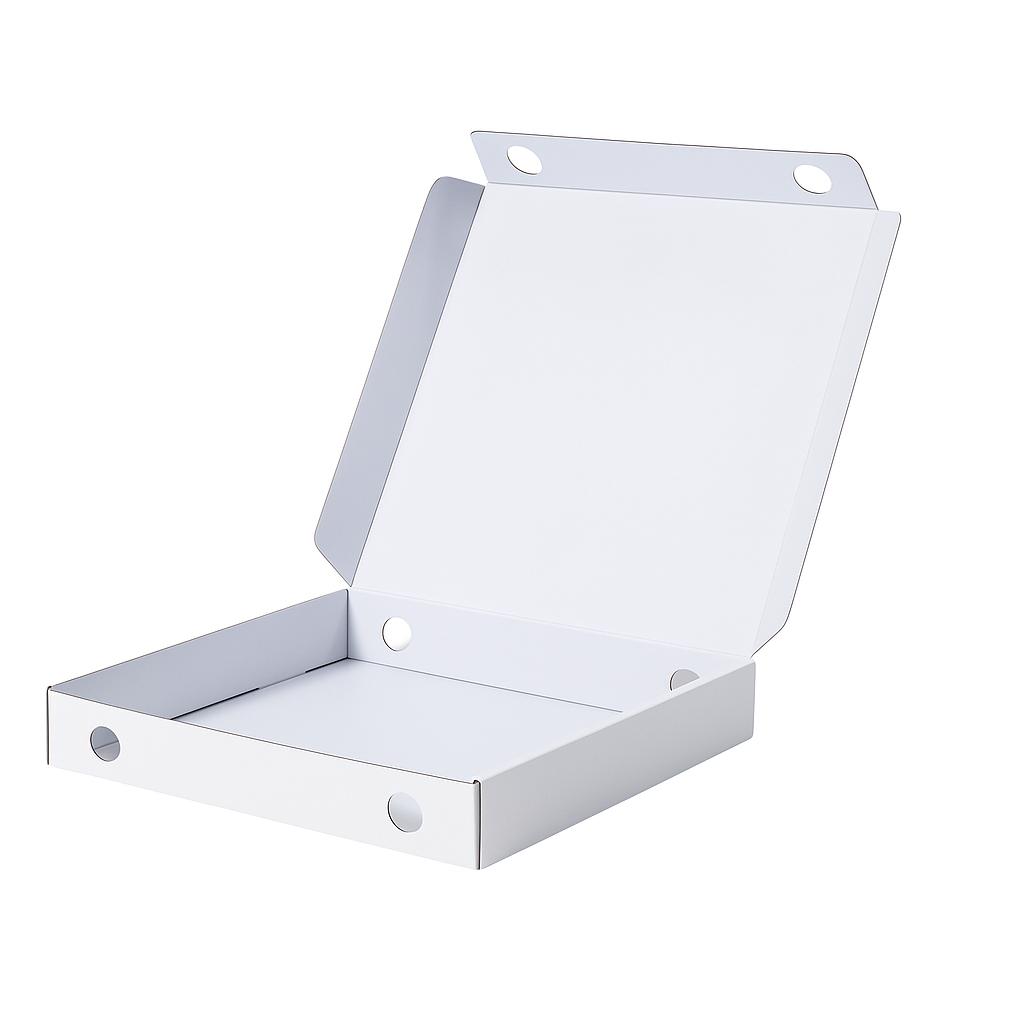
Shallow box (flats, folded clothes) · 43×35×7 cm · CMA43357
-
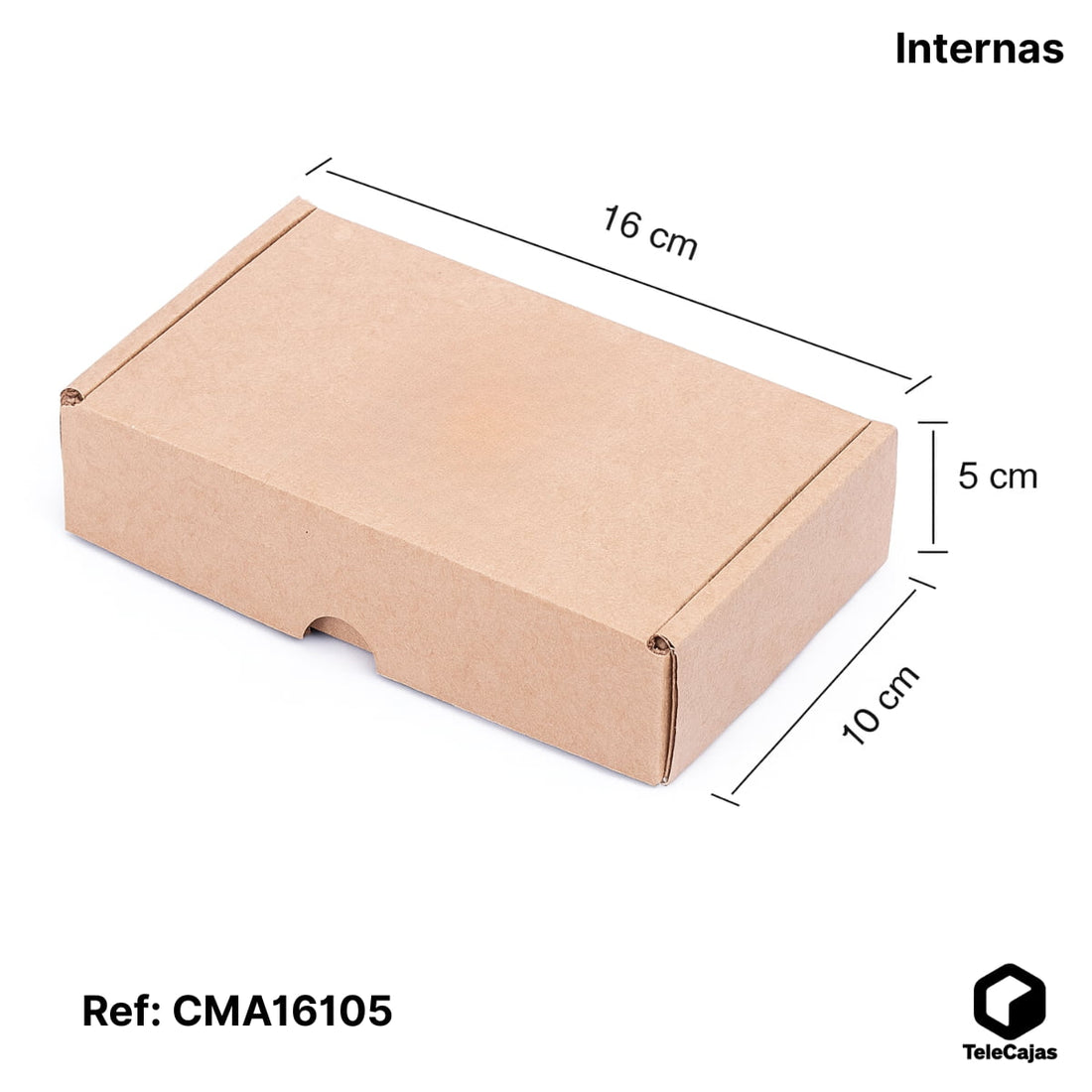
Compact · 16×10×5 cm · CMA16105
-
Compact with more height · 18×10×9.4 cm · CMA18109
-
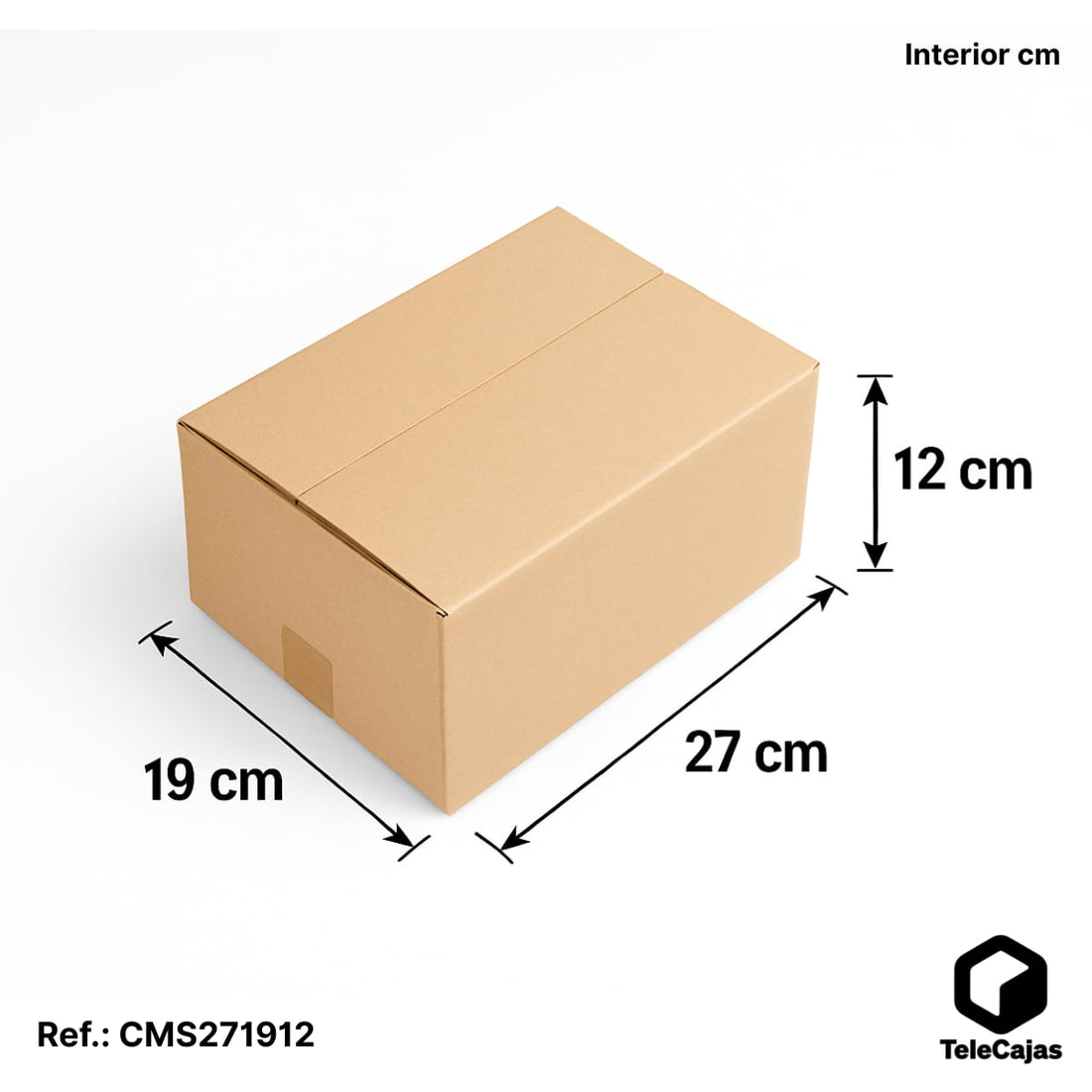
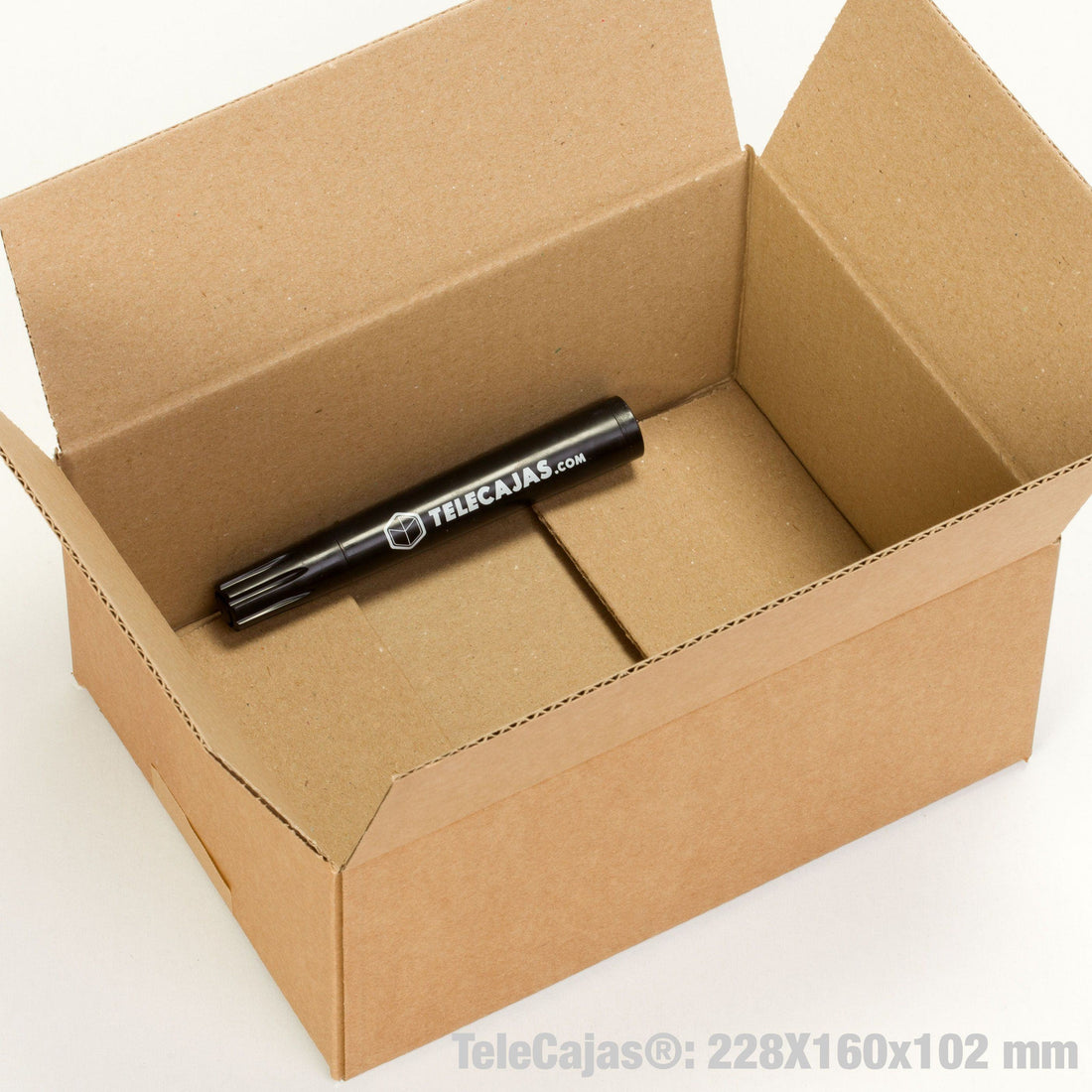
Medium · 28×20×12 cm · CMA282012
-
Medium shallow · 33×25×10 cm · CMA332510
Box 33×25×10 (handle says 35×25×10)
-
Medium volume (e.g., footwear) · 32.5×21×12.5 cm · CMA322112
Box 32.5×21×12.5 (handle says 34.5)
-
Large · 42×30×14 cm · CMA423014
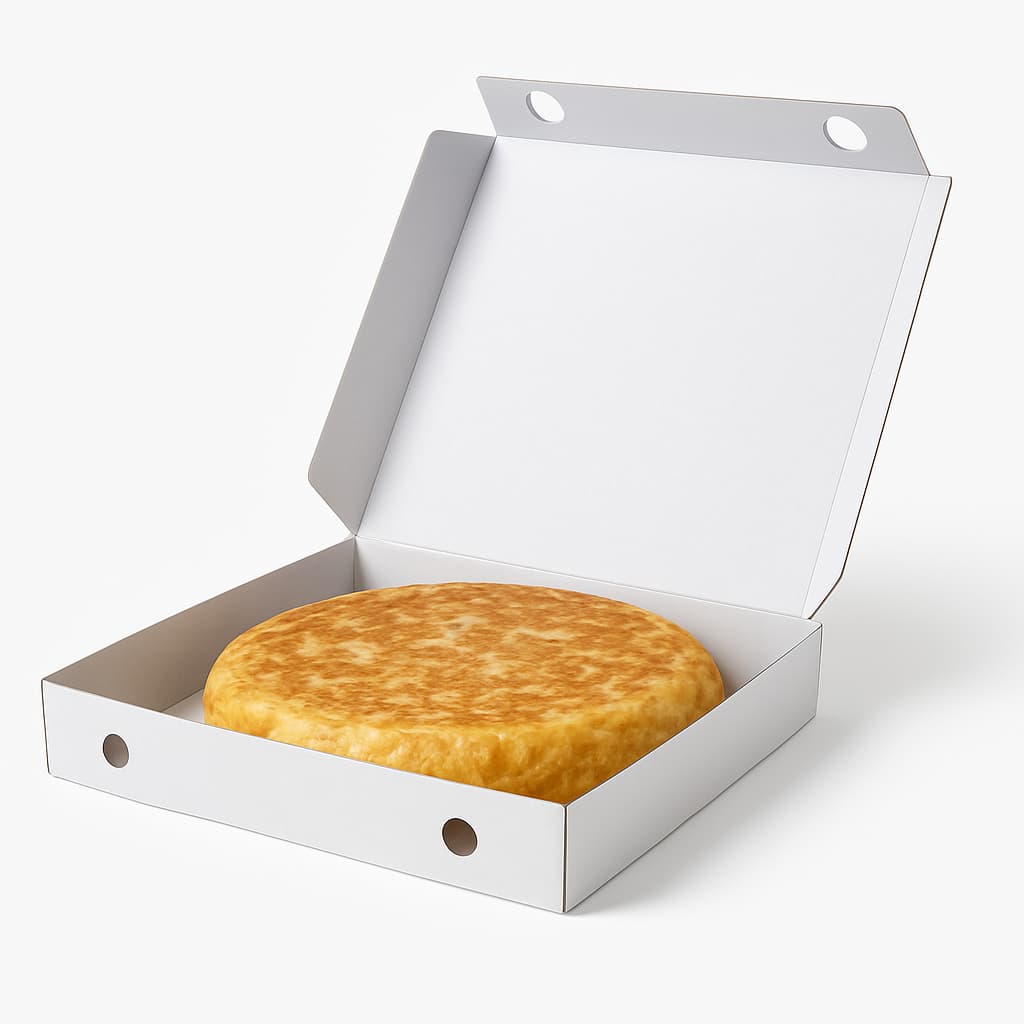
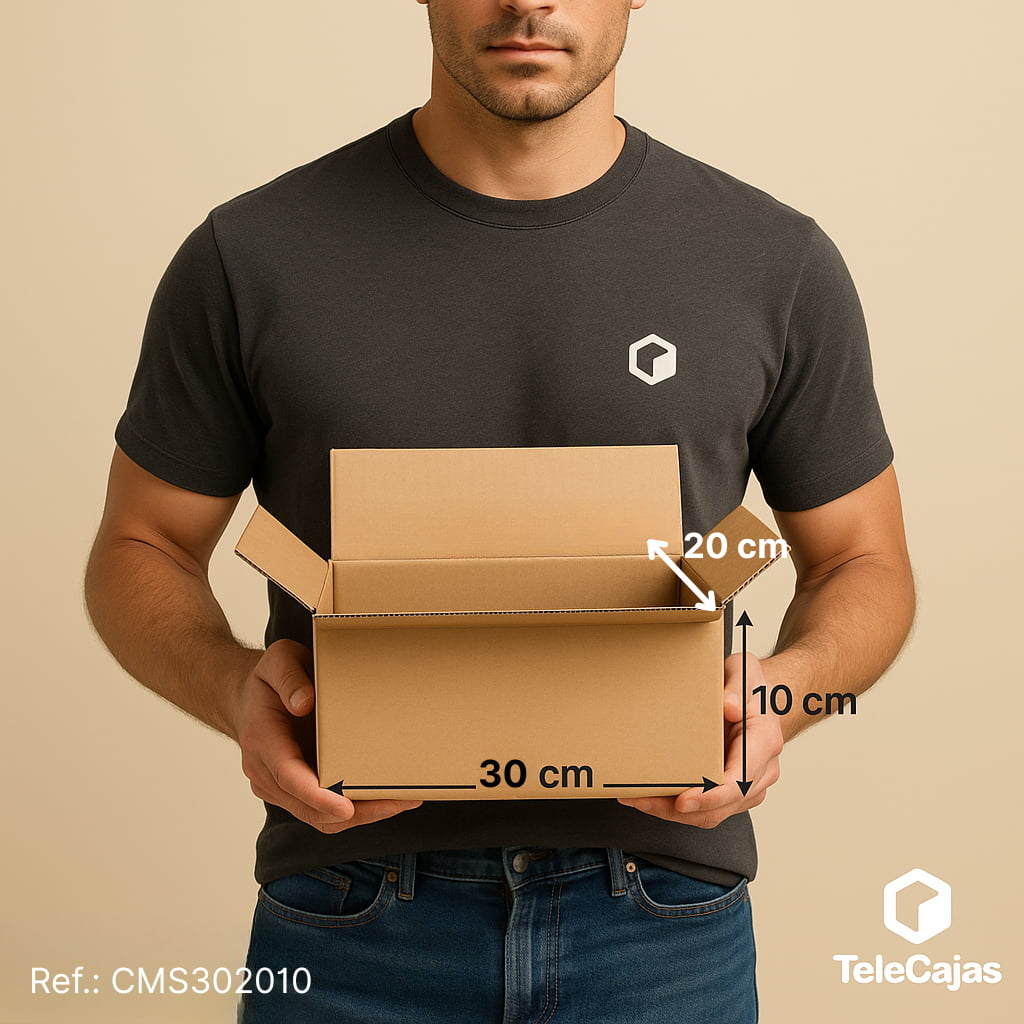
If none fit, check the shallow flap box 305×228×102 mm or the rest of the shipping boxes. Interior verified in master data sheet: only CMA43357 (43×35×7 cm). For the rest, use the dimensions in the data sheet, and if shipping at the limit, confirm the usable interior space.
Why a large box is more expensive to ship
Agencies don't just charge for the scale weight: they charge the greater of actual weight and volumetric weight (volume in cm divided by a factor that each publishes, often 5,000 or 6,000). An oversized box converts air into tariff kilograms.
Order of magnitude, not your rate: a 100g cover in a 40×30×20 cm box, with a 5,000 divisor, is 4.8 volumetric kg. In a box adjusted to the protected product, that figure drops. The calculation is in how to calculate cardboard box volume and in the volumetric weight calculator. Box + void fill + time: how much it costs to pack each order.
Three mistakes that increase shipping costs
Using a single box size for your entire catalog makes you pay for volume on most orders. Choosing based on the penny cost of the box and ignoring volumetric weight ends up being more expensive. Measuring the bare product and then removing protection to make it fit is a shortcut that leads to incidents.
- The box closes flat, without bulging.
- When shaken, no movement is heard.
- The label is on a smooth side.
Incident prevention journey: how to avoid claims due to insufficient packaging.
Frequently Asked Questions
What e-commerce cardboard box should I choose?
The smallest one that fits the product already protected, closes flat, and doesn't leave the item loose. Start with the measurement, then the format (postal or flap), and then the SKU from the selector.
Self-assembling postal box or regular slotted container?
Self-assembling if you assemble many identical orders and the range of postal sizes is sufficient; regular slotted container (flaps + tape) if you need more measurements or a tape closure. The definition is in what is a regular slotted container.
How do I choose the size for postal shipping (Correos, SEUR, MRW)?
Measure the protected product and choose the box from the selector whose published dimensions cover it. Correos, SEUR, and MRW have their own limits and volume divisors: this list is not their rate. Compare weight and cm in the carrier's current table.
Why does a larger box increase shipping costs?
Because the carrier may charge for volumetric weight. Air counts. Adjusting the size usually saves more than cutting a penny off the cardboard.
How many box sizes should an e-commerce have?
Two or three that cover 80–90% of orders. A compact, a shallow (at TeleCajas, the 43×35×7 postal), and a medium box are usually enough; the rest, tailored to the actual catalog, not a generic XS–XXL table.
What is the 43×35×7 cm postal box used for?
It's TeleCajas' shallow postal box (SKU CMA43357, interior 43×35×7 cm): for flat or low-height orders that should not travel in a cubic box full of void fill. Data sheet: postal box 43×35×7.
Ordering boxes for shipping
The e-commerce cardboard boxes in this guide are found under shipping boxes. If the order is flat, start with the 43×35×7 postal box. If the order is cubic, the 40×30×30 box. If you sell on Wallapop or Vinted, there's a C2C shipping guide.
We are TeleCajas, in Seville. If you are debating between a local supplier versus Raja, what changes is stock, lead times, and whether they customize the size for you. Order the size that fits; you don't need a cardboard treatise to ship today.