If you have a business — whether it's an online store, a local shop, a restaurant with delivery, or a B2B warehouse — packaging is one of those invisible costs that directly affects your customer's experience and your bottom line.
Choosing the right packaging isn't just about protecting the product. It's about avoiding returns, reducing shipping costs (volumetric weight kills margins), complying with regulations, and, in many sectors, conveying brand image. This guide helps you choose exactly what you need without overpaying.

Packaging for e-commerce: speed, protection, and image
If you sell online, packaging is your customer's first physical contact with your brand. And the last if you do it wrong. A package that arrives broken, with a huge box and the product loose inside, destroys the perception of the business — no matter how good your product is.
What an e-commerce business needs
| Material | Purpose | Recommendation |
|---|---|---|
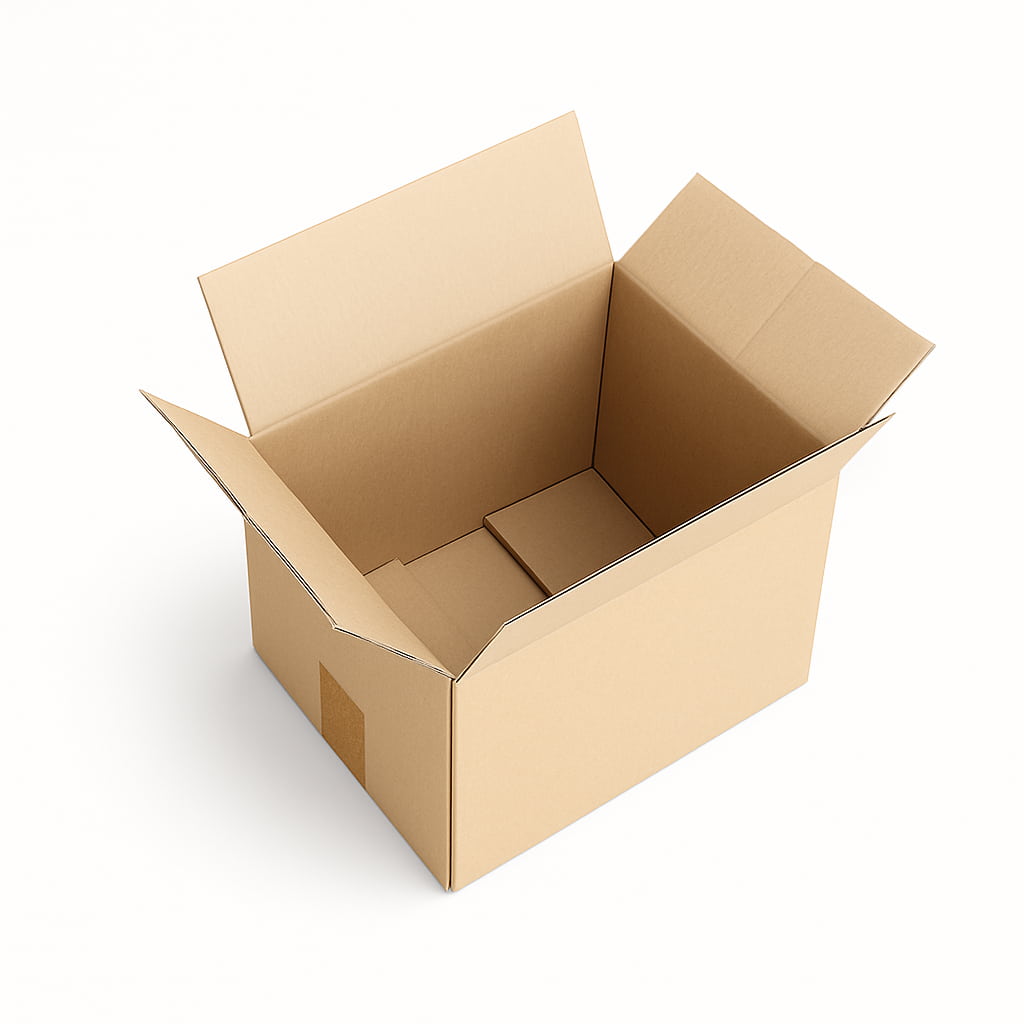
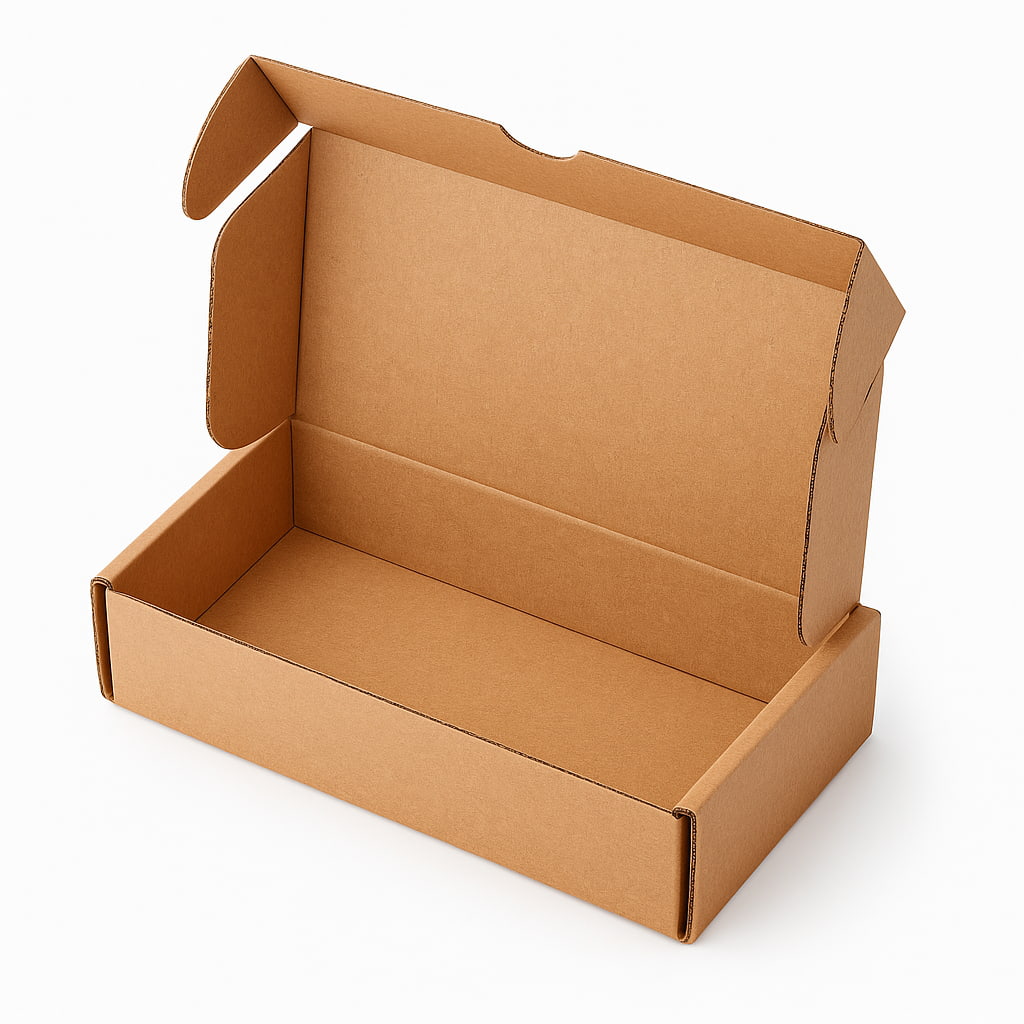
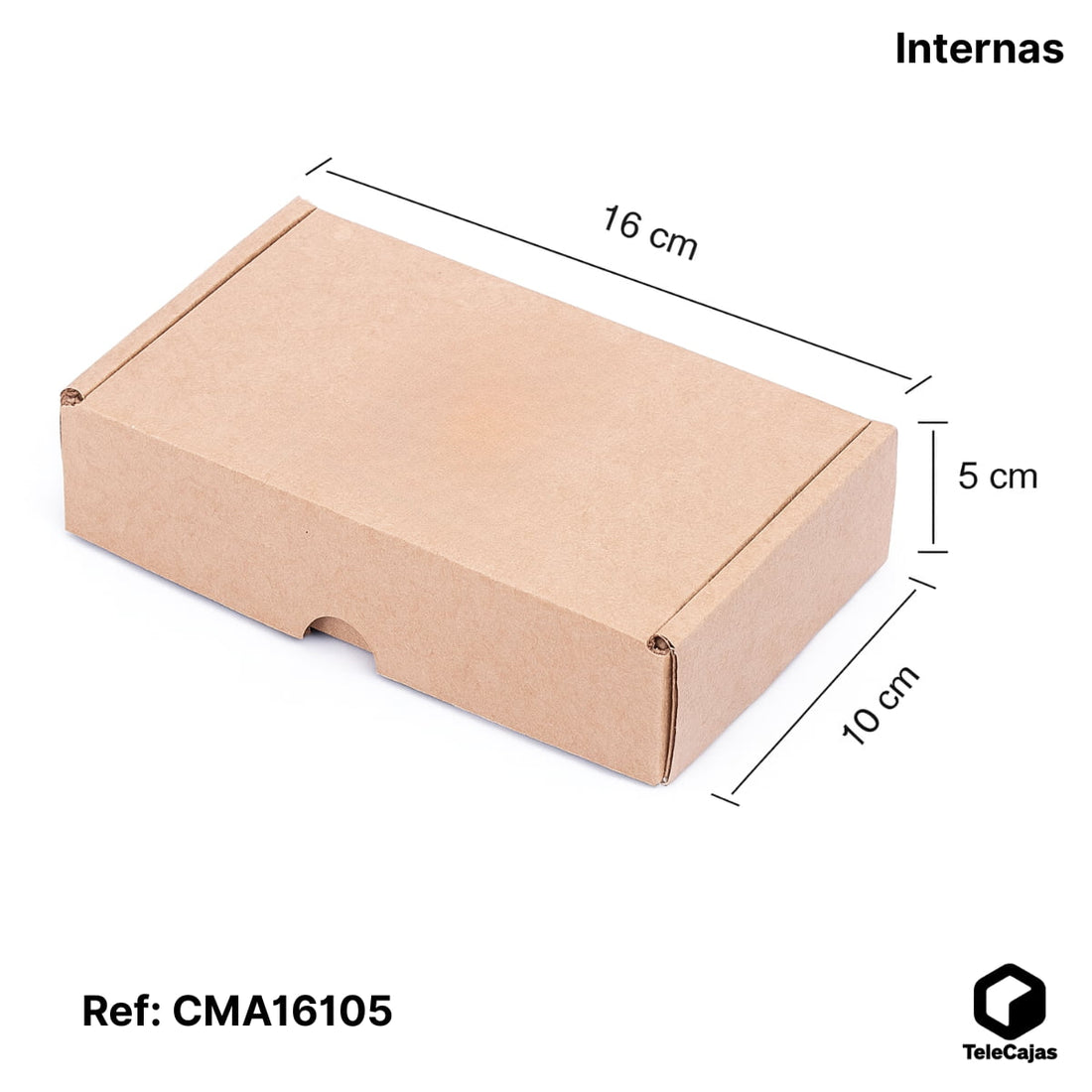
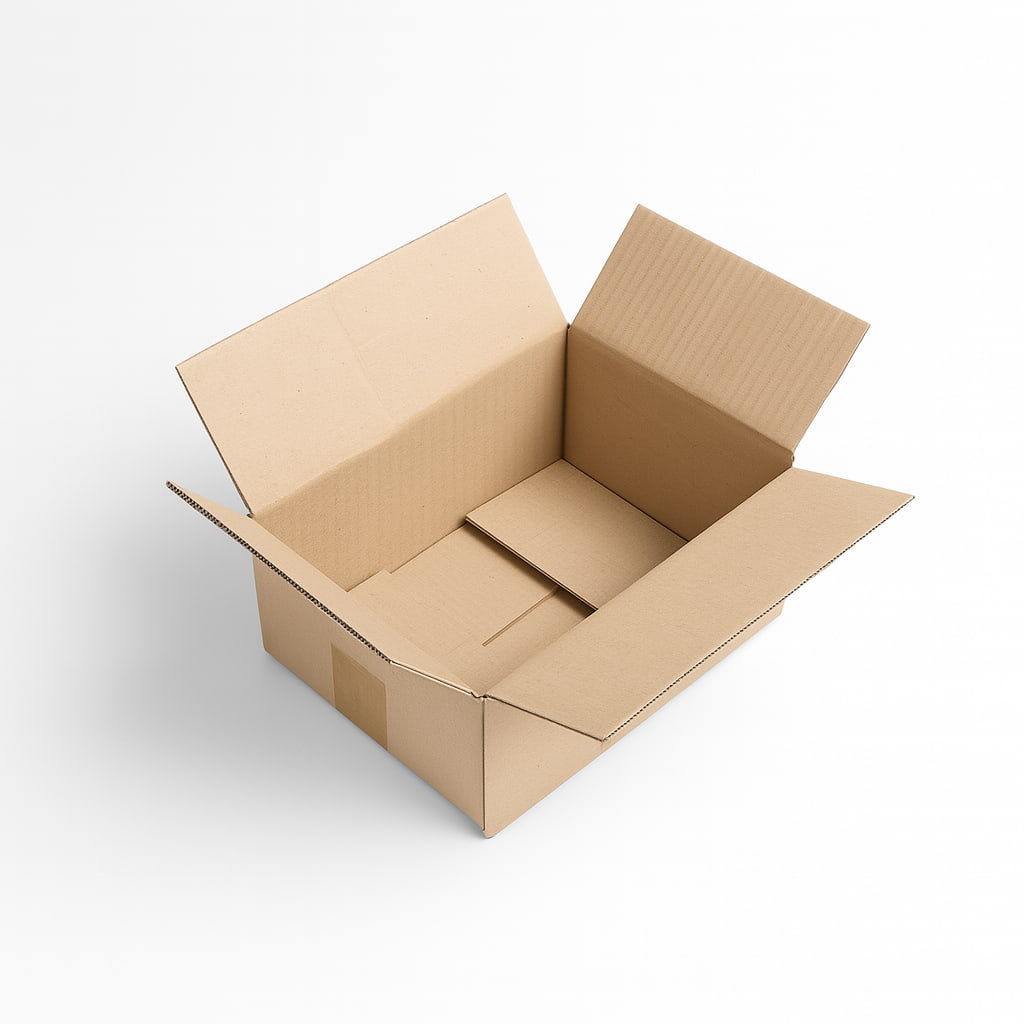
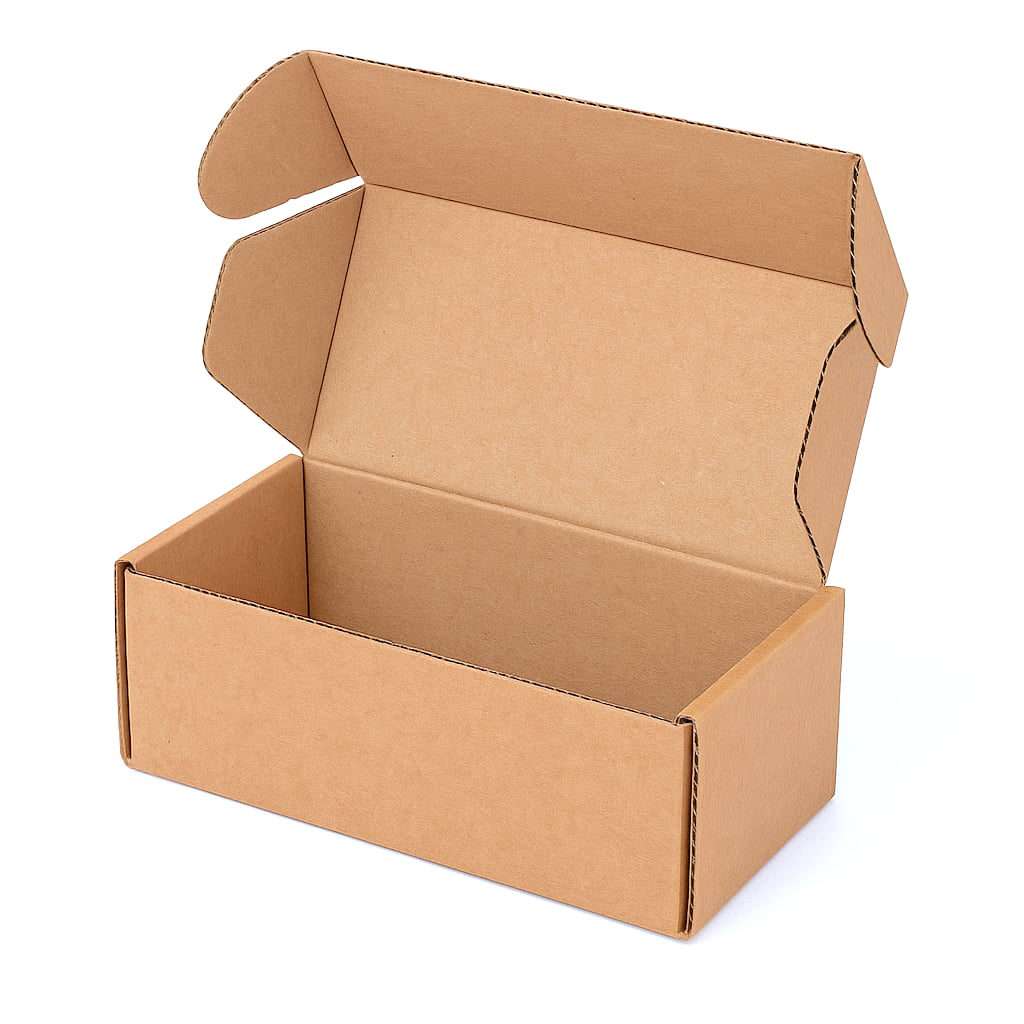
| Self-assembling boxes | Daily shipments — assemble in 3 sec. without tape | Have 2-3 sizes that cover 90% of your orders |
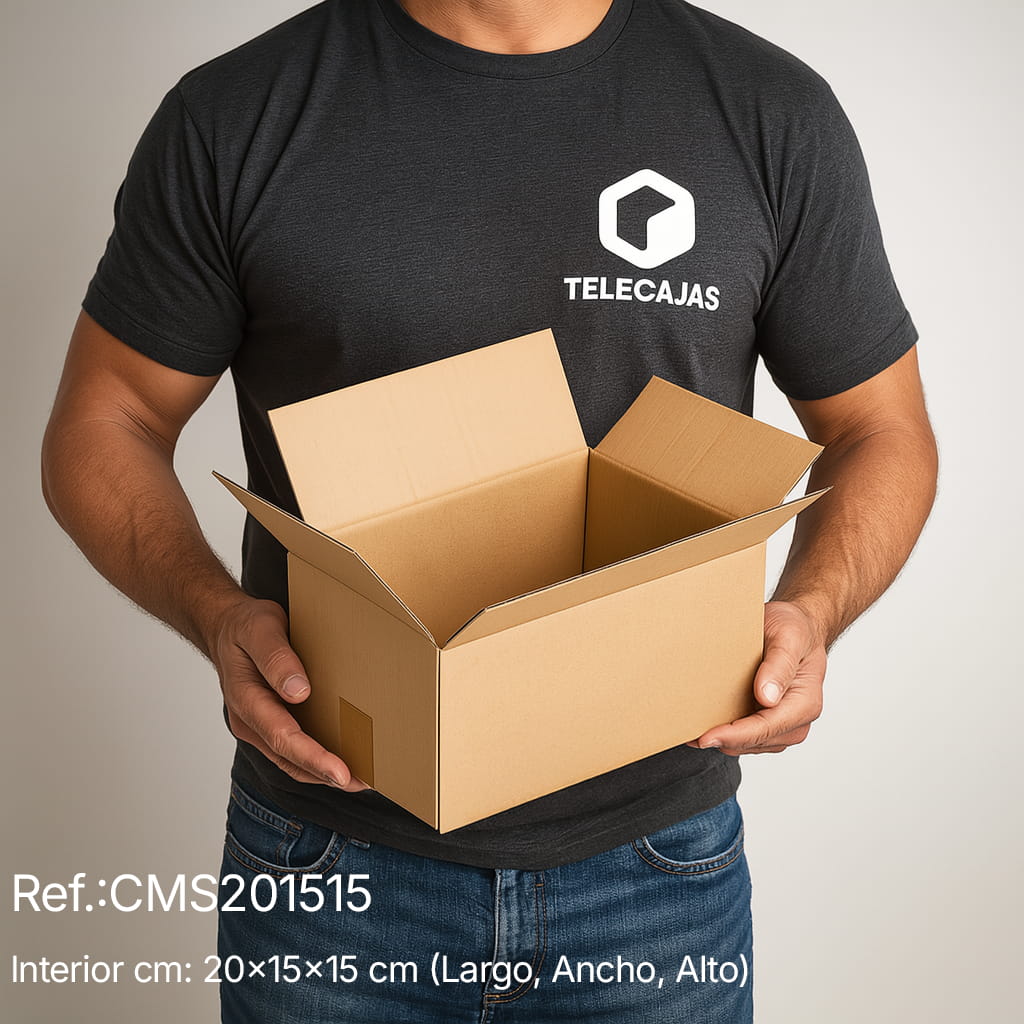
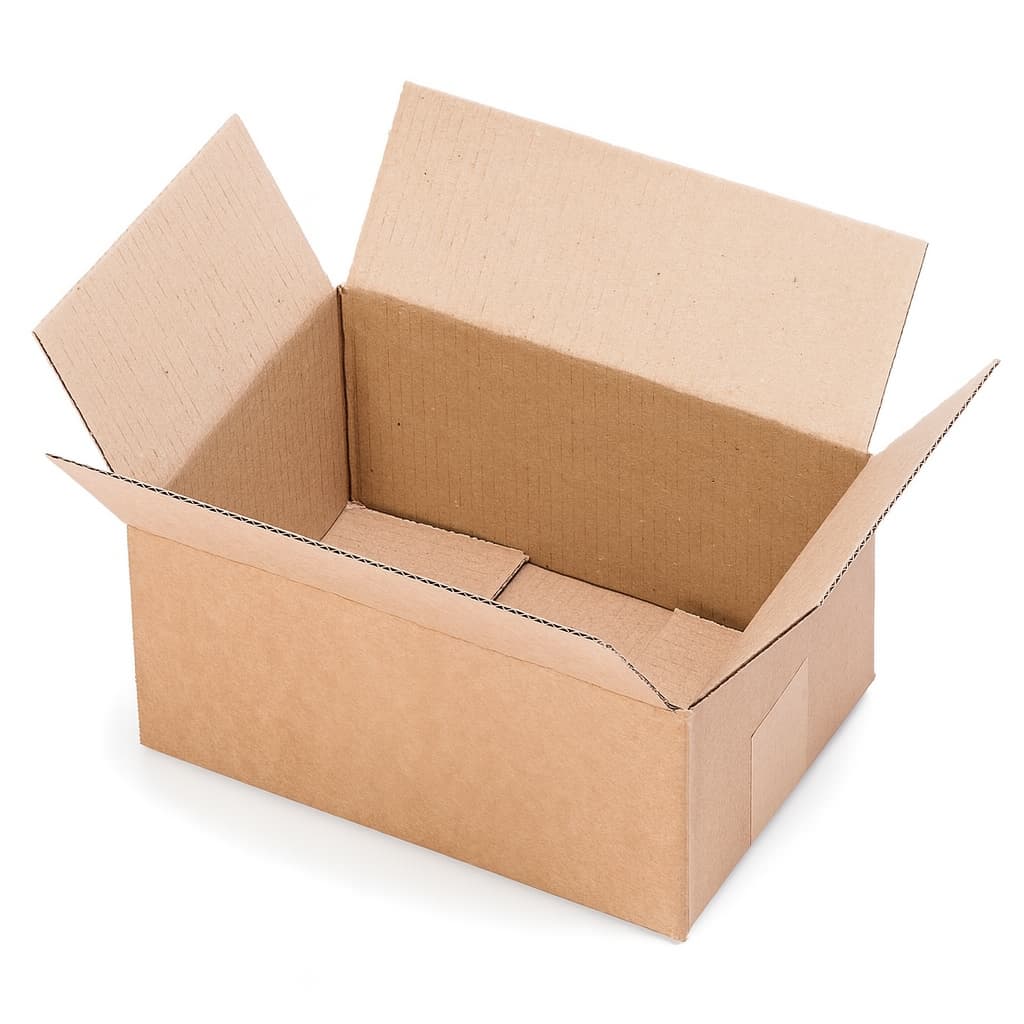
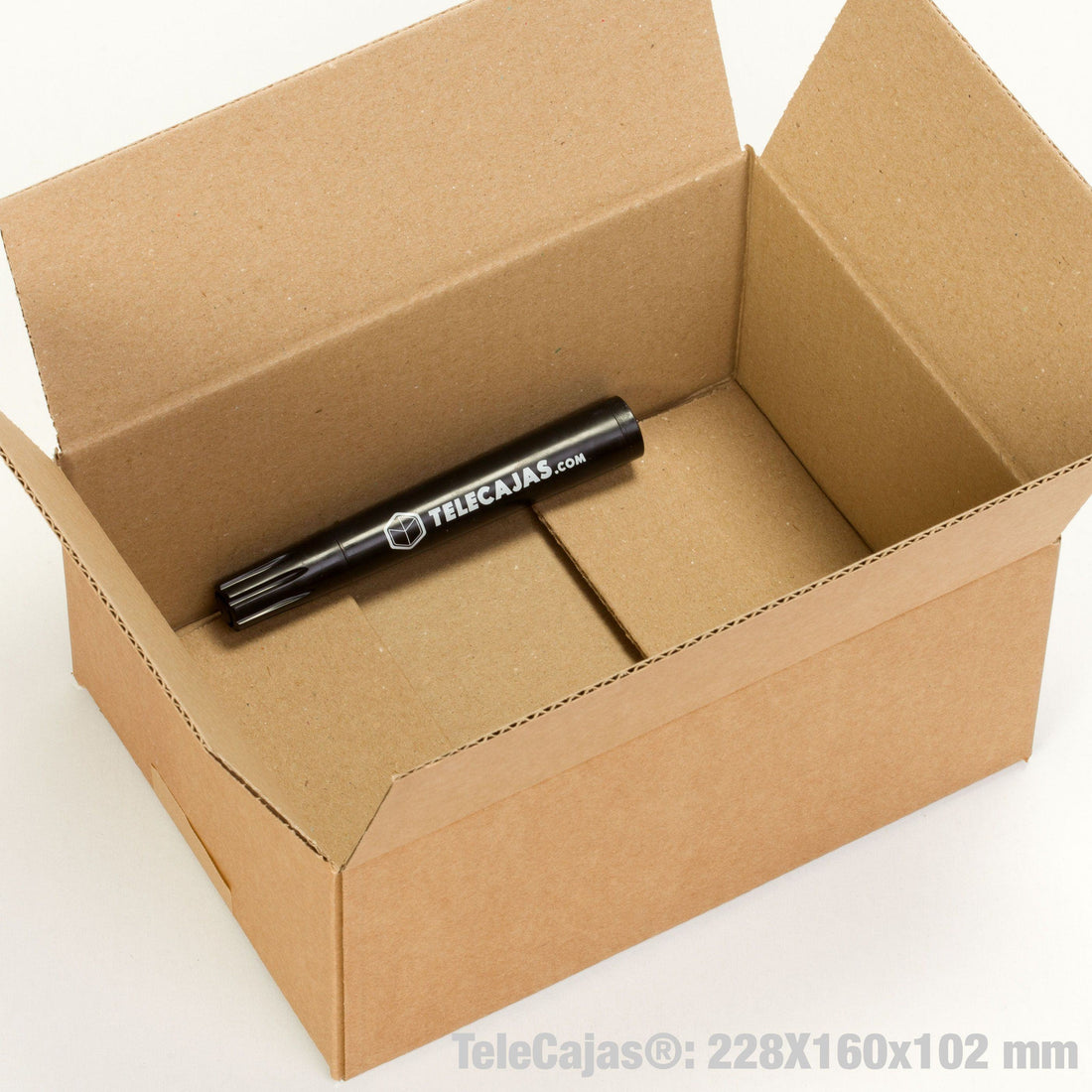
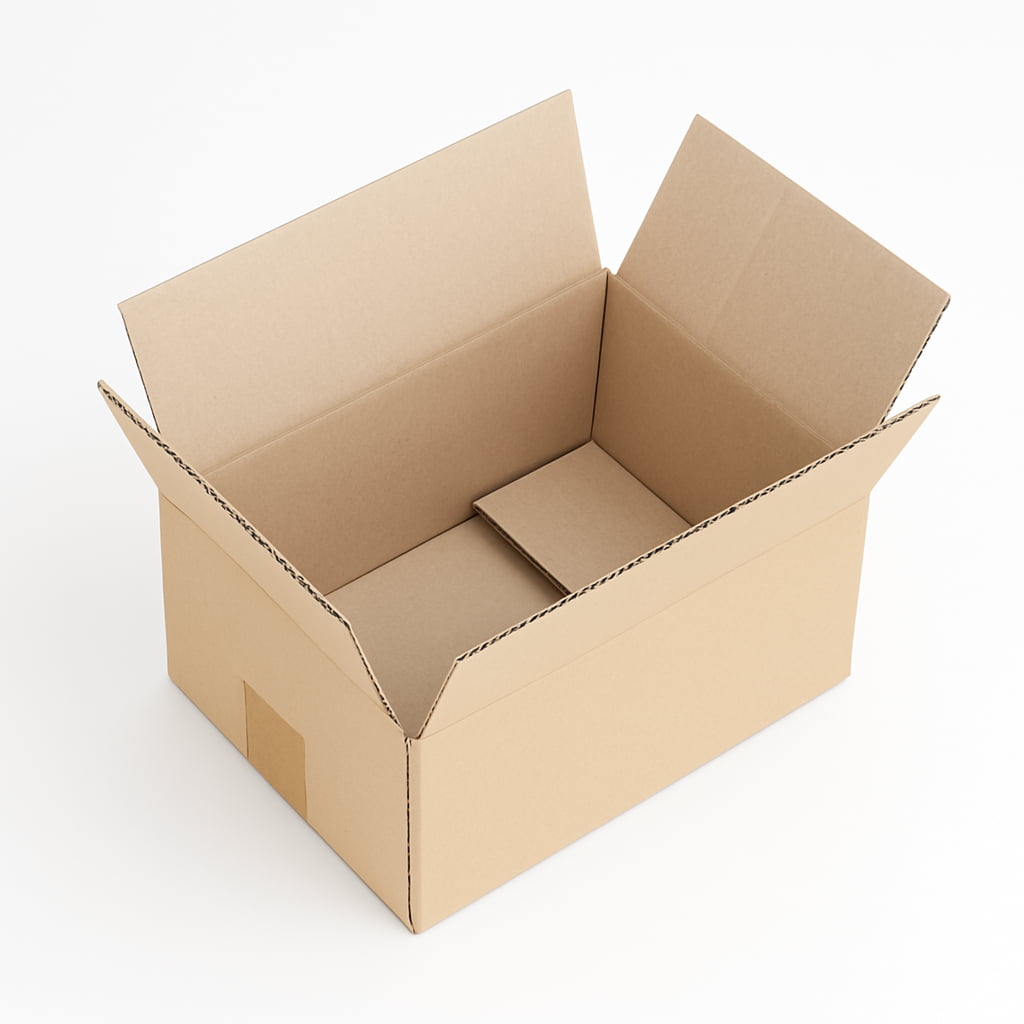
| Postal boxes | Agency shipments — standard SEUR, MRW, GLS sizes | Single wall if <8 kg, double wall if >8 kg |
| Void fill | Prevent product from moving inside the box | Crinkled kraft paper (eco) or shredded paper |
| Bubble wrap | Fragile products | Small bubble (10 mm) for delicate items |
| Tape | To close and seal | Transparent polypropylene or custom printed with logo |
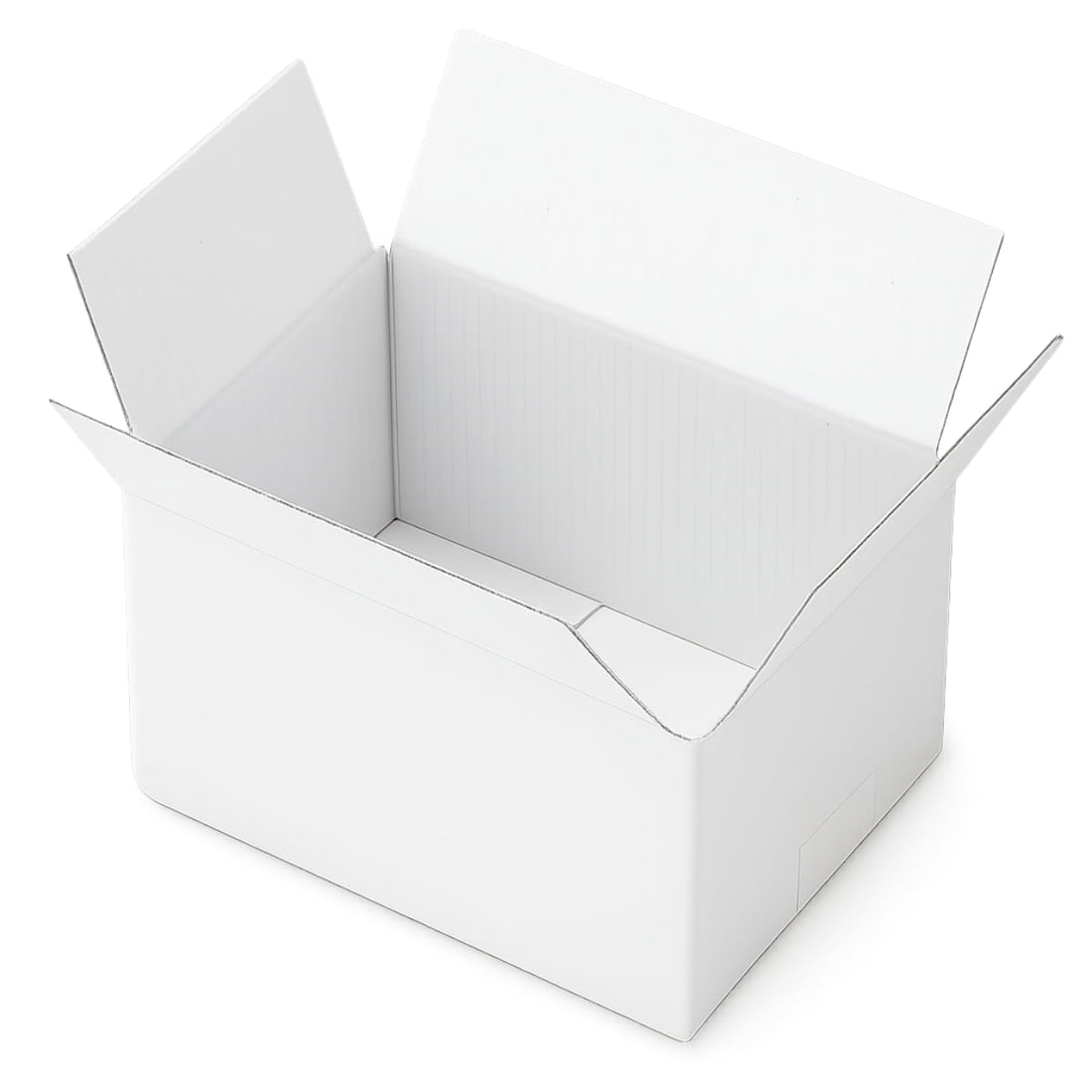
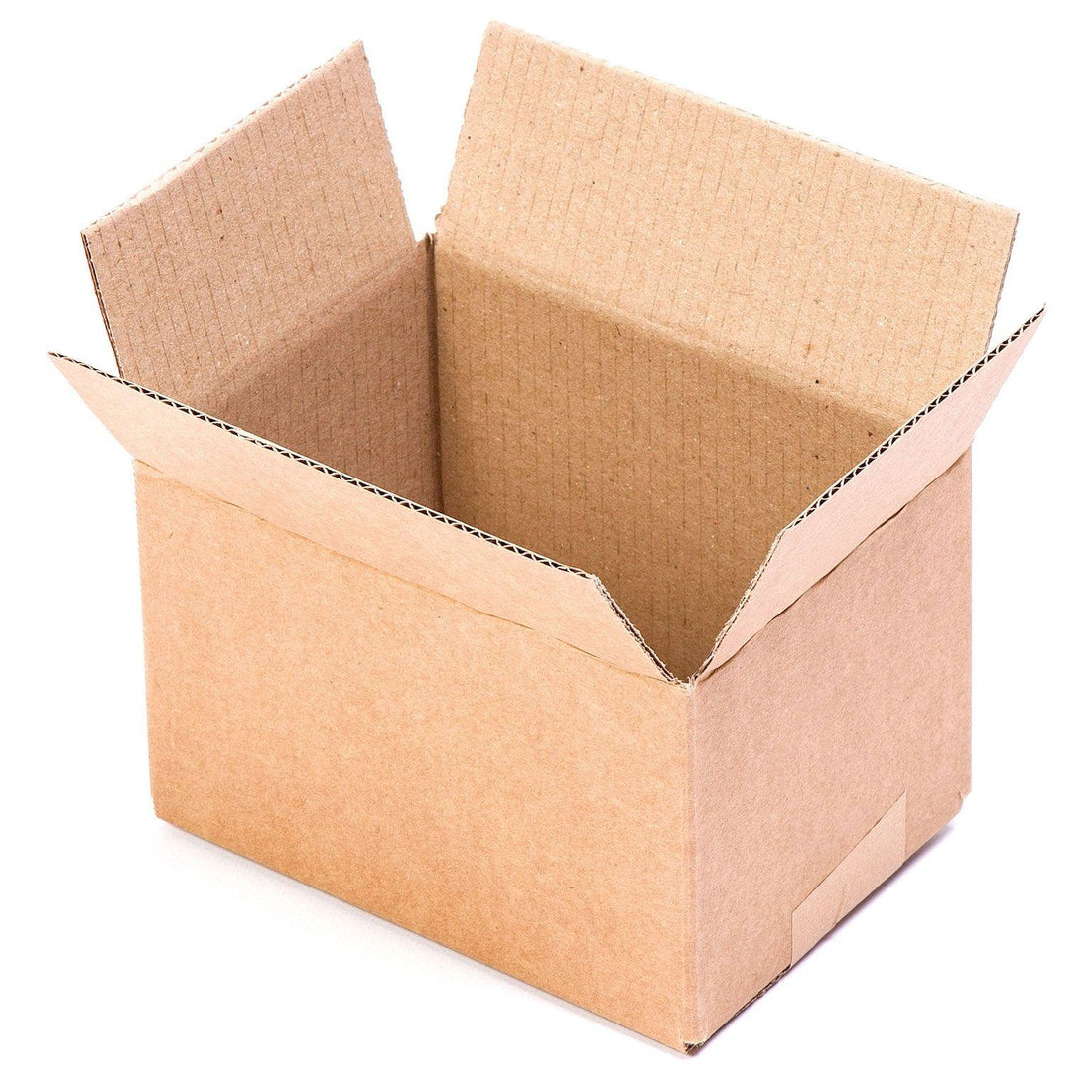
The self-assembling box is the queen of e-commerce in Spain. It assembles without tools, closes without tape, and the customer opens it easily. If you're looking to speed up your picking, it's the option that saves you the most time. Check out our full selection of self-assembling boxes and our guide to e-commerce shipping boxes.
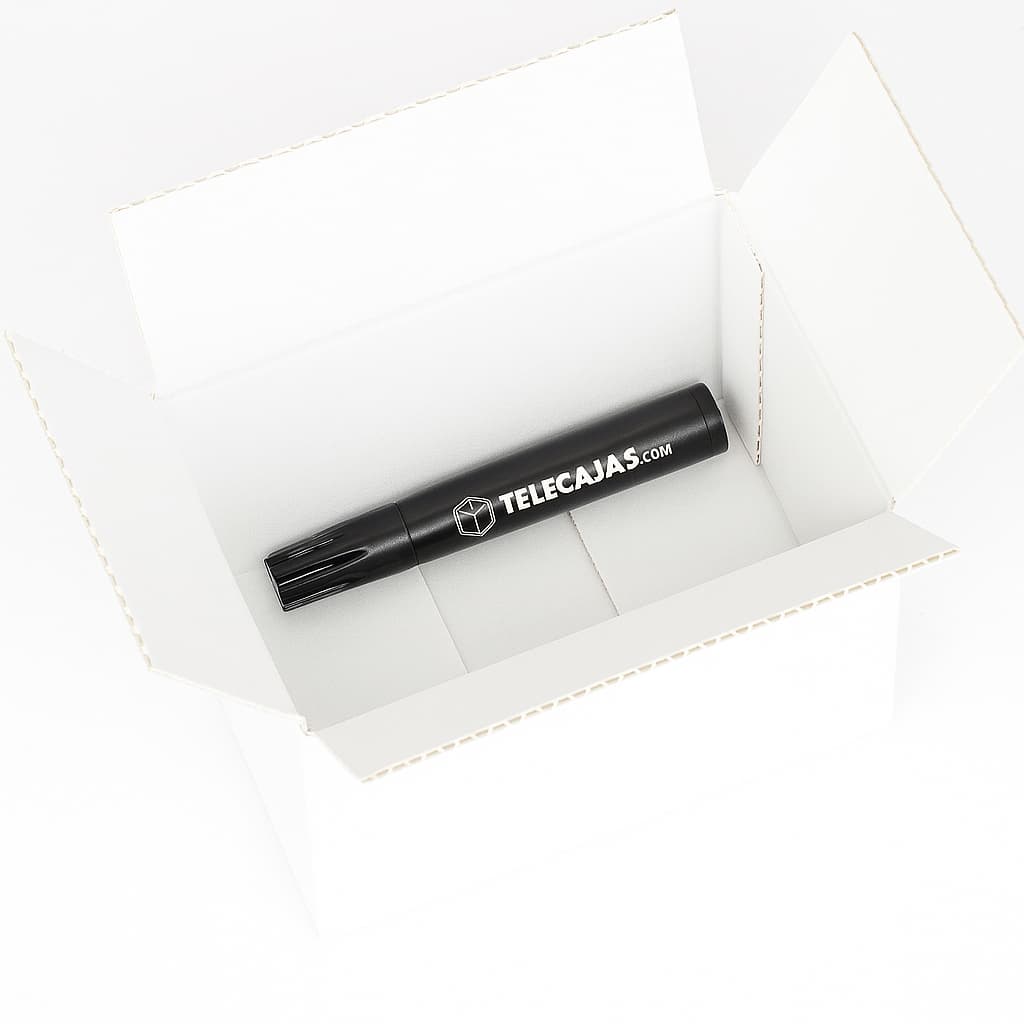
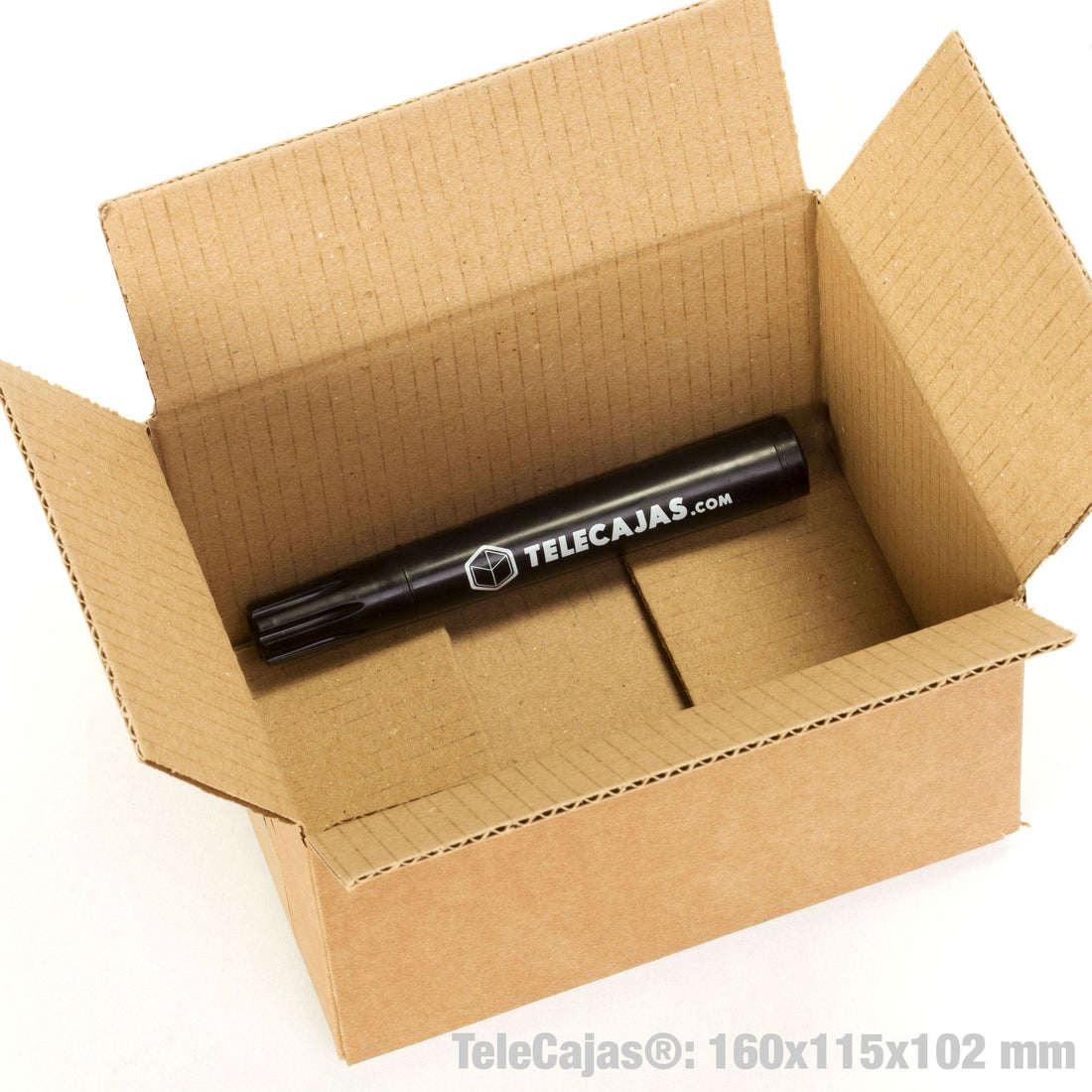
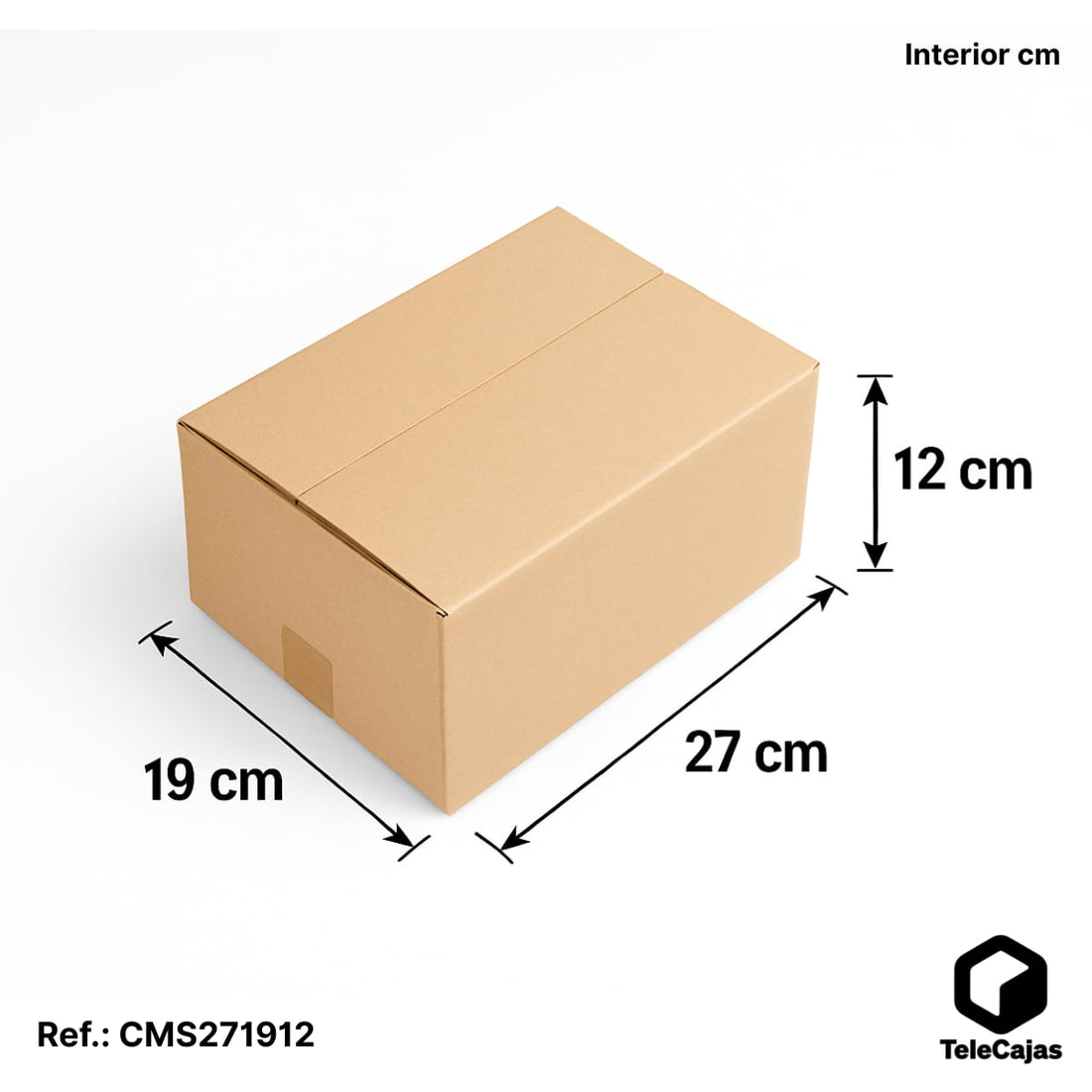
A very common mistake: using boxes that are too large. Every extra centimeter is volumetric weight you pay to the shipping agency. And it's extra void fill you need to buy. Choose a box that leaves just 2-3 cm of margin on each side.

Packaging for physical stores and retail
In retail, packaging serves two functions: protecting the product so it arrives at your store from the supplier in good condition, and presenting the product to the end customer. Depending on the type of store, you need different things.
Clothing and accessories stores
Paper bags or gift boxes for the point of sale. For receiving merchandise from the supplier: large flap boxes that can hold many garments, and tissue paper or thin foam to separate delicate items.
Electronics and technology stores
Here, protection is critical. Products arrive in their original packaging, but if you do home deliveries, you need bubble wrap, corner protectors for screens, and reinforced double-wall boxes for TVs and monitors.
Food and gourmet stores
Packaging that complies with food contact regulations. Virgin (non-recycled) cardboard boxes are suitable for direct contact with dry foods. For oils, wines, and liquid products: internal dividers and specific protection for bottles. For fresh or frozen products, you need thermal insulation — that's outside our catalog, but we do cover all external packaging.
Handicraft, ceramics, and fragile product stores
Each piece is unique and breakage is irreparable. The golden rule: wrap each piece individually with bubble wrap, separate with foam sheets, fill gaps with kraft paper, and use a double-wall box. We have a step-by-step guide for packaging fragile products.

Packaging for B2B businesses: volume, efficiency, and cost
When you move merchandise in quantity — between warehouses, to distributors, or directly to business customers — packaging needs to be quick to handle, resistant to stacking, and as cheap as possible per unit.
What a B2B warehouse needs
| Material | Function |
|---|---|
| Flap boxes (double wall) | Withstand stacking and heavy loads (up to 30 kg) |
| Stretch film | Palletizing — keeping the load together during transport |
| Corner protectors | Protect pallet edges and provide structural rigidity |
| Reinforced tape | Secure closure for heavy boxes — PVC or 75 mm polypropylene |
| Foam or bubble wrap | Internal protection if contents are shock-sensitive |
In B2B logistics, stretch film and corner protectors are as important as the box itself. A well-wrapped pallet with corner protectors travels stably, withstands more weight on top, and arrives without damage. The savings in breakages more than offset the cost of the material.
If you move more than 100 boxes per month of the same size, it makes sense to request a customized B2B quote. At TeleCajas, more than 80% of our customers are businesses — we work with factory prices, adapted invoicing, and direct attention.

Packaging for hospitality and delivery
The delivery boom has made packaging part of the service. A restaurant that sends its food in a container that leaks or arrives cold conveys carelessness, no matter how good the cooking is.
For food delivery, the main packaging (containers, trays, insulated bags) is specific to the food sector and not covered by us. But we do cover all support packaging: transport boxes to group orders, tape to close bags, and void fill material so that the containers do not move inside the bag or transport box.
For hospitality businesses that receive merchandise (crockery, glassware, equipment), protection during transport is key. Everything you need to receive fragile shipments without surprises can be found in our packaging materials section.
Sustainable packaging for business
European regulations are moving in a clear direction: less plastic, more recyclability, packaging traceability. The PPWR (Packaging and Packaging Waste Regulation) is already in force and affects any company that places packaging on the market.
The good news is that the most commonly used materials in cardboard packaging are already highly recyclable: cardboard boxes (blue bin), kraft paper (biodegradable), cardboard corner protectors (recyclable). Alternatives to bubble wrap and conventional film exist but are still more expensive. We have a complete guide on ecological and sustainable packaging with concrete alternatives for each material.
How much should your business spend on packaging?
There's no magic number, but there are useful benchmarks. In e-commerce, packaging costs typically represent between 1% and 3% of the average order value. If your average order is €50, you should spend between €0.50 and €1.50 on packaging per shipment.
The most effective ways to reduce this cost are: buying in bulk (discounts on boxes and materials start from 50 units), standardizing box sizes (fewer SKUs = less stock = less waste), and choosing just the right material (no more, no less than what you need).
At TeleCajas, prices start from €0.15 per box (VAT included), with no minimum order. Free shipping from €50. For large volumes, request a personalized quote.
Frequently asked questions about packaging for businesses
What packaging does an online store need?
An online store needs at least: self-assembling or postal boxes in 2-3 sizes, void fill material (kraft paper or shredded paper), tape, and bubble wrap if selling fragile products. The ideal is to standardize 2-3 box sizes that cover 90% of orders. TeleCajas has all of this with 24-hour shipping, no minimum order, and prices including VAT.
How much does packaging for businesses cost?
The average packaging cost per e-commerce shipment in Spain is €0.50 to €1.50, including box, void fill, and tape. Prices drop significantly when buying in bulk — at TeleCajas, discounts start from 50 units. For B2B businesses with recurring orders, personalized factory prices are available.
What packaging is mandatory for shipping food?
For direct contact with dry foods, virgin (non-recycled) cardboard is required that complies with food contact regulations (EC Regulation 1935/2004). Food should not directly touch recycled cardboard. For liquids and fresh products, specific containers are needed. External transport packaging (boxes, void fill, tape) can be standard.
How can I reduce my business's packaging costs?
Three main ways: standardize box sizes (less variety = larger purchases of each size = better unit price), buy in bulk (discounts at TeleCajas go up to 25%), and adjust the box size to the product (every extra centimeter is volumetric weight you pay in shipping).
Can I customize packaging with my company logo?
Yes. TeleCajas manufactures customized boxes with logo printing from 200 units, and custom adhesive tape from 36 rolls. It's the most economical way to brand every shipment. Lead time: 7-15 business days. Request a no-obligation quote.
What is the best packaging for shipping fragile products?
The safest combination is: bubble wrap around each item, foam sheets between items, crinkled kraft paper filling gaps, corner protectors on exposed corners, and a double-wall box. At TeleCajas, you'll find all these materials with 24-hour shipping. Consult the guide for packaging fragile products with step-by-step instructions.
Does TeleCajas work with companies and offer B2B pricing?
Yes. More than 80% of TeleCajas's customers are businesses. They offer personalized prices for recurring or bulk orders, adapted invoicing (bank transfer, direct debit), and direct attention by phone and email. They ship throughout mainland Spain and Portugal in 24-48 hours.